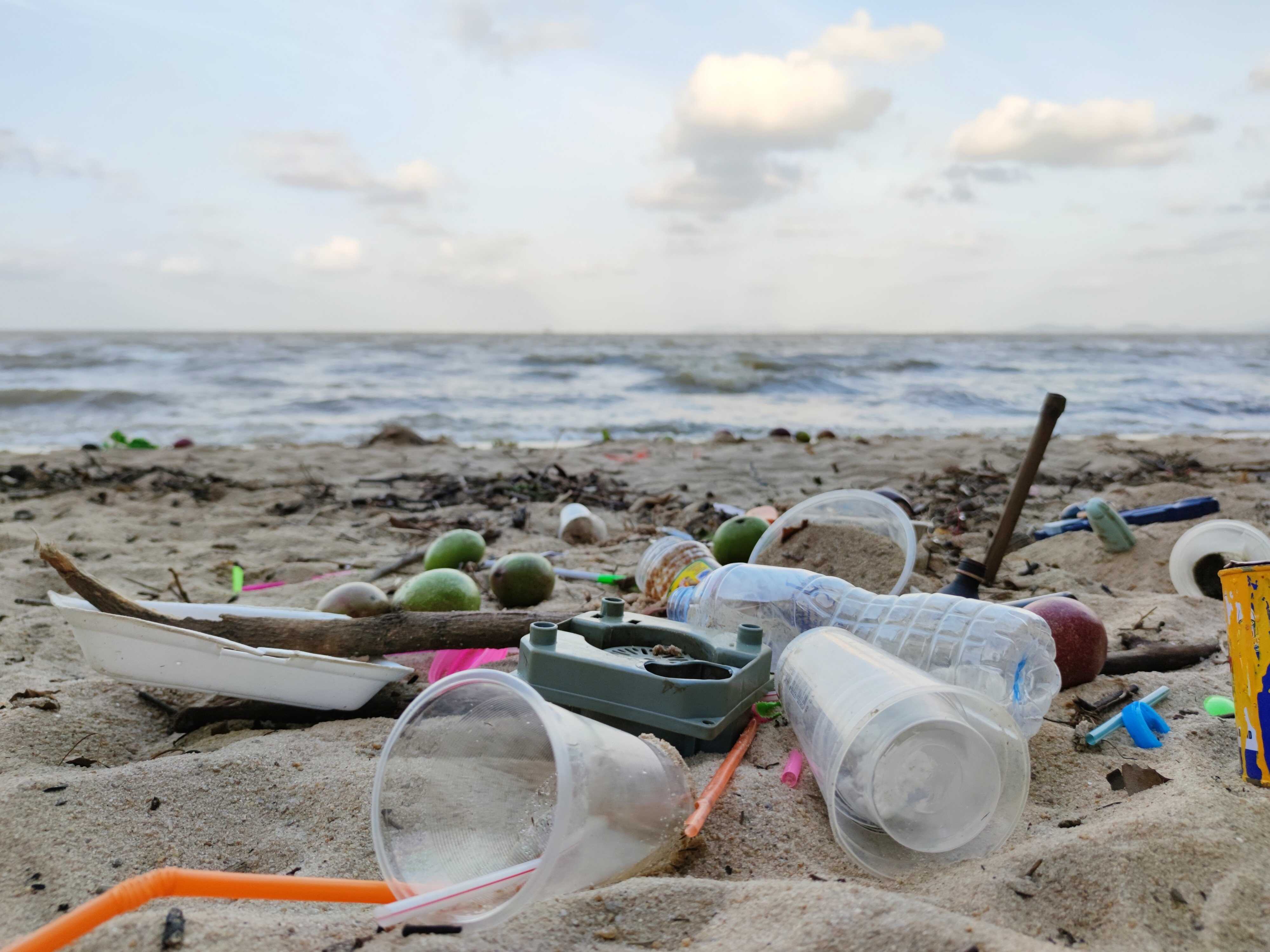
Single-use plastics are everywhere: grocery bags, drink bottles, food packaging, and more. These are disposable items that we only use once before tossing them in the bin.
But what’s so bad about single-use plastic?
Plastic is not a biodegradable material. This means bacteria cannot break it down, and it can continue hurting the environment for a long time.
Our trash goes to landfills, but wind, rain and floods can carry it into oceans and rivers. There, animals such as turtles eat plastic bags because they think these look like jellyfish, but it can cause them to choke.
Every year, more than 8 million tonnes of plastic waste are dumped into the ocean, and about 100,000 marine animals, including turtles, die from accidentally eating plastic.
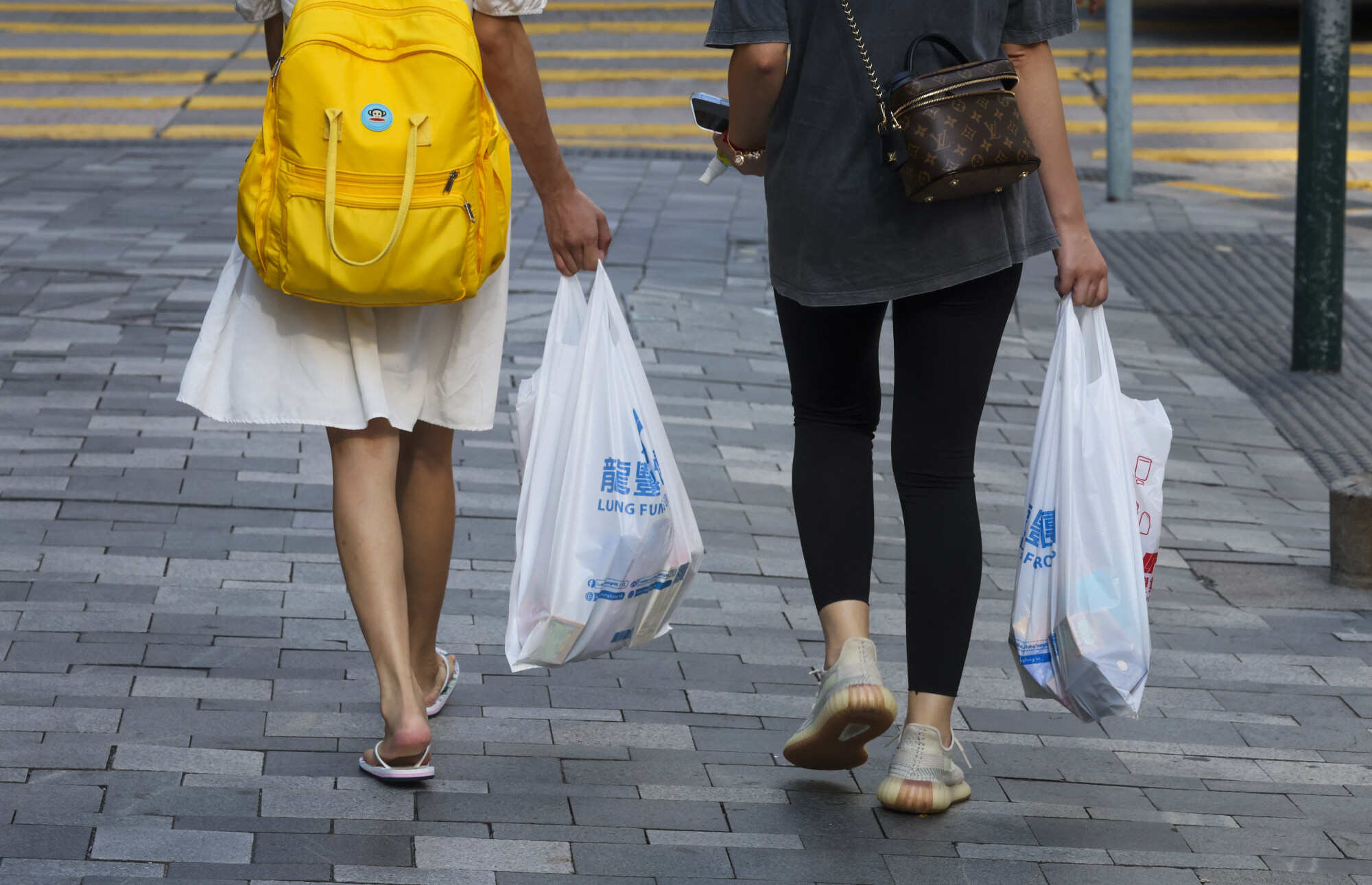
Even after plastics start to break down, they create smaller bits, called microplastics. They are tiny – less than 5mm in diameter – but they are still harmful. They have been detected in our food and water.
Microplastics can cause allergies and damage to human cells, though scientists are still doing more research to understand how they affect our health in the long term. In birds, microplastics could disturb the chemicals that carry messages to the rest of the body. In fish, these particles put stress on their livers.
The factories that produce plastic also worsen climate change as they release carbon dioxide and other greenhouse gases into the atmosphere.
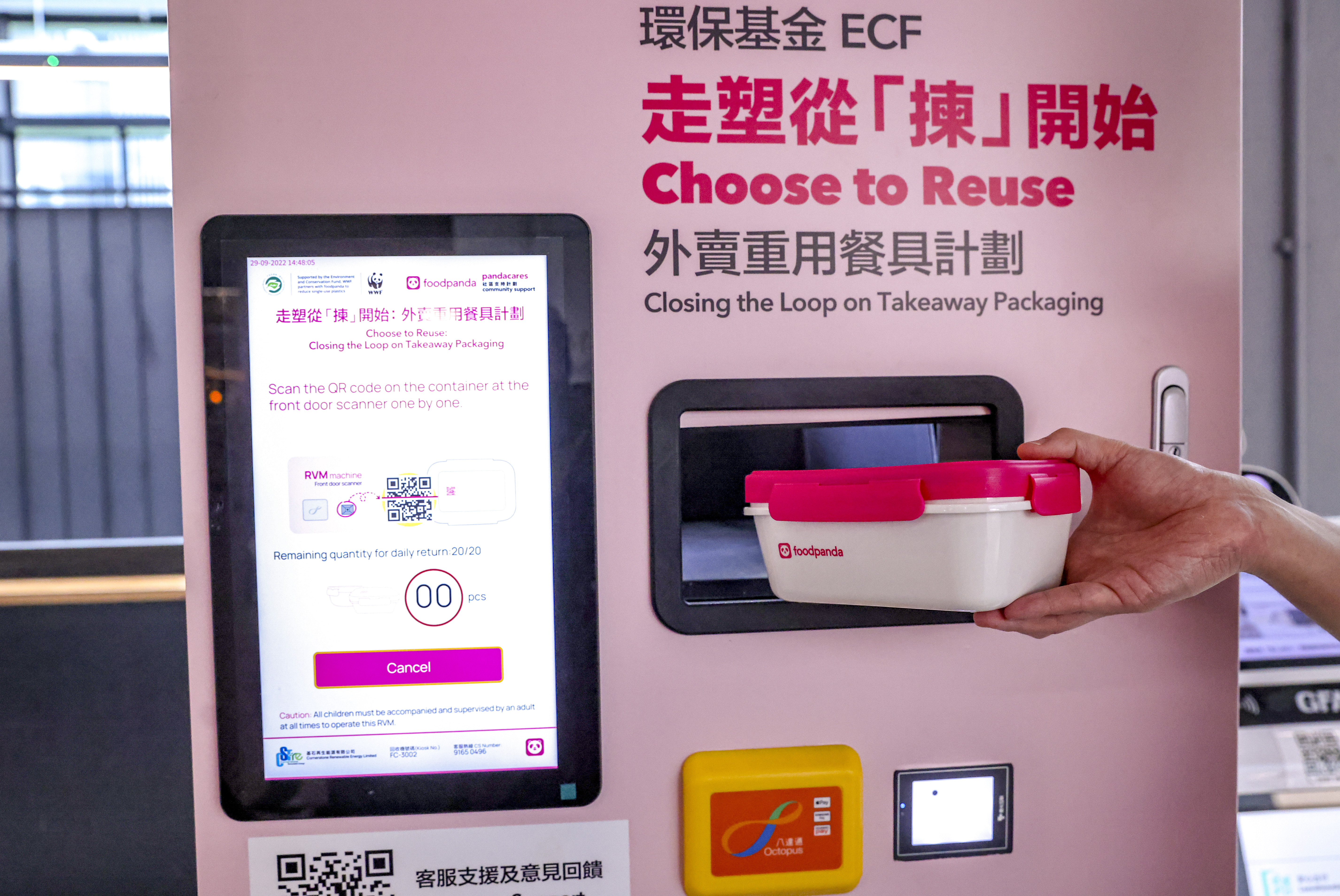
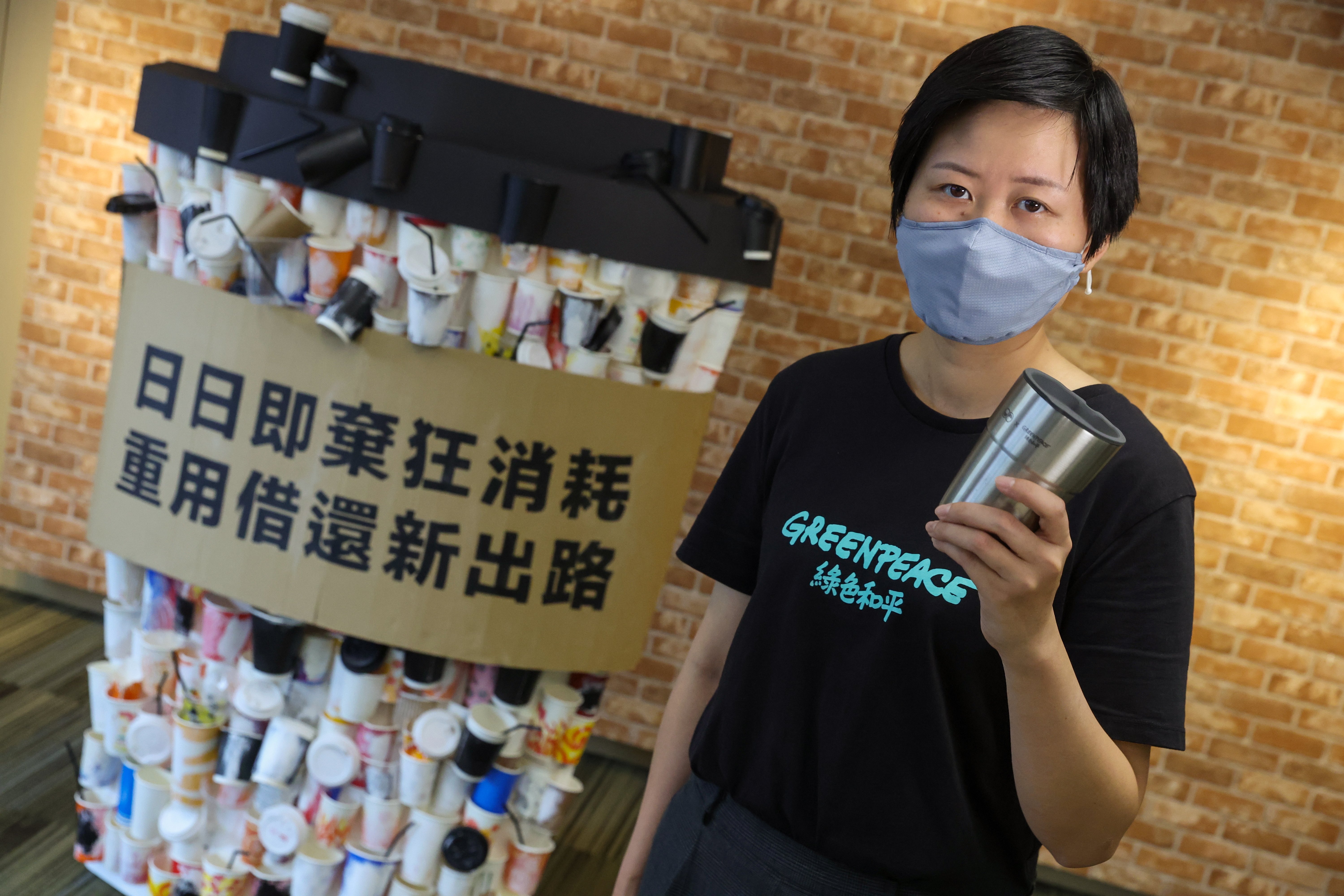
So what can you do? Start by looking at the single-use plastic you use and replacing them with reusable items. For example, try bringing reusable cutlery, cups, containers and tote bags the next time you shop or get takeaway.
Sample answers
Quick question: Microplastics can cause allergies and damage human cells. They can have harmful effects on our health.
Think about it: Plastic can be carried by the wind, rain and floods into oceans and rivers.
Consider: The government can implement more measures to reduce the use of single-use plastics by providing a service that helps people wash their reusable cutlery, cups, and containers when getting takeaway.