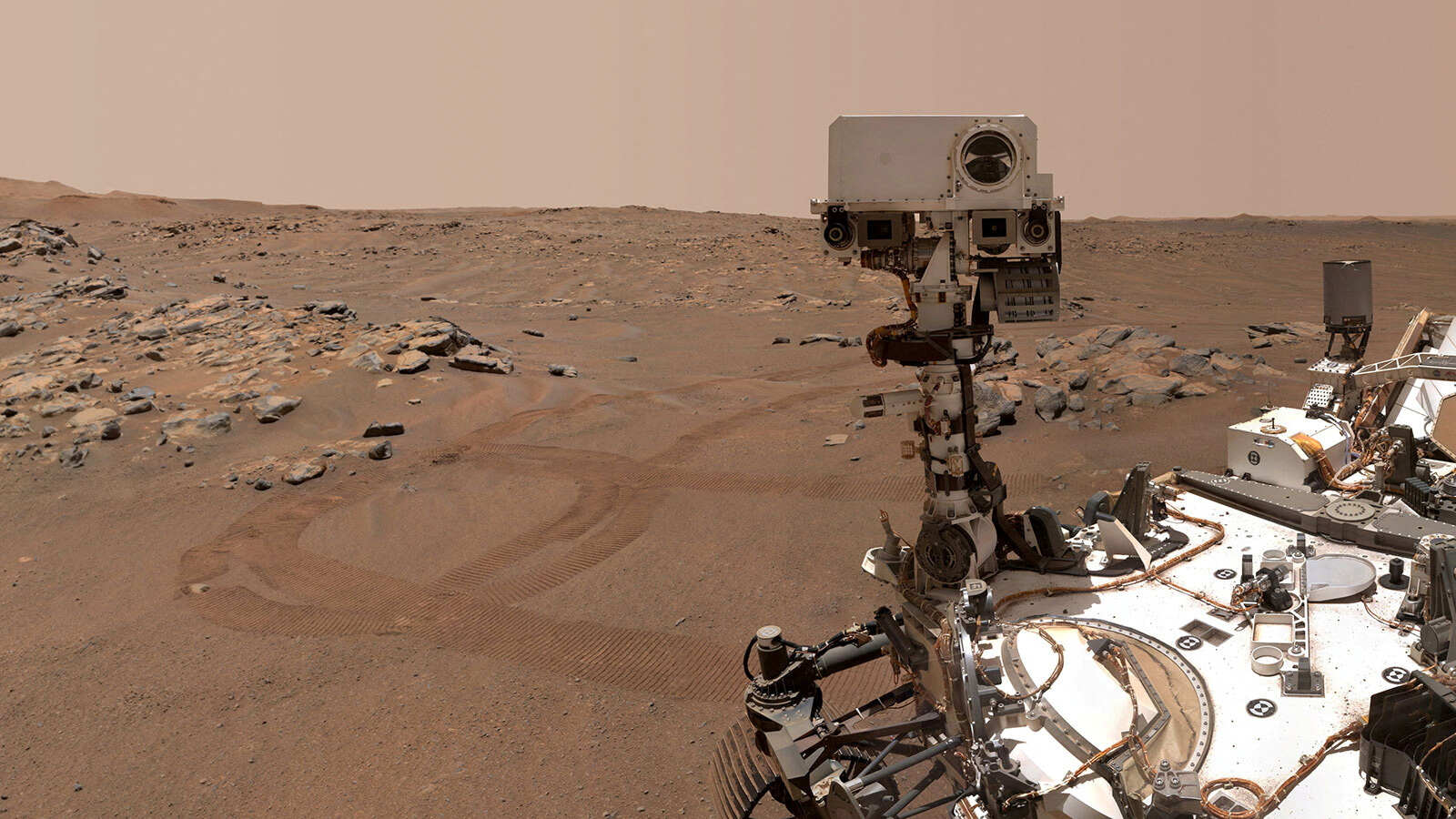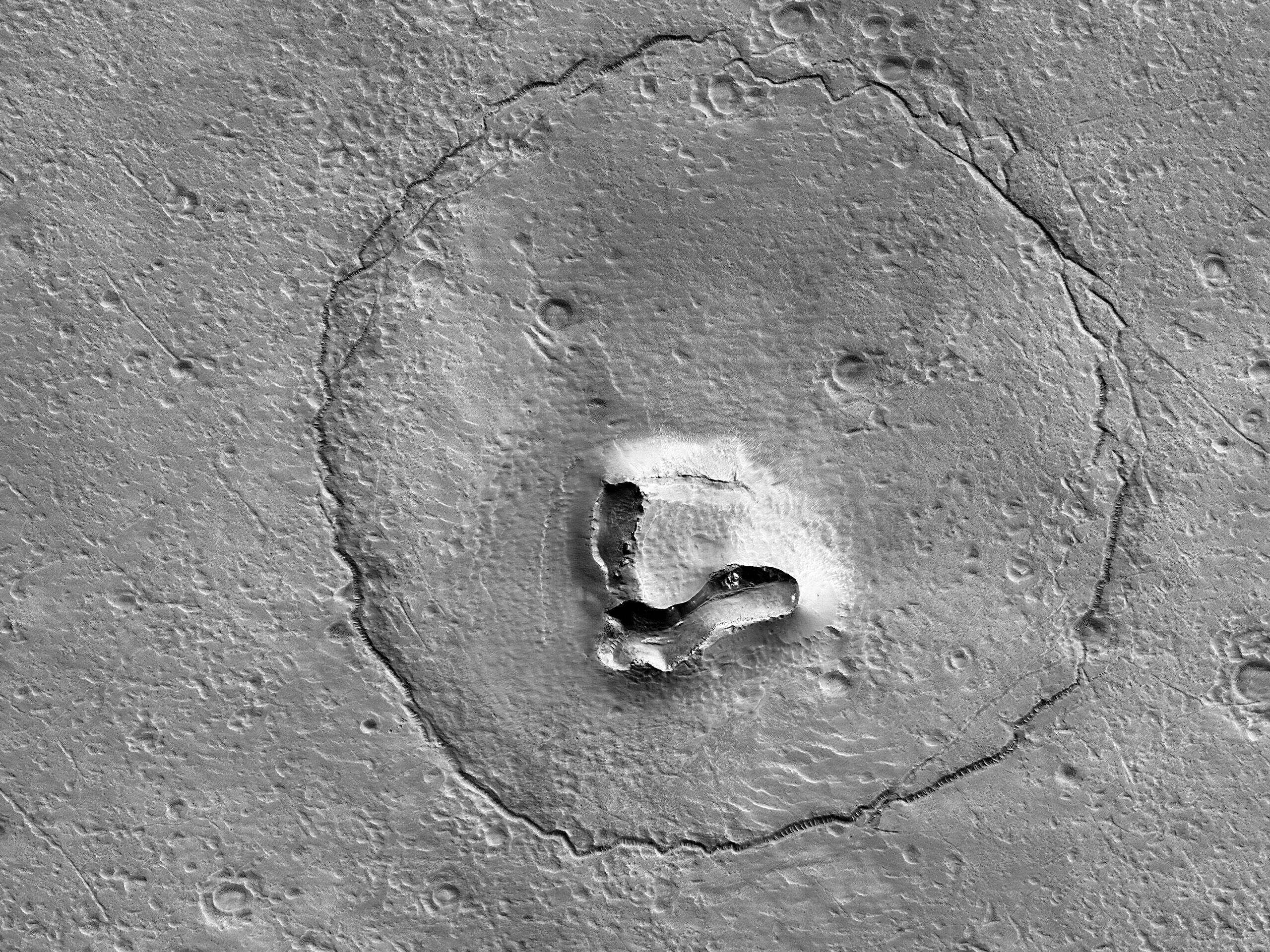
In our solar system, Earth is the only planet we know of where humans can live. But what if there was life on other planets in the past?
Mars is the closest planet that could possibly support life. Irena Hui, an assistant curator at the Hong Kong Space Museum, tells Posties all about Mars and what scientists are learning about this planet.
What conditions are like on Mars
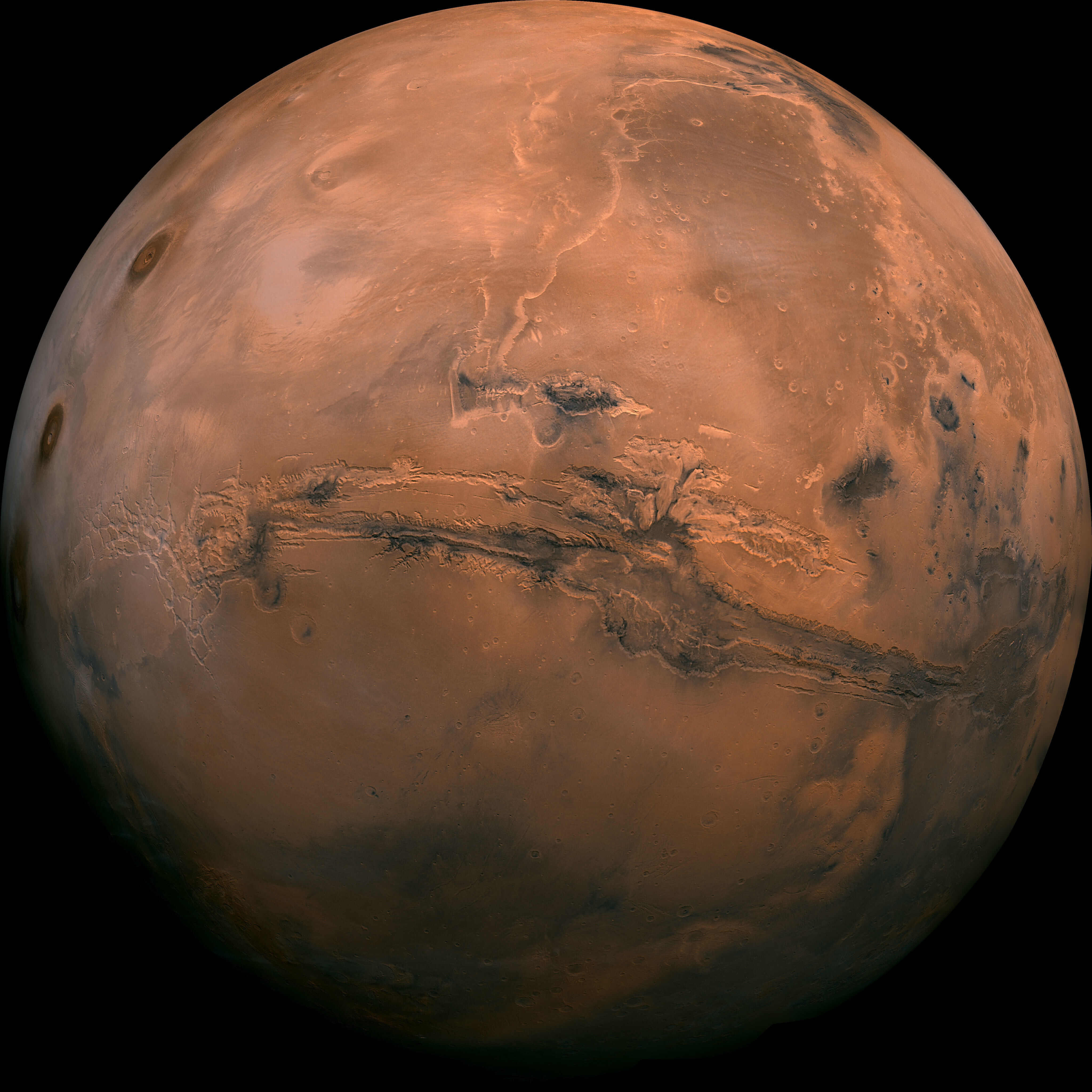
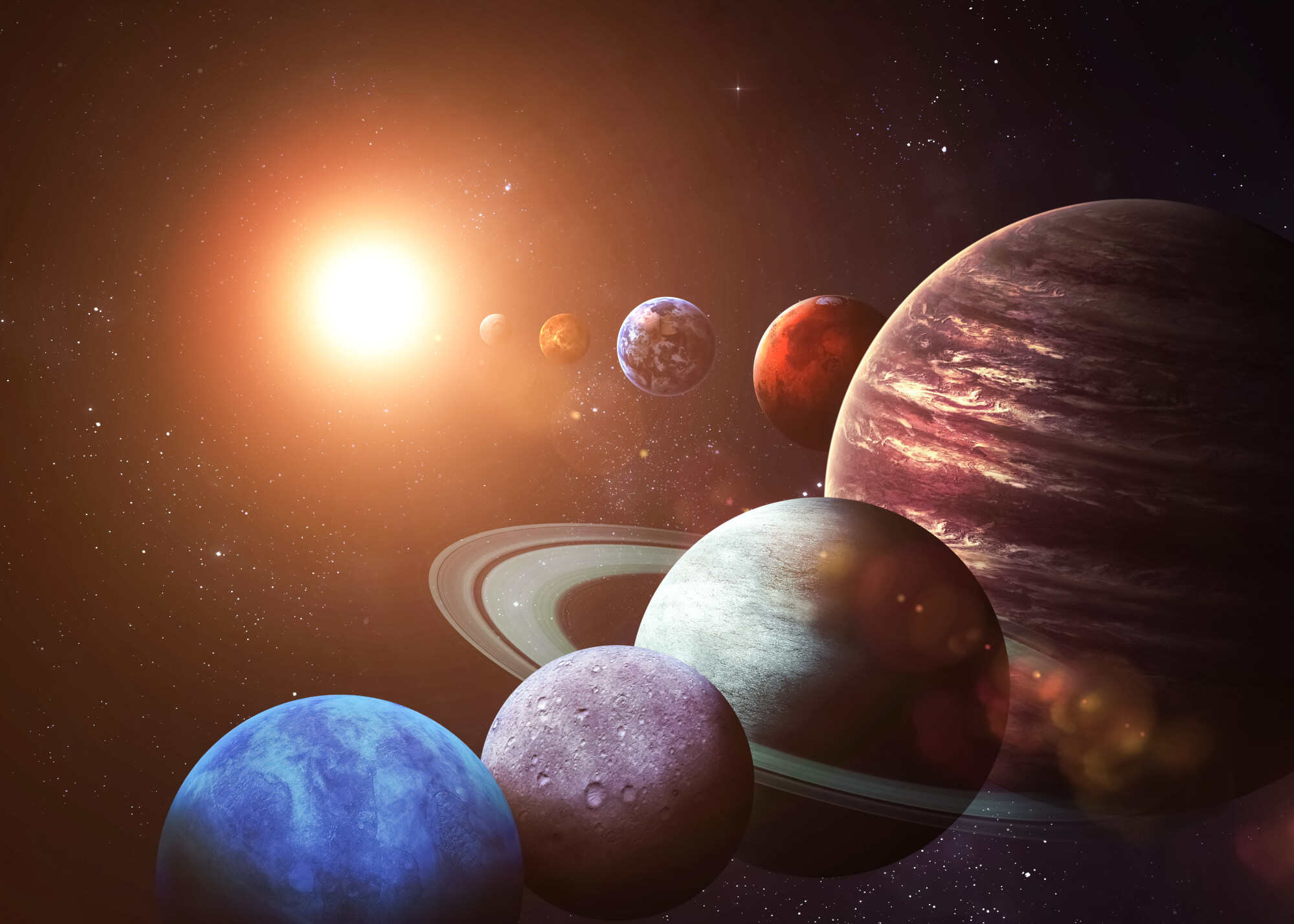
Mars is the fourth planet from the sun, right after Earth. It is about half the diameter of Earth.
“Mars is also called the Red Planet because its rocks are rich in iron. The rocks break down into sand and turn red due to dryness and rusting,” Hui said.
It is also very cold on this planet. The highest temperature during the day is about 20 degrees Celsius, but it can drop to minus 100 degrees at night. While Mars doesn’t seem like a comfortable place to live now, Hui explained: “There is evidence that Mars was once different. It may have had water and a thicker and warmer atmosphere, suggesting there was life in the past.”
Living on Mars
Scientists hope to land the first humans on the planet during the 2030s. But those astronauts will need to bring water with them, and they must wear special clothes and build shelters to protect them from radiation, cold weather and strong winds.
“The wind on Mars can create dust storms that cover the entire planet for months,” Hui said. Mars also does not have an ozone layer like Earth does to protect humans from the sun’s harmful ultraviolet light.
“If we can solve all these problems, we will be able to step on a new planet. We will also have another planet to live in if something happens to Earth.”
Find the words in the puzzle below to test your understanding of the vocabulary in this story.
Suggested answers
-
Before you read: Jupiter, Venus, Mercury, Uranus, Neptune, Saturn (any three)
-
Stop and think: To land on Mars, humans must bring water with them because Mars doesn’t have water. They must also bring clothes that can protect them from radiation and cold, as well as materials to build shelter.
-
Consider: We might need another planet to live in if climate change makes Earth too hot for humans to stay. (accept other reasonable answers)