Difficulty: Challenger (Level 2)
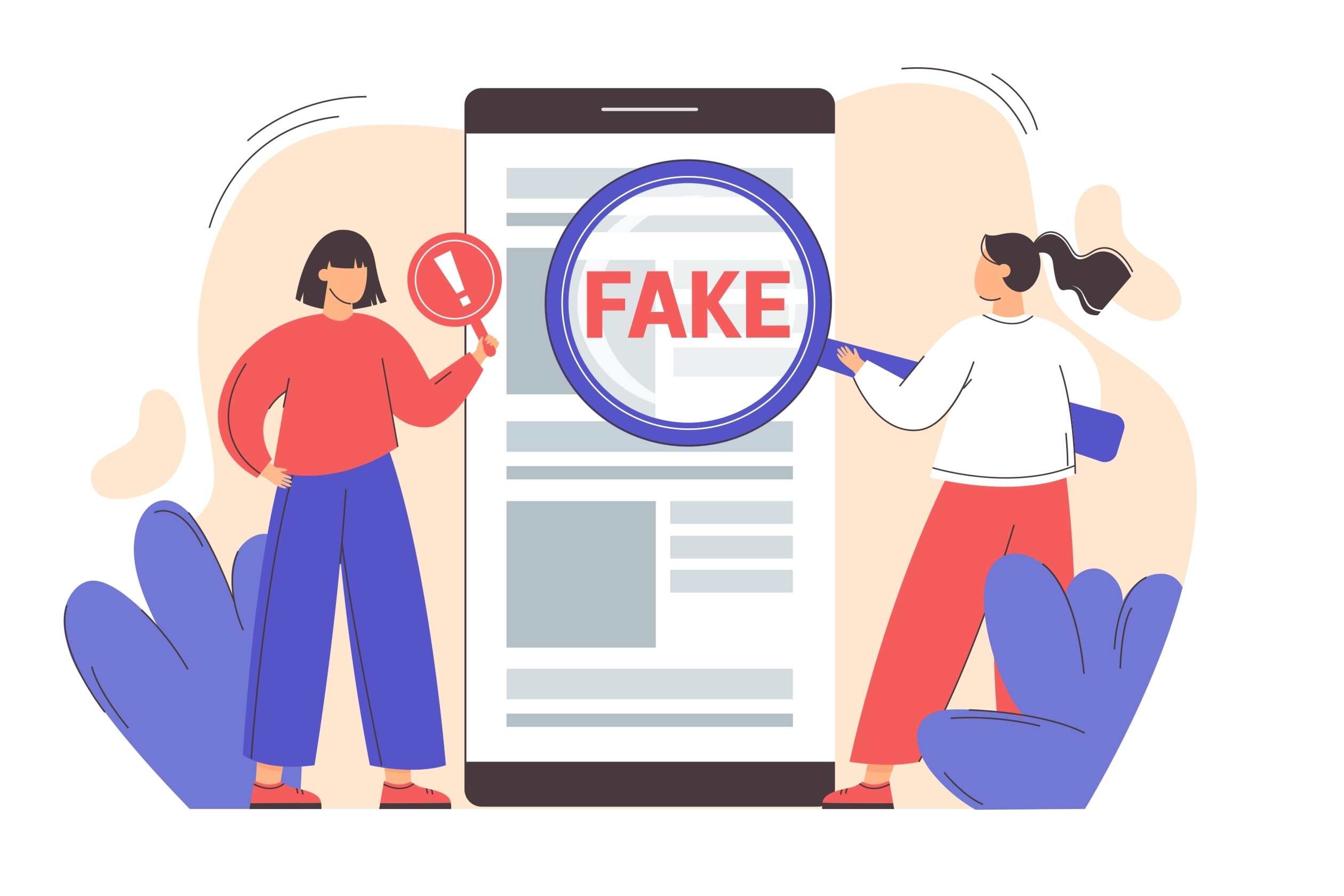
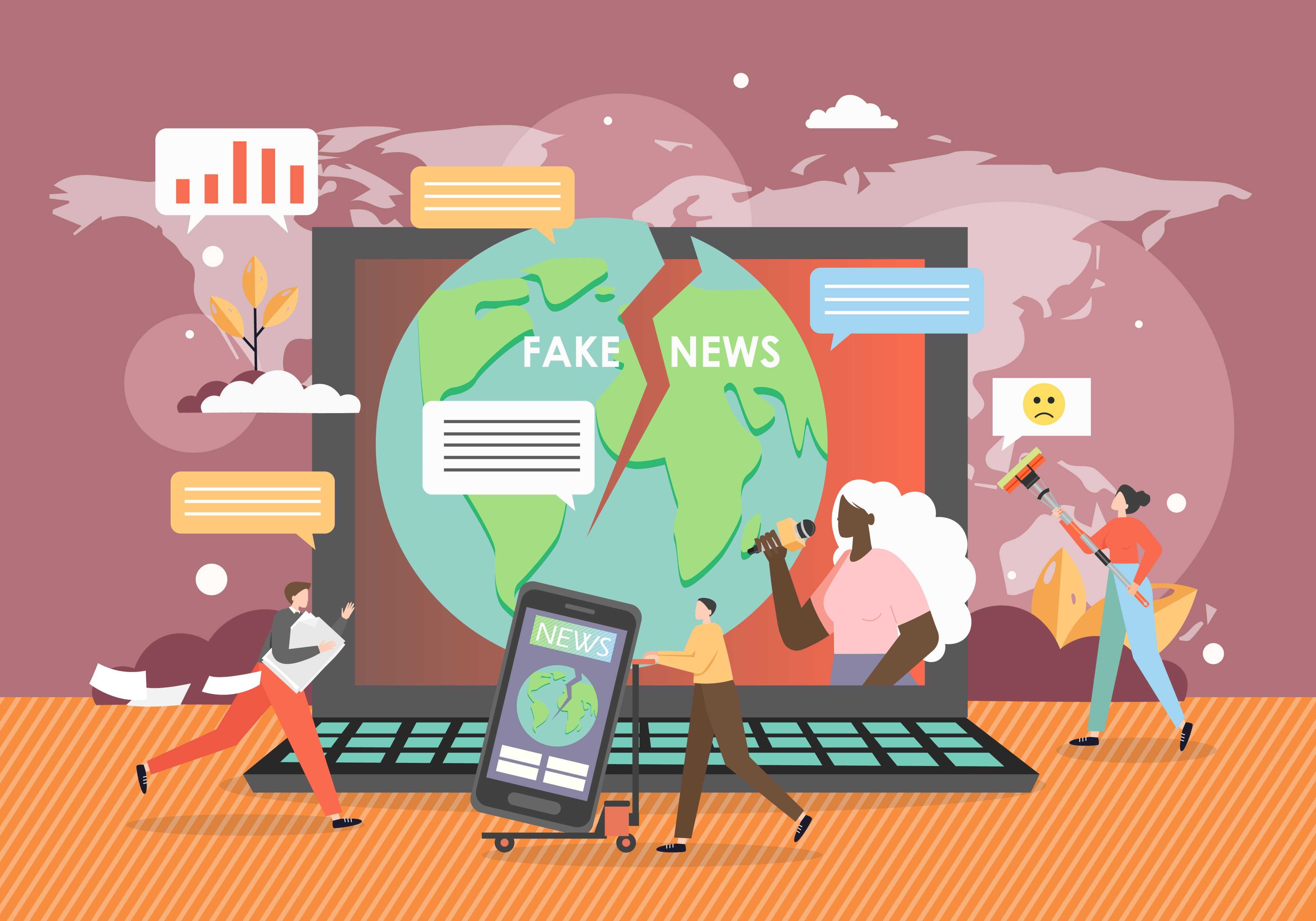
Social media is a popular way to get news. News outlets use social media to share information and get readers’ feedback. However, we must be careful of what we see online.
The fast-paced nature of the internet means people always want more content. This forces journalists to work more quickly, which can cause them to make mistakes from not fact-checking properly.
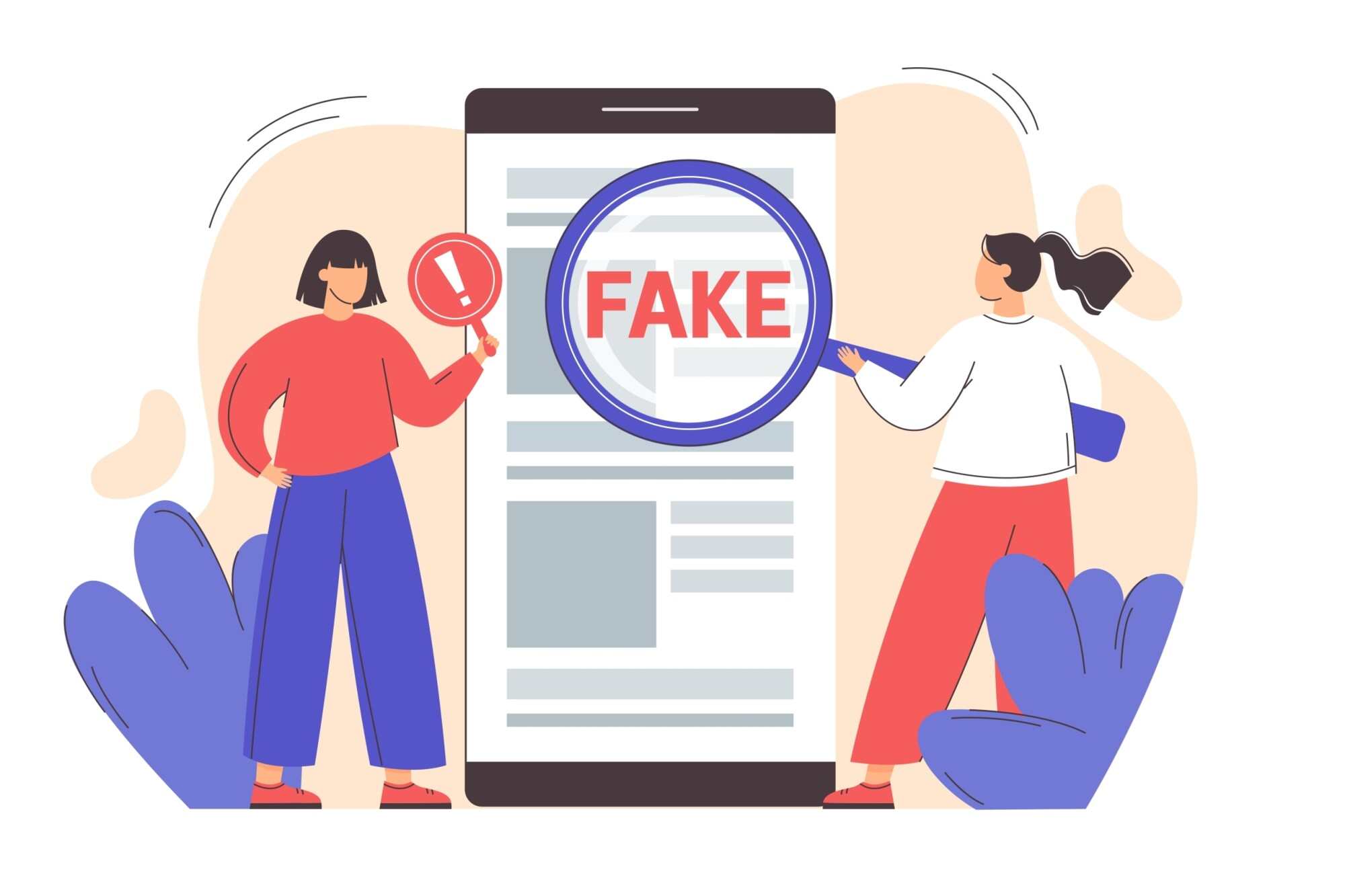
For example, a claim was made on TikTok in August 2022 about Disney World in the US state of Florida. It said the company was lobbying to lower the legal age to drink alcohol from 21 to 18. The video also said the news came from a trustworthy source. However, it was from The Mouse Trap blog, a website with fake stories about Disney parks.
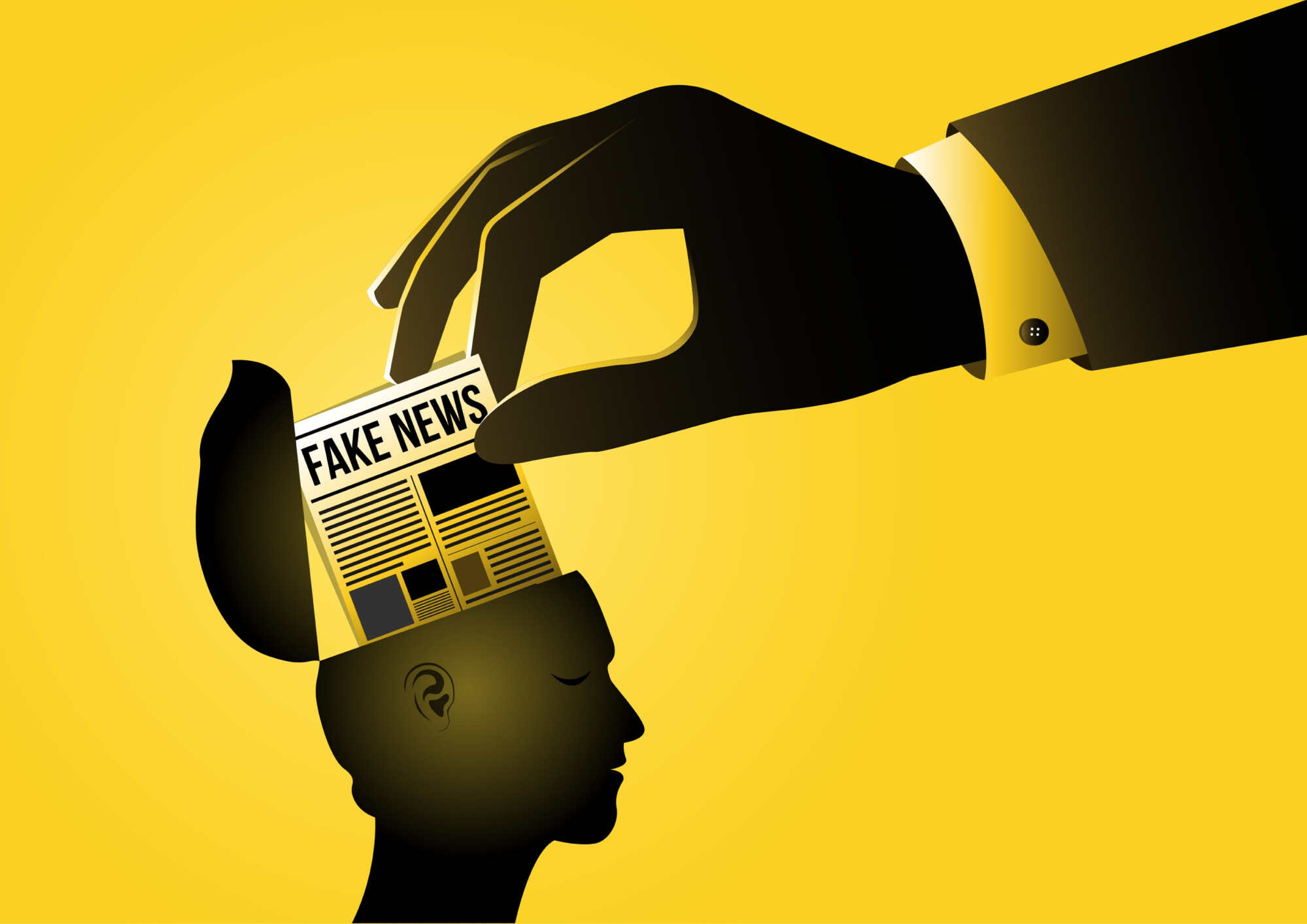
Social media can be used to spread hate and misinformation. This can have real-life consequences. One example is the Rohingya crisis. In 2017, the Myanmar military attacked Rohingya villages, killing people and burning their homes.
Facebook was accused of failing to remove hate speech and misinformation about the Rohingya from its site. People had posted fake claims, such as that the Rohingya were not real citizens of Myanmar. This made people hurt them.
Social media can be bad, but it can also be used to share news and do research. A study done by the Pew Research Centre found that 94 per cent of journalists in the United States use at least one form of social media in their work. Meanwhile, 79 per cent of them find it helpful for research.
Overall, social media can be a good way to get news, but you have to be careful. Not everything you see is true, and you should only follow people and pages you trust.
Use the crossword below to test your knowledge of the vocabulary words in the story.
Suggested answers
Quick question: News stories on social media are usually image-driven and look like posts with little text and more images or videos.
Think about it: I totally agree that news should be shared on social media because it could be a reliable news source if journalists fact-check properly and provide accurate information for the public.