Difficulty: Summiteer (Level 3)
Two months after a Taiwanese acacia tree fell during a rainstorm, it was split into logs. After they dry, the logs can be used to make art.
Students at the Chinese University of Hong Kong (CUHK) are creating sculptures from fallen trees. One student created a deer symbolising nature’s beauty; another made a snail representing the burden of family.
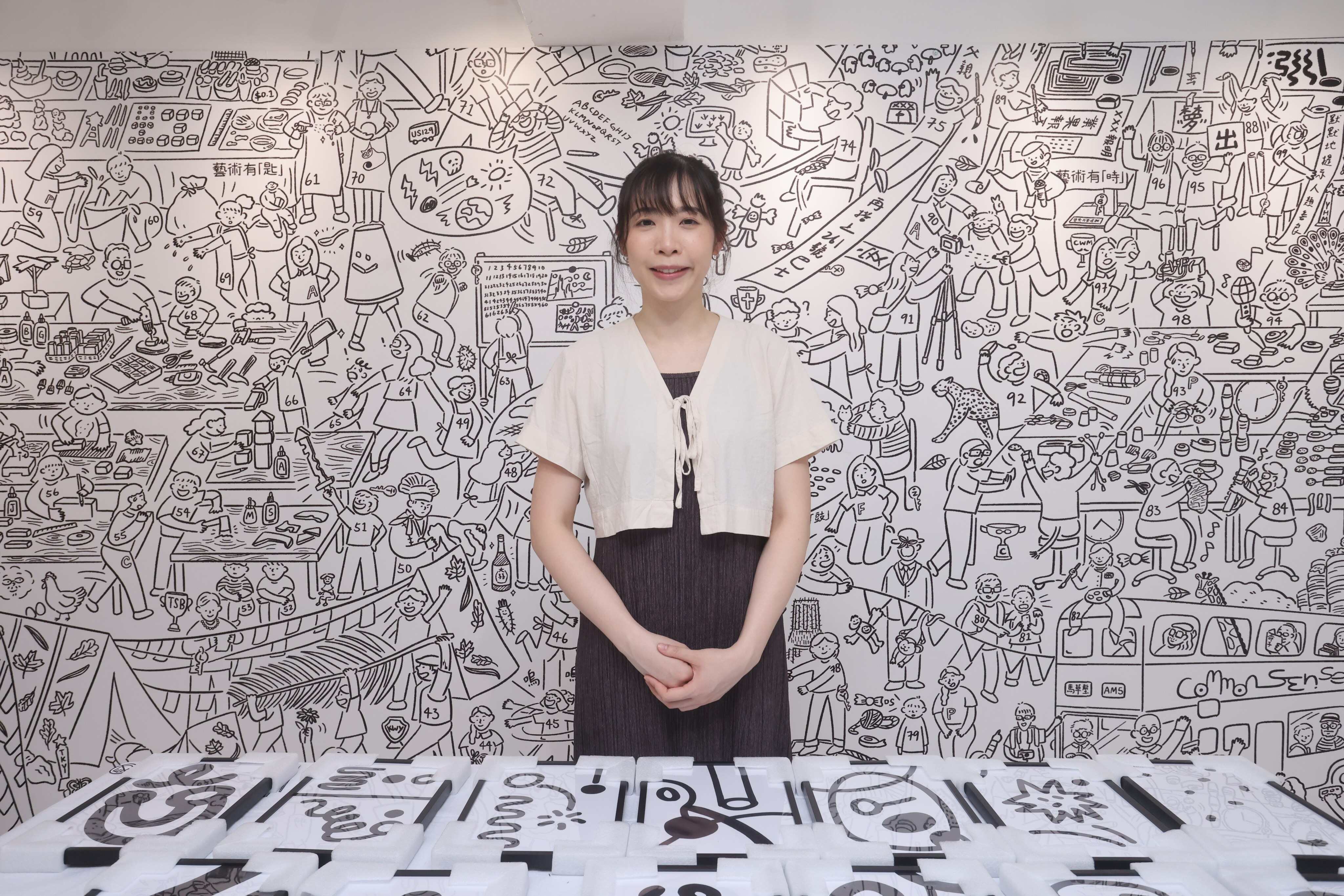
Teaching the sculpture class is Margaret Chu Cheuk-wai, a part-time lecturer at CUHK’s department of fine arts. Her goal is to inspire students to upcycle discarded materials and show that one person’s trash is another’s treasure.
“Even rugged pieces of wood can be transformed into great artworks with your creativity,” she said.
Why should we upcycle fallen trees?
Facing more extreme weather as a result of climate change, Hong Kong recorded three times more fallen trees last year than in 2022. Last year, the government removed 7,200 trees following Super Typhoon Saola.
CUHK’s waste wood comes from trees on its campus, as well as the local art community and Y Park, a yard waste recycling facility in Tuen Mun.
Most of these logs are from acacia trees, according to technician Henry Chang Yue-lam, who has been collecting waste wood for two years.
“Compared to materials like metal and cement, wood is organic and warm,” Chang said.
The wood used for sculptures needs at least a year to dry. Chang applies paint and wax to seal in moisture and prevent cracking as the wood dries.
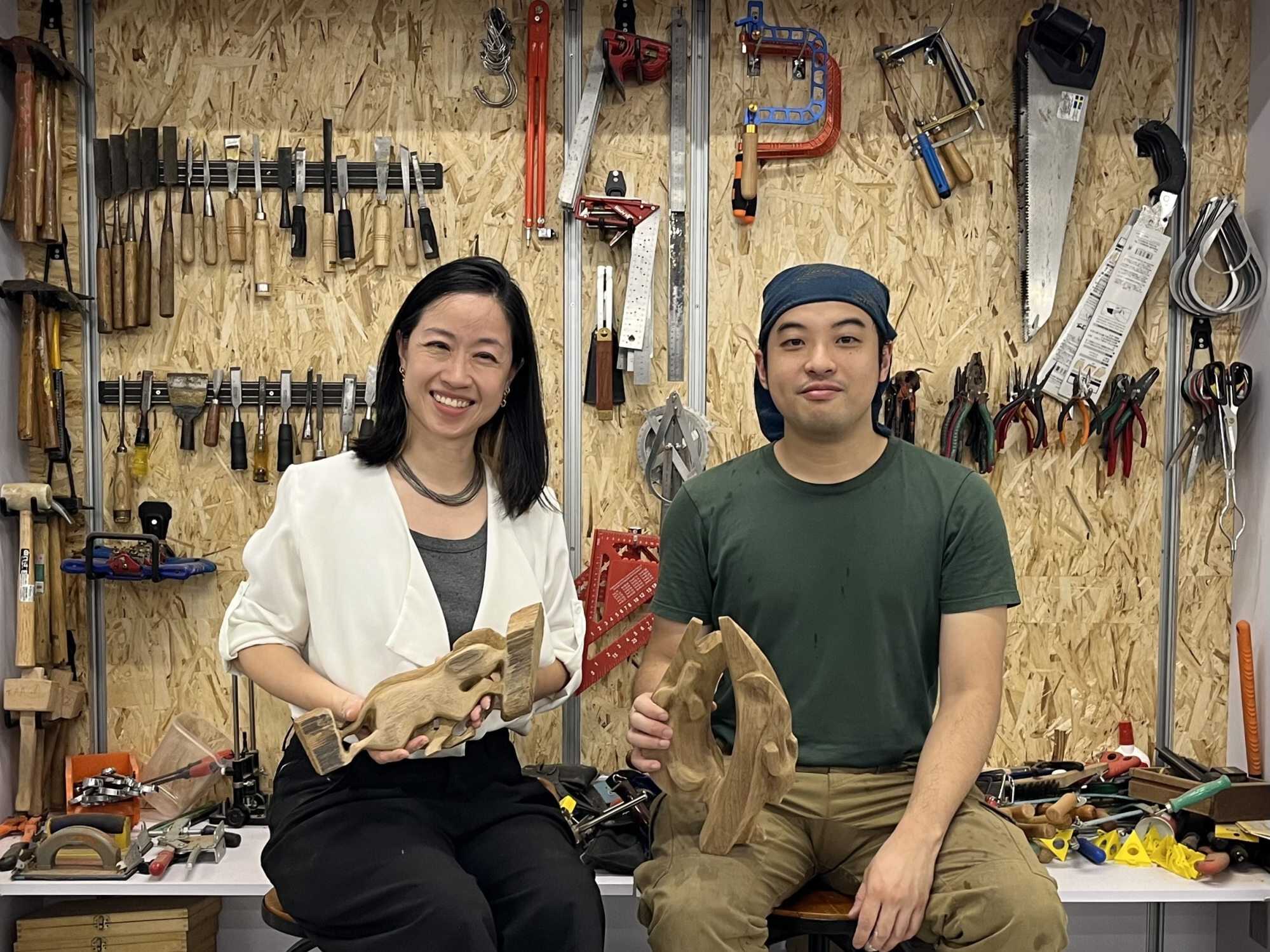
An exhibition of wood’s potential
This year’s CUHK annual graduation exhibition featured artwork using this upcycled wood.
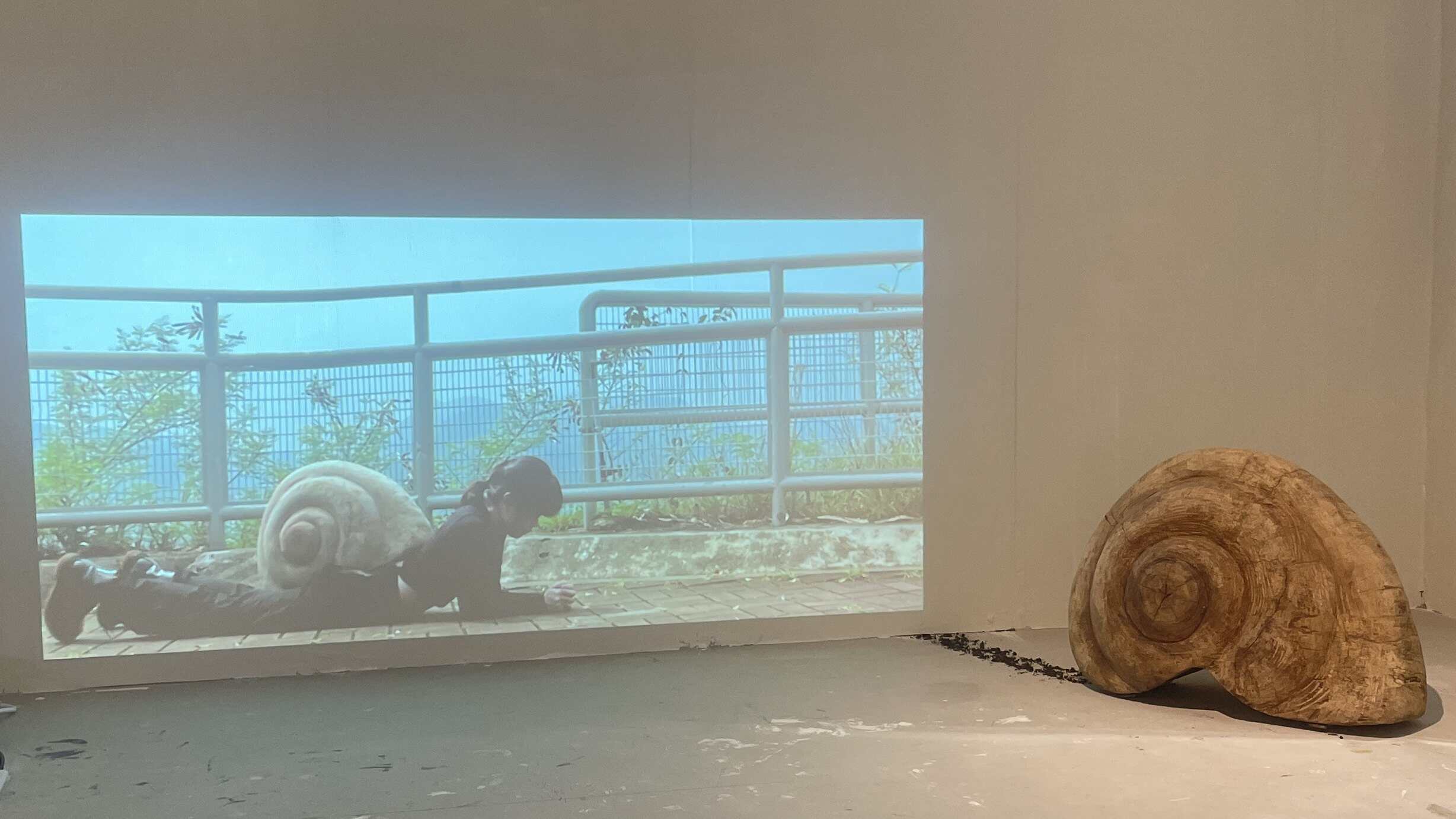
Chun Ching-sum, a third-year fine arts student, crafted a wooden snail. She filmed herself carrying the snail sculpture on her back, representing the burden she felt at home. She named her multimedia artwork, Home.
“The video illustrates a snail’s slow crawl across the ground, symbolising the challenges and exhaustion experienced by carers at home,” she said.
“Since snails cannot leave their shells, which both protect them and serve as their homes, it represents the ... feelings I experience at home – a mix of love and hate.”
The student highlighted how Hong Kong’s younger generation was becoming more aware of the environmental importance of trees.
Besides this course at CUHK, Hong Kong has seen the rise of other environmental initiatives dedicated to recycling fallen trees. For example, HK Timberbank trains young carpenters in crafting furniture and other products using upcycled waste wood.
“There are more young people now involved in making wooden furniture and crafts. It’s valuable and encouraging,” Chu said.
Use the puzzle below to test your knowledge of the vocabulary words in the story.
Suggested answers
-
Stop and think: Instead of throwing something away, why is it better to reuse it or upcycle it? There is a lot of trash in our landfills, and it is polluting our environment. If we can reuse or upcycle our things, we can save money and protect nature.
-
Consider: Why would extreme weather cause more trees to fall? If there are big winds during a storm, it will make the trees unstable. Too much rain will also flood the soil and make it harder for the tree’s roots to stay in the ground.
-
Answer this: What is the meaning behind Chun Ching-sum’s sculpture? The snail’s shell shows the struggle of taking care of your family – while it is your home, it can also be a burden.