Difficulty: Challenger (Level 2)
When you are savouring the flavours of home-cooked meals or the culinary delights of restaurants, have you ever wondered about the magic that happens in the kitchen?
How does a raw egg transform into a delectable dish? Or how does a piece of meat, when exposed to heat, turn into a succulent steak? And what about the science behind the soft and fluffy texture of cakes? Let us embark on a journey to unravel the fascinating science behind cooking.
Eggs
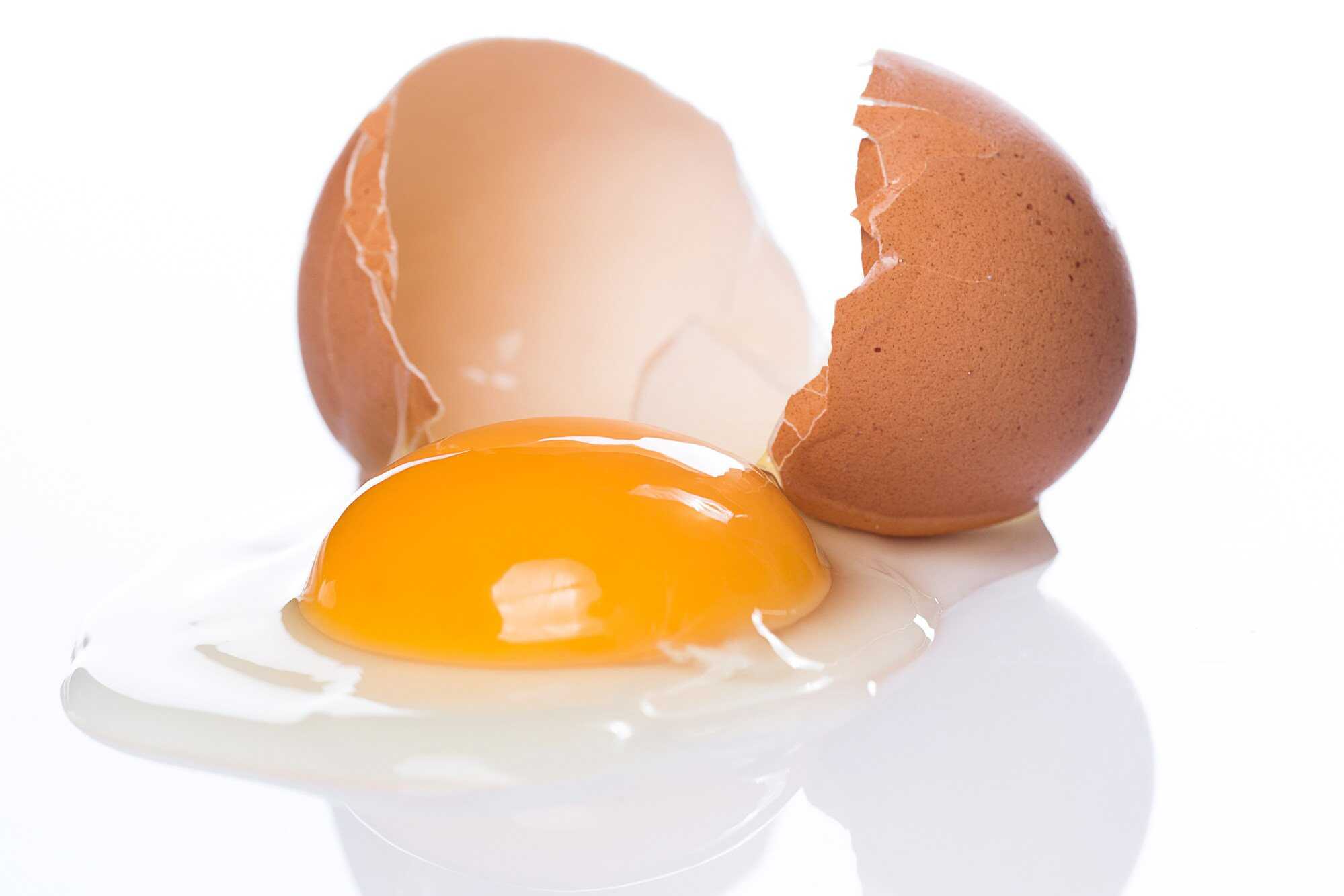
Slimy with a yellow ball and translucent outsides, a raw egg looks very different from when it is cooked. Long protein molecules are curled tightly in the egg whites as they float in water. But when the egg whites are heated, these proteins uncurl and form connections.
These bonds start to capture and hold the water. However, if you cook them for a long time, more proteins will connect, making the egg white strong and rubbery. This highlights the importance of the right cooking time in achieving the desired texture.
Steak
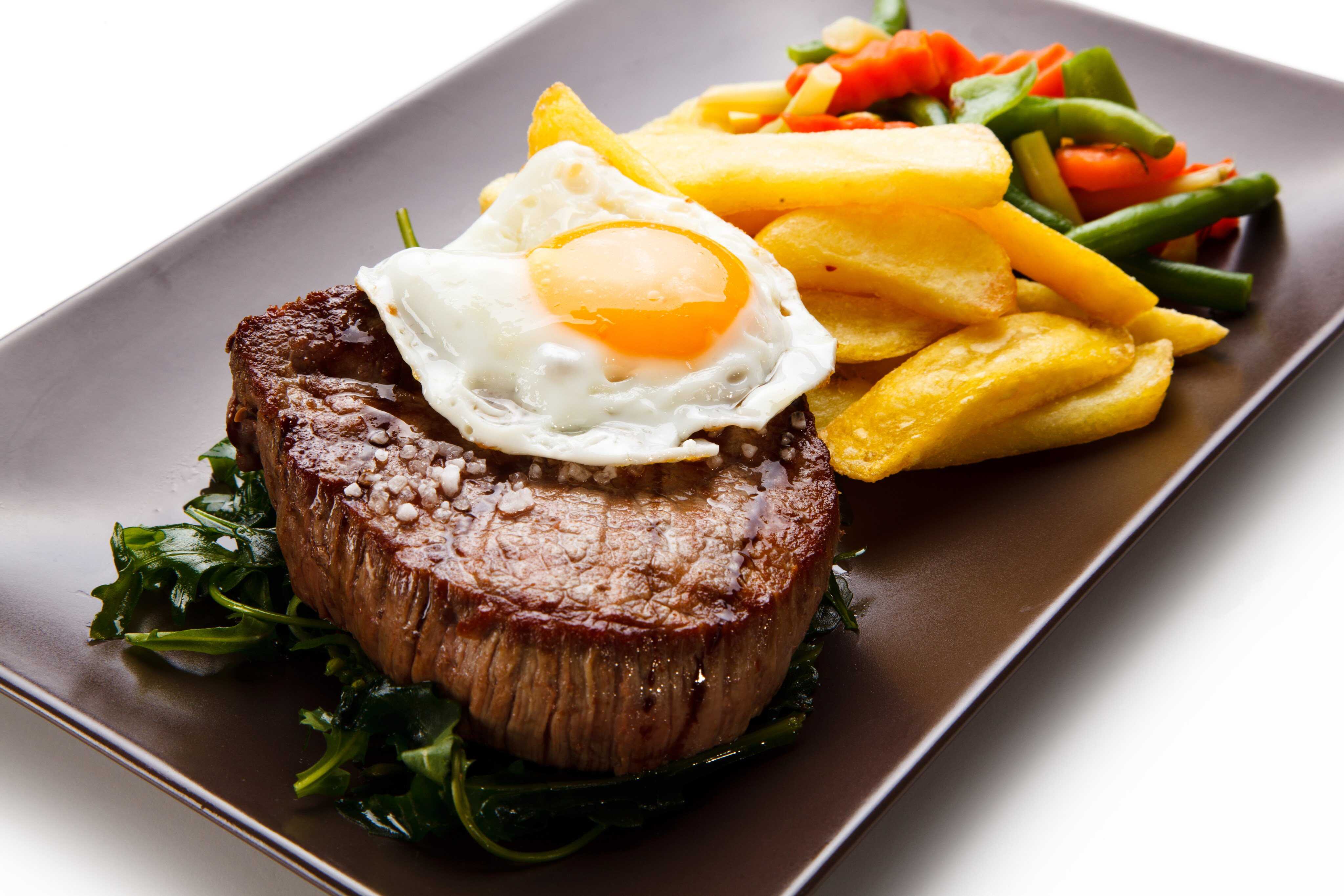
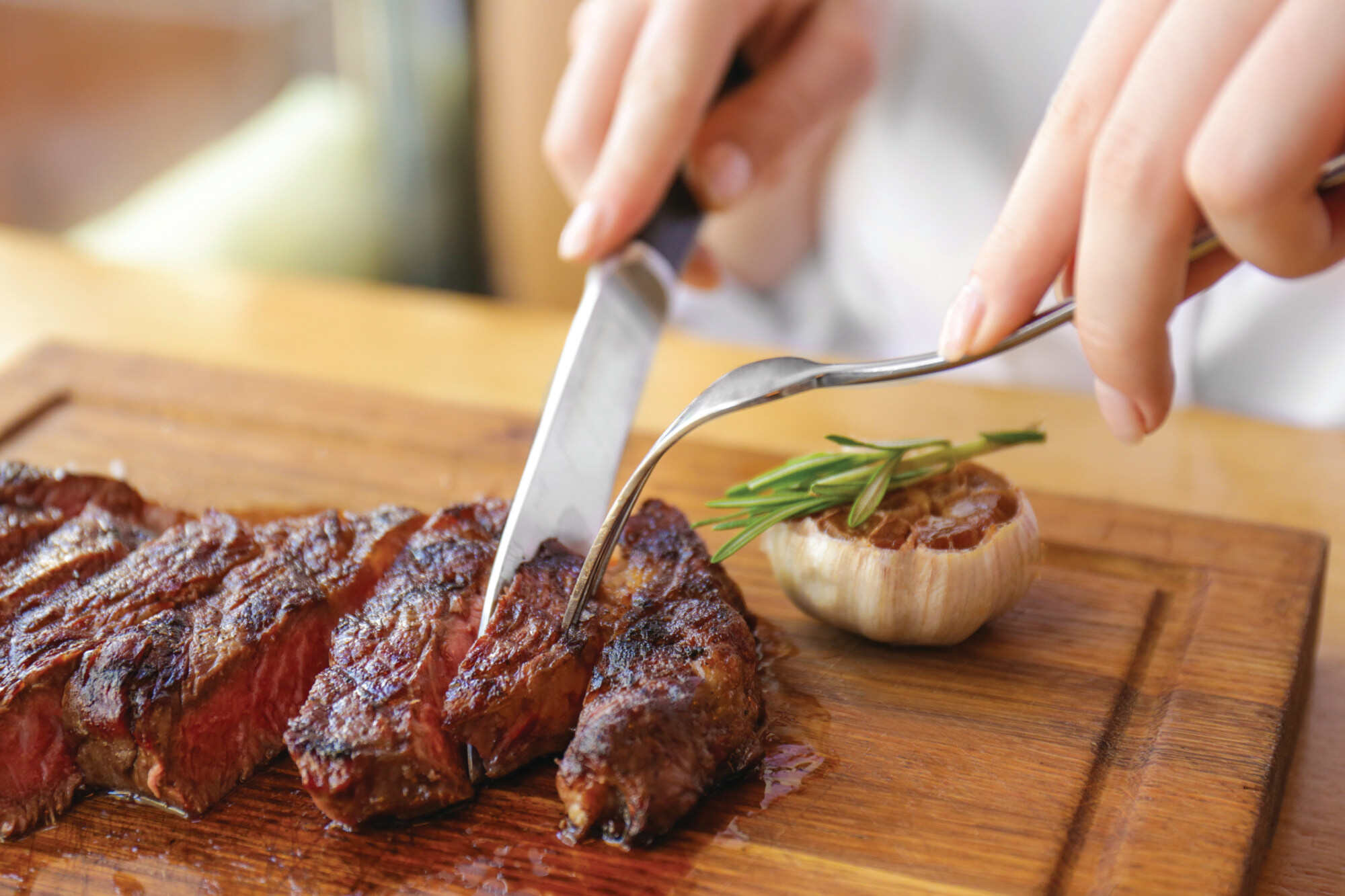
Picture slicing into a perfectly cooked steak or any other meat. The exterior, kissed by the heat of the pan, boasts a rich, darker brown hue, while the interior remains a tantalising shade of pink. But what is the secret behind this transformation?
When the meat’s surface touches the pan, it becomes very hot. The high heat causes the proteins and sugars in the meat to change and mix. This creates new smells, colours and tastes. The meat is browned with a delicious flavour.
For the parts of the meat that are not touching the pan, it is hot enough for the protein to cook and firm up. But it is still too cold for the inside of the meat to become a darker brown colour.
Baking
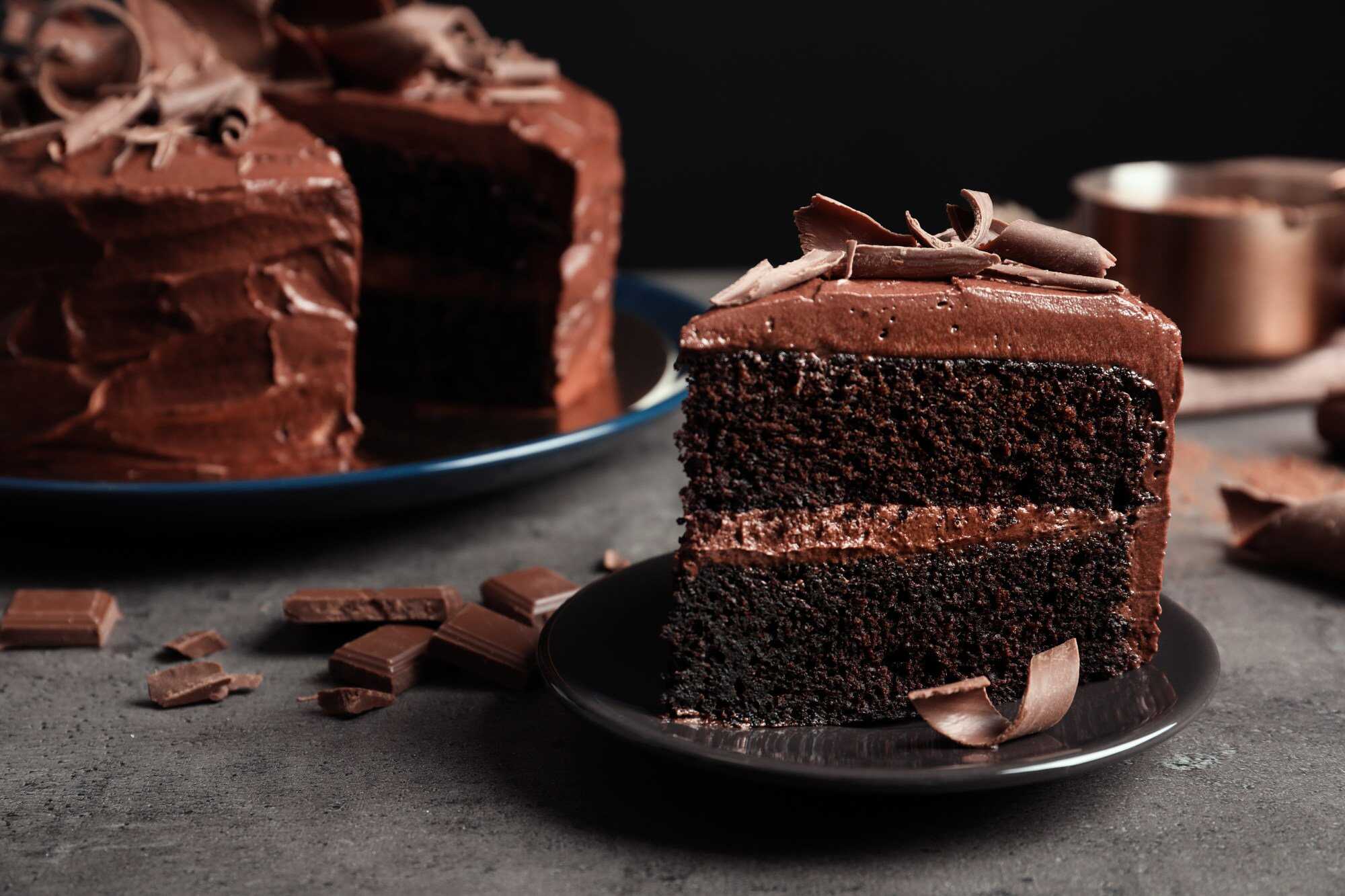
When bakers begin to create a treat, they mix wet ingredients with dry ingredients to make a sticky, moist batter. But it comes out fluffier and taller after they put it in the oven.
The secret to the texture and height is baking powder. This ingredient consists of carbonate, starch and acids, which release carbon dioxide into a wet batter and create tiny air bubbles.
These become bigger as the batter heats up, eventually making the bread or cake taller with a fluffy texture.
Use the puzzle below to test your knowledge of the vocabulary words in the story.
Suggested answers
-
Before you read: Heat is needed for each of these cooking methods.
-
Stop and think: When grilling, the high heat causes the proteins and sugars in the meat to change and mix, creating delicious new smells, colours and tastes.
-
Consider: Baking powder mixes with the wet batter and releases bubbles which get bigger as they heat up; this creates a larger and fluffier result.