Difficulty: Challenger (Level 2)
City life can be exciting, but this is not always the healthiest place to live. Being around traffic fumes and loud noises all the time can make you feel sick. People in cities also often rely on cars to get around instead of walking or biking, which is not good for their health.
To address this, some cities are making themselves more eco-friendly and encouraging healthy habits. This way, residents can enjoy their lifestyle while also maintaining their well-being.
Green rooftops
Plants can be grown on a building’s roof. This layer can keep cities cooler. The plants absorb heat from the sun and release water vapour through tiny openings in their leaves. This process cools the surrounding air. It also helps keep the building cooler, which reduces the need for air conditioning.
Solar panels
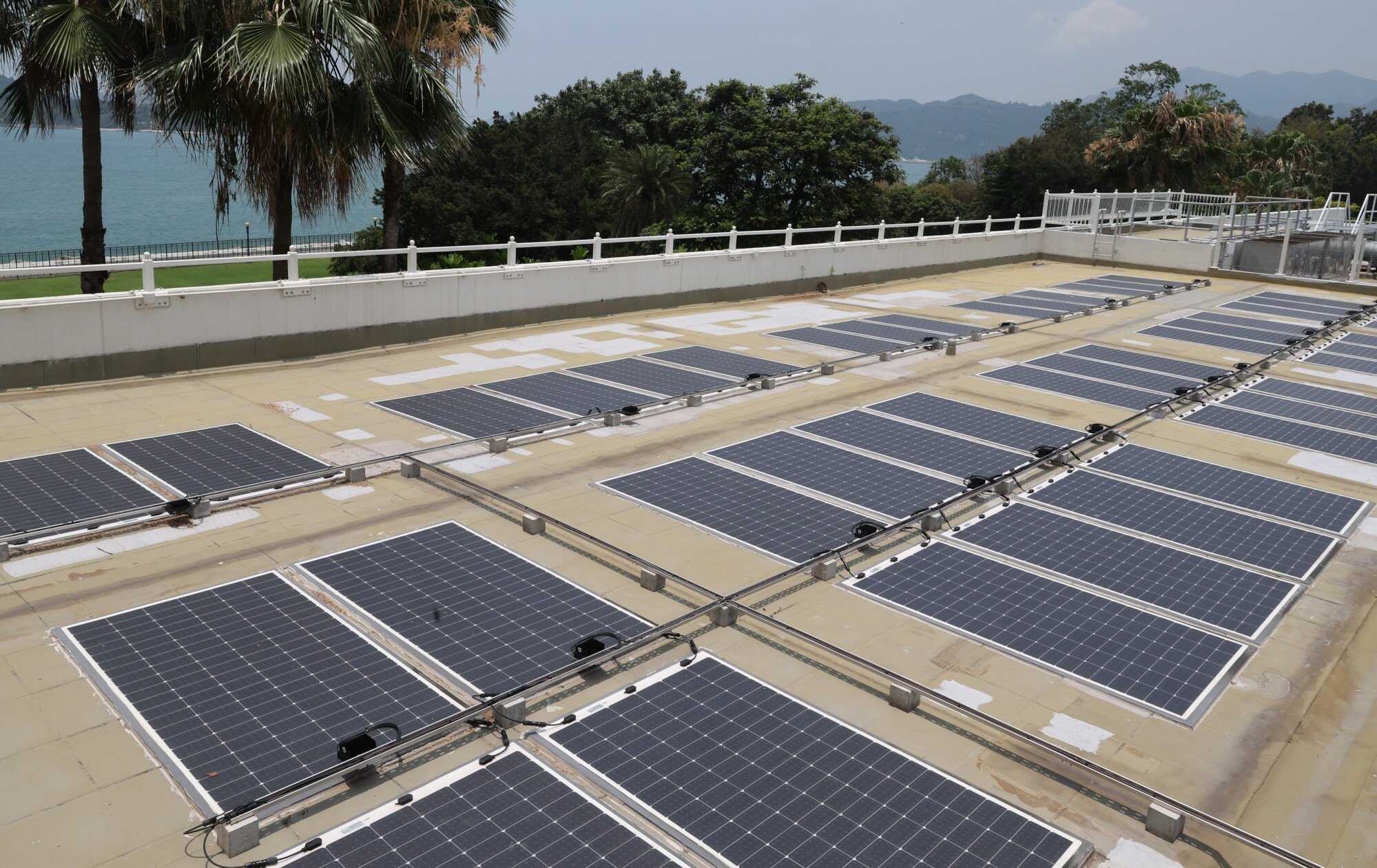
Solar panels are large plates that convert sunlight into electricity. Special materials in the panels absorb sunlight and transform it into energy that can power the building.
For cities with a lot of sunlight, this is an eco-friendly way to generate power because it does not release pollution. It is also a renewable energy source that will not run out the way that fossil fuels will.
Streets that promote biking
Not only is biking a good form of exercise, but it also does not cause pollution like other transport methods.
Cities that have safe bicycle lanes, space to park bikes, and shared bikes can encourage residents to get around sustainably. This can reduce carbon emissions, which is a major source of pollution in cities.
Smart street lights
While street lights are needed to guide pedestrians at night, they can use up a lot of energy.
Smart street lights can automatically switch on when they detect a pedestrian. They can also change their brightness based on the weather. This technology can reduce the electricity needed for the lights.
Reclaimed water
Waste water can be treated so that it is safe for certain uses. While it cannot replace drinking water, reclaimed water can be useful. It can clean the streets, water crops, flush toilets or even put out fires.
Making use of recycled water can reduce the amount of waste water that goes into the ocean. This keeps the ocean cleaner, which is better for fish and other marine life.
Use the puzzle below to test your knowledge of the vocabulary words in the story.
Suggested answers
-
Before you read: answers will vary. (poor air quality, rubbish on the road, rubbish in the water, hot climate, etc.)
-
Stop and think: Smart streetlights reduce energy consumption because they are not lit throughout the night. They only turn on once motion detectors sense a pedestrian and can alter brightness levels, meaning they use less energy.
-
Consider: Cycling or walking instead of using cars or public transport is a great way to get exercise and reduce the carbon emissions in the city! It’s an easy alternative to make, especially in a compact city like Hong Kong. (accept other reasonable answers)