Difficulty: Summiteer (Level 3)
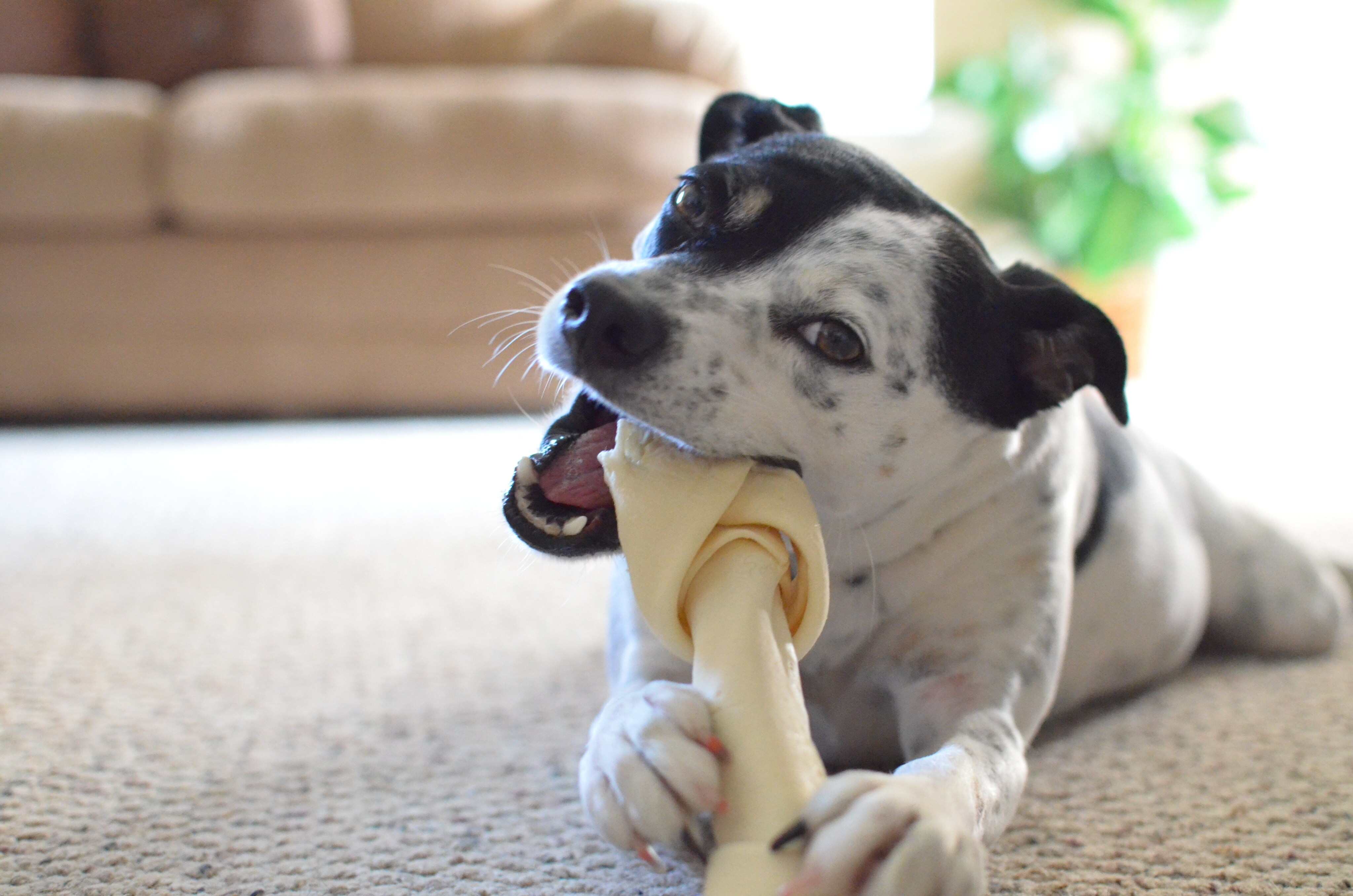
Dogs use their mouths to explore the world, similarly to how we use our hands. Dogs often chew, lick and explore with their mouths.
Repeated chewing, also known as “gnawing”, is a behaviour dogs inherited from their wolf ancestors. They used to chew and tear apart their prey. But pet dogs do not need to do this. They usually eat kibble, which requires little chewing.
Still, many dogs have retained their chewing instinct. This behaviour is normal and important for their physical and mental well-being. It aids their digestion and helps them cope with pain.
Why dogs chew
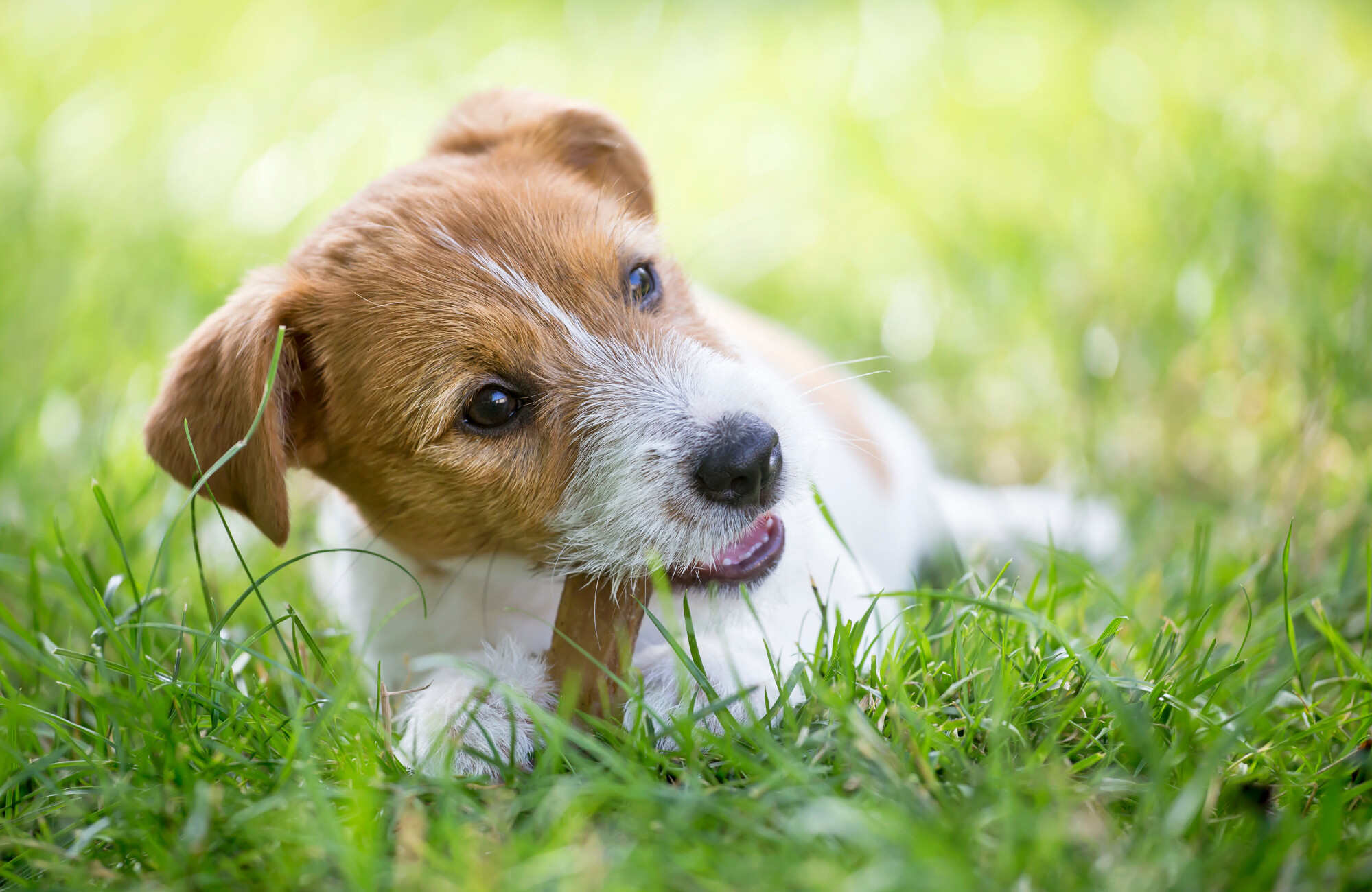
Studies have shown that chewing can help dogs feel less anxious and handle stressful situations better. Chewing can also help prevent dental problems because it scrapes away plaque that forms on their teeth. It also strengthens their jaw muscles. Puppies are more prone to chewing. This is because they are exploring with all their senses.
They are also teething, which can make them need to chew even more. Chewing is a natural way for them to navigate their surroundings. While dogs have a great sense of smell, their eyesight is not as good.
Dogs get stressed too
Sometimes, dogs can show destructive behaviour because of stress. This can result from a lack of interaction with humans and other dogs or a need for exercise and mental stimulation. They may also not be getting along well with other animals at home.
How to keep your dog happy
It is important to ensure your dog isn’t stressed when left alone. Make sure they have mental stimulation through food, toys and puzzles.
Regular exercise can also help brighten their day. They can fulfil their need for exploration and social interaction with other dogs, even if they are just sniffing another dog’s scent or marking their territory.
If your dog has a habit of chewing things it should not, here is a helpful tip: when you catch them doing it, try distracting them with a noise and redirect their attention to another task, like sitting. Then, reward them for following your command.
It is important not to scold them, as this can make it harder to correct the behaviour.
Answers provided by Dr Angel Ngo, a general practice and emergency veterinarian at VetiVa Center For Animal Wellness.
Quiz time
Stop and think: Dogs’ ancestors are wolves, and wolves needed strong jaws and chewing skills to eat their prey. Since dogs have been domesticated, they eat softer foods, which do not require much effort.
Think about it: Chewing keeps dogs’ teeth and mouths clean, as it scrapes plaque off of their teeth. It also reduces their anxiety and lets them better handle stressful situations. It improves digestion, and they can also deal with pain better.
Consider: Younger dogs use chewing to discover the world and understand their surroundings. Touch is also a stronger sense than sight for them. Also, puppies teeth, so this contributes to their need to bite more.