Difficulty: Challenger (Level 2)
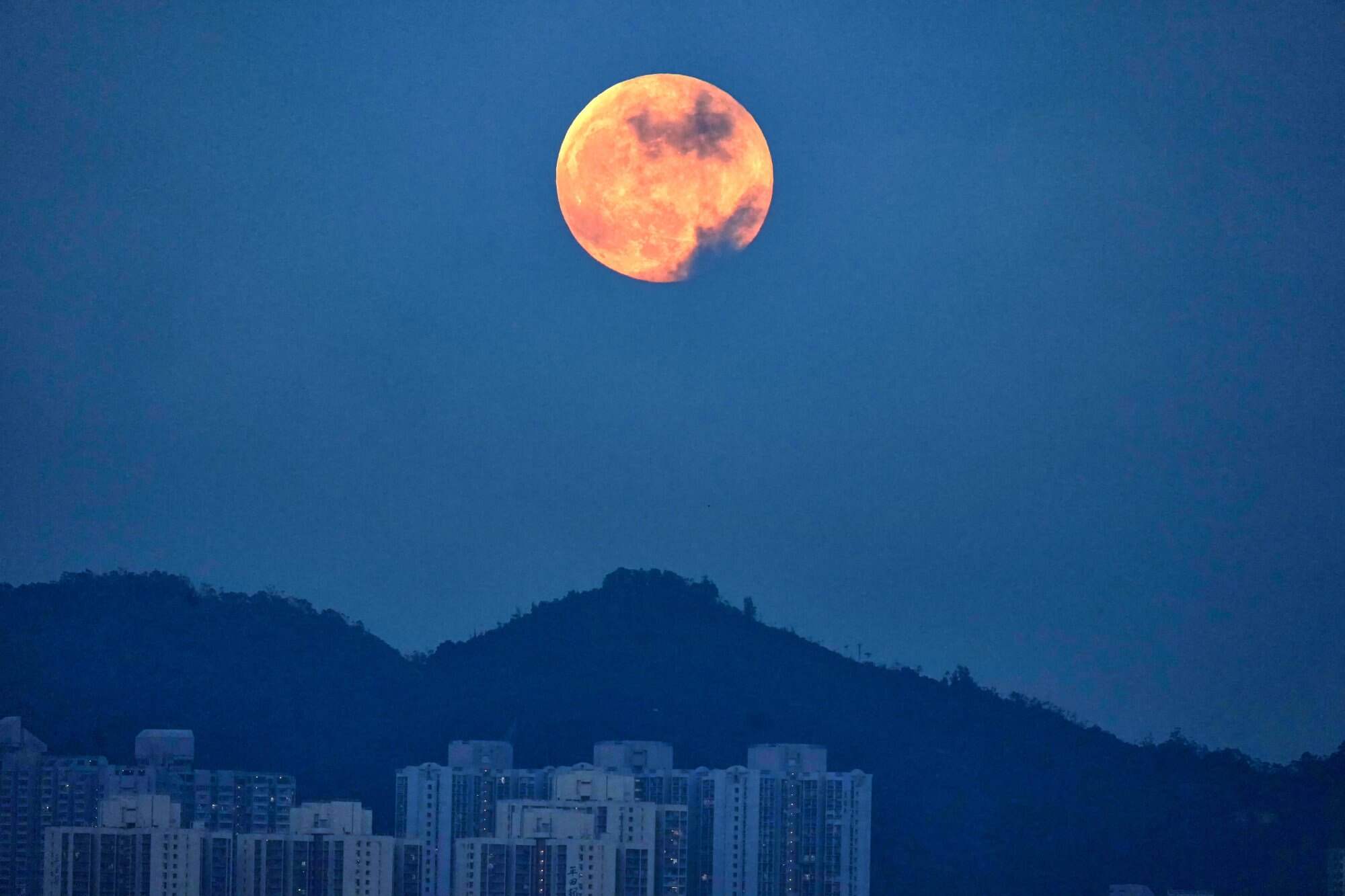
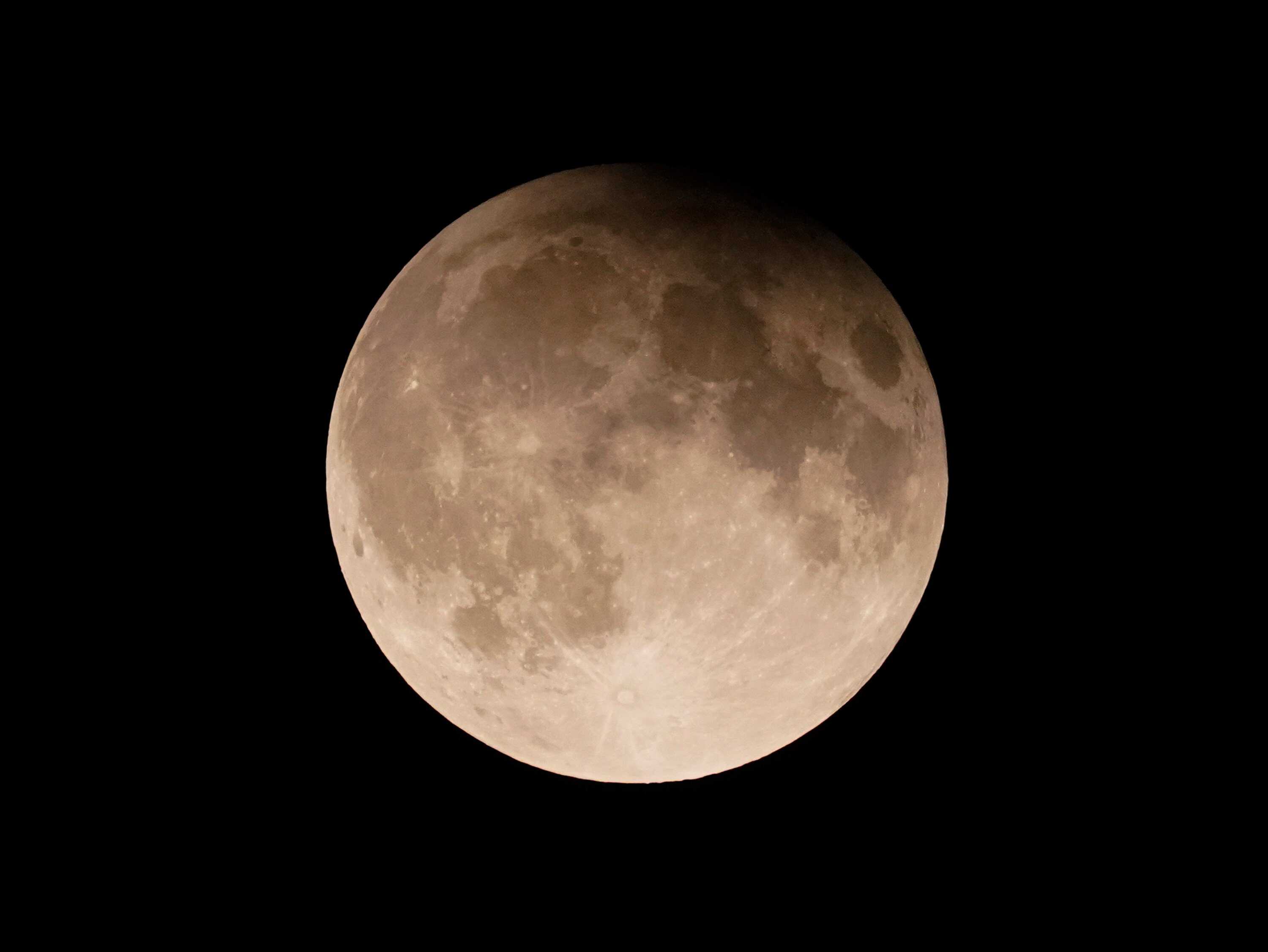
The moon orbits our planet and brightens the night sky. Have you ever wondered what a day there would be like?
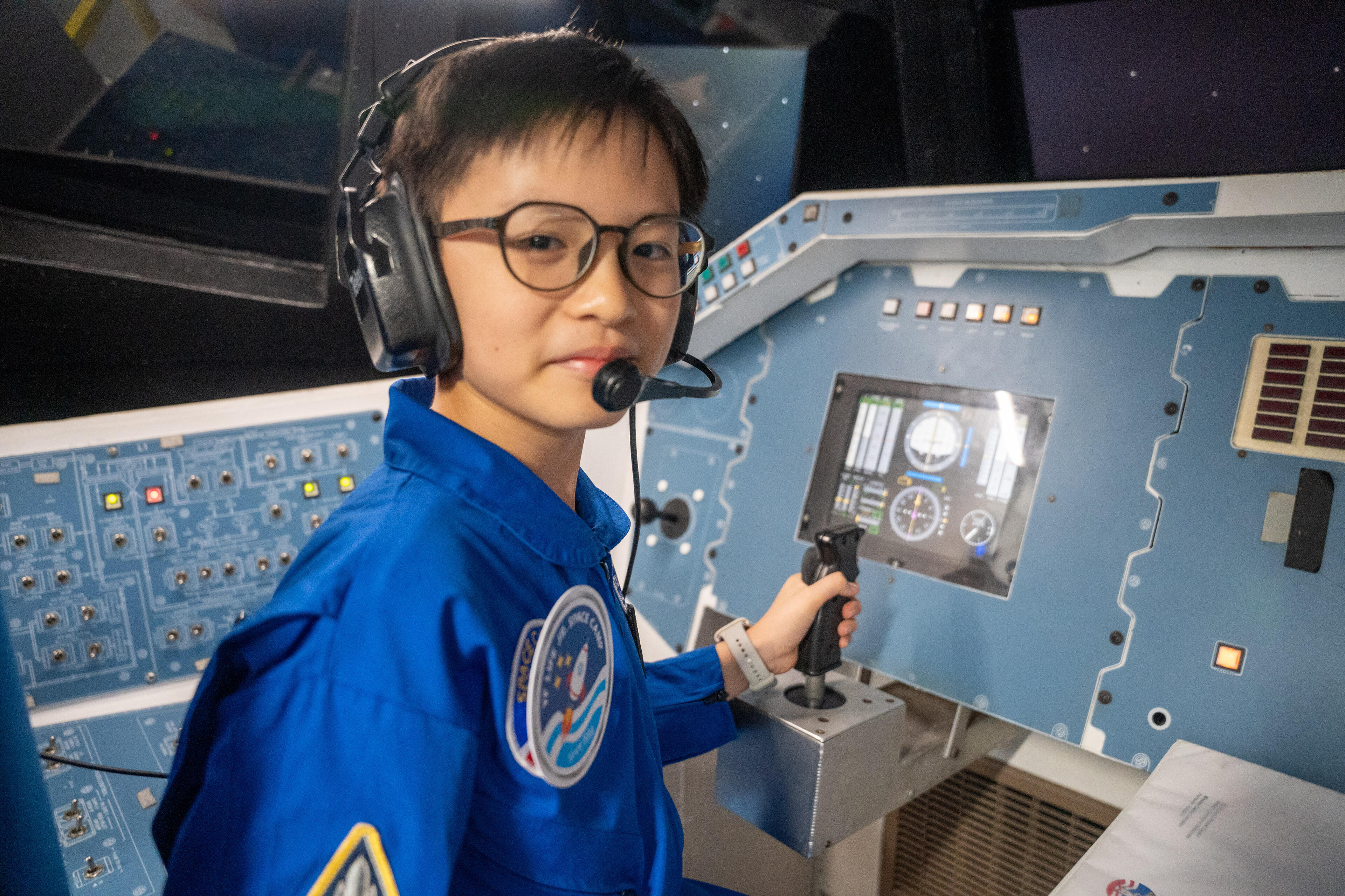
Irena Hui, an assistant curator at the Hong Kong Space Museum, explains everything about living on the moon.
How is the moon different?
The temperatures on the moon change a lot more than they do on Earth. It can reach up to 127 degrees Celsius and drop to as cold as -173 degrees, much lower than Antarctica’s temperatures.
If you skydive from a plane on Earth, you will quickly reach the ground because of the force called “gravity”. But it will happen much slower when you do the same on the moon.
Hui explained: “The moon also has gravity, but only one-sixth of the Earth’s [gravity].”
One major concern about living on the moon is having enough oxygen.
“So, you have to bring your own respirator, or scientists need to look for a way to create it [on the moon]. Scientists have been able to extract oxygen from materials replicating lunar soil,” Hui added.
She pointed out that the moon’s atmosphere is not like Earth’s. This means there is no rain and snow, which are essential for growing plants. Without the right weather, it is hard to grow food, making it difficult for people to live there for a long time.
What equipment would we need?
To get around, we need a stronger vehicle than a car because the moon’s surface is not as smooth and developed as Earth’s. Rovers are vehicles used to travel over the rocky and uneven surfaces of moons and planets.
“Navigation cameras [on the rovers] help us find ways and avoid dangerous places,” Hui said.
She added that the rover’s solar panels make sure it always stays powered.
If you want to visit the moon simply for a day, the three key items Hui suggested bringing are a spacesuit with a respirator and enough water and food.
What could we see on the moon?
Hui also noted that looking at Earth from the moon would be a sight.
“Just imagine how astonishing it would be to see Earth the same way you see the moon right now,” she said.
Other “must-visit” locations include the Copernicus and Tycho Craters.
“They are two really big craters on the moon that you can see from Earth using telescopes. But it’s much cooler to see them on the moon instead,” Hui said.