Difficulty: Summiteer (Level 3)
Can you imagine the God of Wealth working for Santa Claus at the North Pole? Or Santa wearing a traditional Chinese suit and handing out blessings during Lunar New Year?
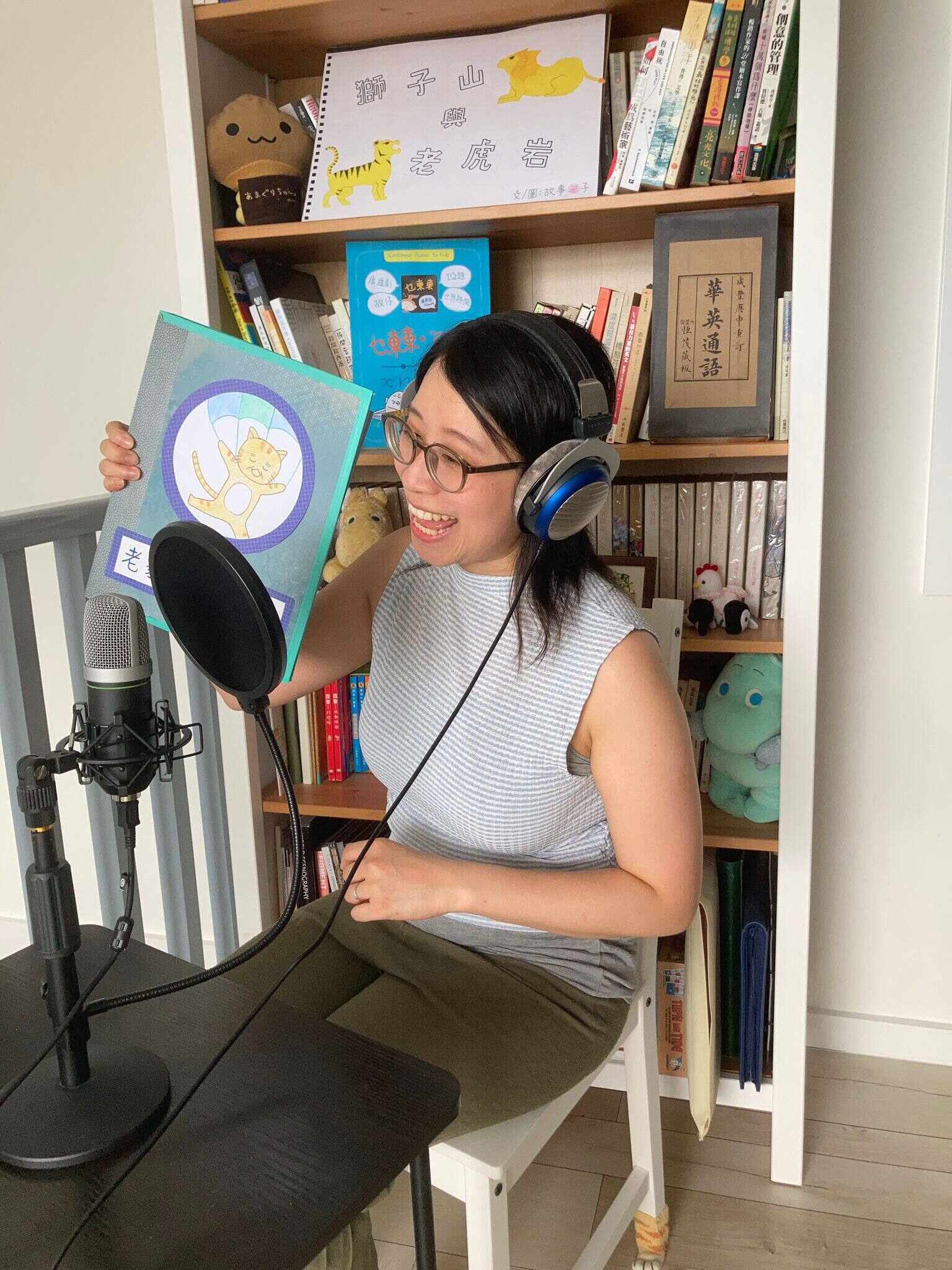
Suie*, a Hongkonger in Australia, turned this playful idea into a Cantonese short story for kids and shared it on her podcast, Muggle Tango Tingo.
“Combining these two iconic characters not only captures the ... humour but also celebrates East and West coming together,” Suie said.
Launched last year, her podcast helps kids aged six to 12 improve their Cantonese and learn about Hong Kong culture. Episodes include Cantonese slang, riddles, stories and world trivia.
Before moving to Melbourne in 2022, Suie spent over a decade producing children’s theatre in Hong Kong. She now lives abroad, but her passion for storytelling remains.
“I wanted to create something fun and engaging to help kids maintain their Cantonese,” she said.
Holding onto Cantonese
In Australia, Suie noticed that many immigrant children from Hong Kong struggled to maintain their mother tongue.
“At first, they use Cantonese for simple daily conversations. But when expressing emotions or discussing complex ideas, they instinctively switch to English,” she said.
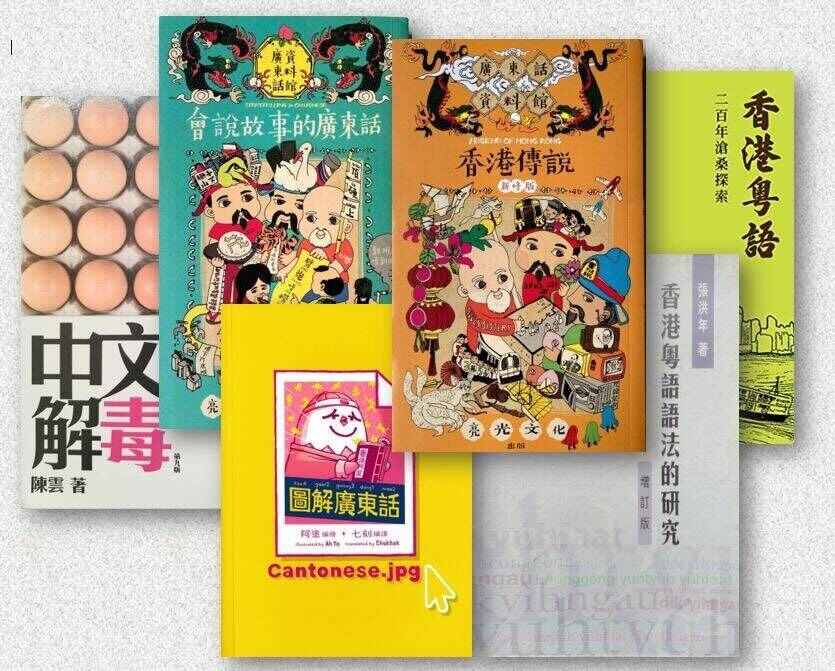
Suie wanted to help these families find resources for teaching Cantonese to their children. But she realised there were not many learning materials designed for older children.
That was when she decided to create her own podcast.
“My goal is to feature a variety of Cantonese voices, helping children connect with the language in a way that feels both familiar and enriching,” she said.
She also gets her audience involved in the podcast. In a coming episode about trains, young listeners share their favourite train stations and record themselves reading announcements as if they are on a virtual railway.
Hong Kong heritage
Suie’s podcast also highlights disappearing Hong Kong traditions.
“Knowing is the first step in keeping Hong Kong’s heritage alive,” she said.
For example, her Lunar New Year episode explored the Chinese almanac, or tong sheng, an ancient guide to lucky and unlucky days for life events.
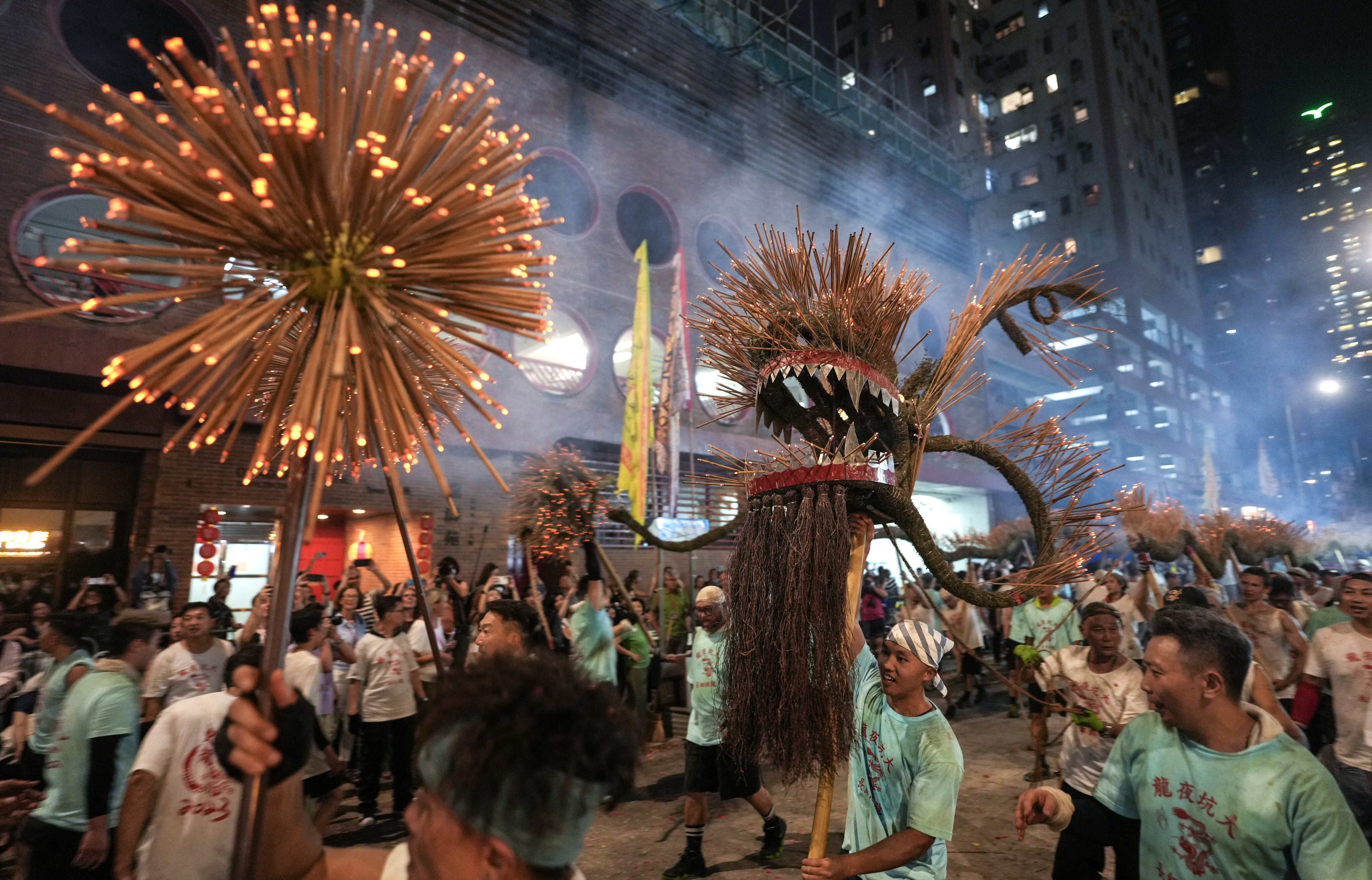
Another topic she wants to cover is Cheung Chau’s Floating Colour Parade, which is part of the Bun Festival. Children dress as famous figures and stand on structures that make it look like they are floating.
“My parents’ generation grew up in Cheung Chau, so I have a personal connection to the island,” she shared.
“I also want to tie this story to immigrant families’ experiences, showing how traditions can adapt and travel with us.”
*Full name withheld at interviewee’s request
Use the puzzle below to test your knowledge of the vocabulary words in the story.
Suggested answers
-
Stop and think: She is trying to keep the language alive because many immigrant kids, from her experience, struggle to express themselves fully in Cantonese. They tend to use English instead.
-
Think about it: Suie has a background in producing children’s theatre and storytelling. These skills would make her podcast interesting and engaging, especially because she tells stories as part of the podcast.
-
Consider: Suie’s podcast also showcases Hong Kong traditions and heritage in order to keep the city’s culture alive.