Difficulty: Challenger (Level 2)
Dwarfism is a condition that affects people in various ways. While many with dwarfism lead normal lives, they often face challenges in accessibility and societal perceptions.
How much do you know about dwarfism? We spoke to medical experts and people from the community to learn more.
What is dwarfism?
Dwarfism describes people with a height of four feet 10 inches (127cm) or less. It is considered a disability. The best term for someone with dwarfism is a “little person”.
“There are actually more than 400 [types of] dwarfism,” explained Dr Sarah Poon, a paediatrician practising in Hong Kong.
Some forms of dwarfism can have more health challenges. Most little people have a normal life expectancy with treatment for their symptoms.
Poon said the most common cause of dwarfism is achondroplasia. Achondroplasia limits bone growth in the limbs and leads to abnormal growth in the spine and skull.
Medical options for little people
Some choose to undergo limb-lengthening surgery.
Dr Evelyn Kuong is an orthopaedic surgeon in Hong Kong. She explained that this surgery can make someone 10 to 15cm taller.
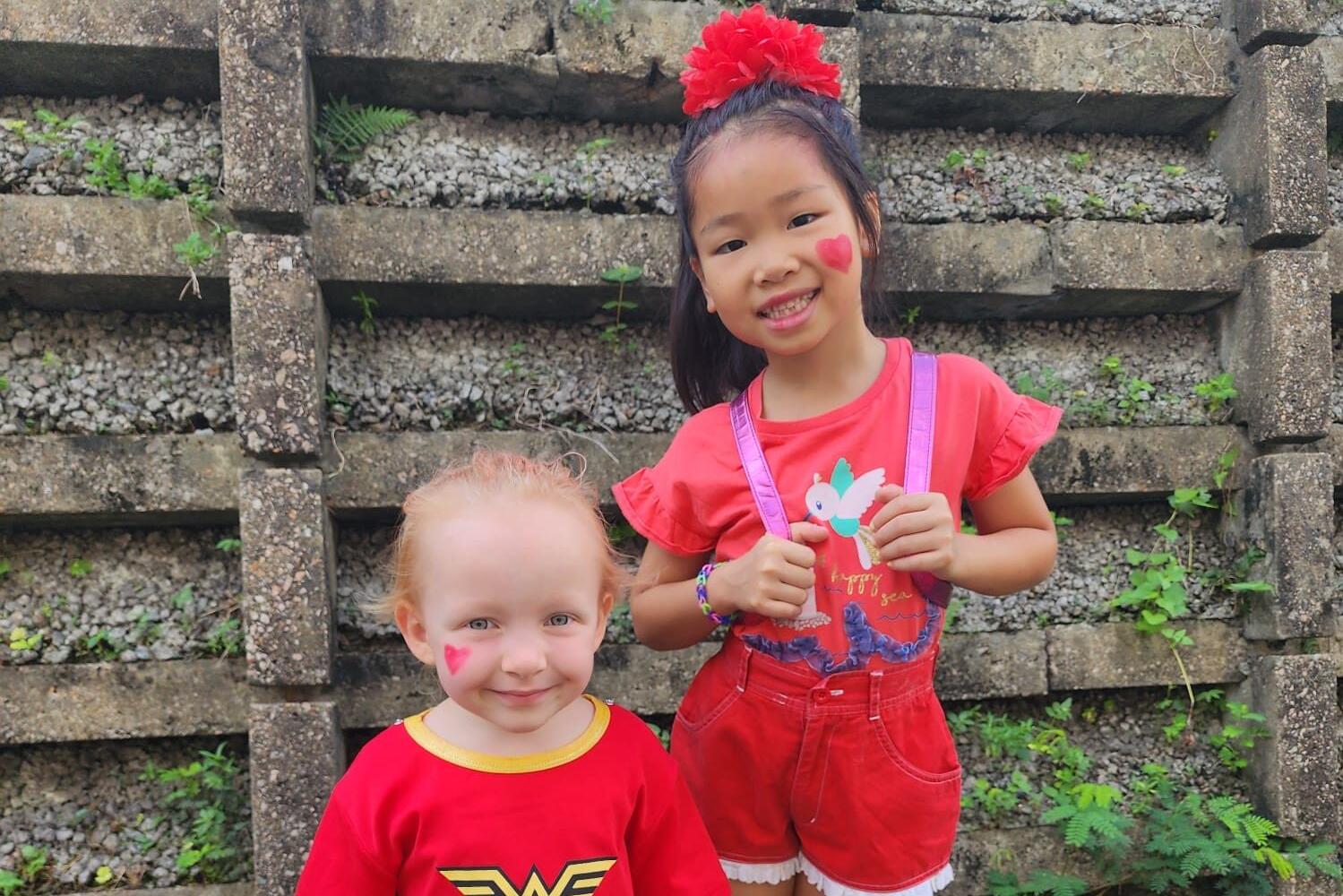
Kuong said many disagree with the surgery. Still, it could help some people, especially in Hong Kong. Some have chosen not to have this surgery. Six-year-old Novah Macalligan, who has a form of cartilage hair hypoplasia, does not consider this as an option for herself. She said she doesn’t want to change.
Her mother, Cruzanne, said the world must learn to support people with dwarfism: “We could change things in society rather than having to change our kids.”
Challenges little people face
Most public facilities, such as restrooms, lifts and bank machines, are not made with little people in mind.
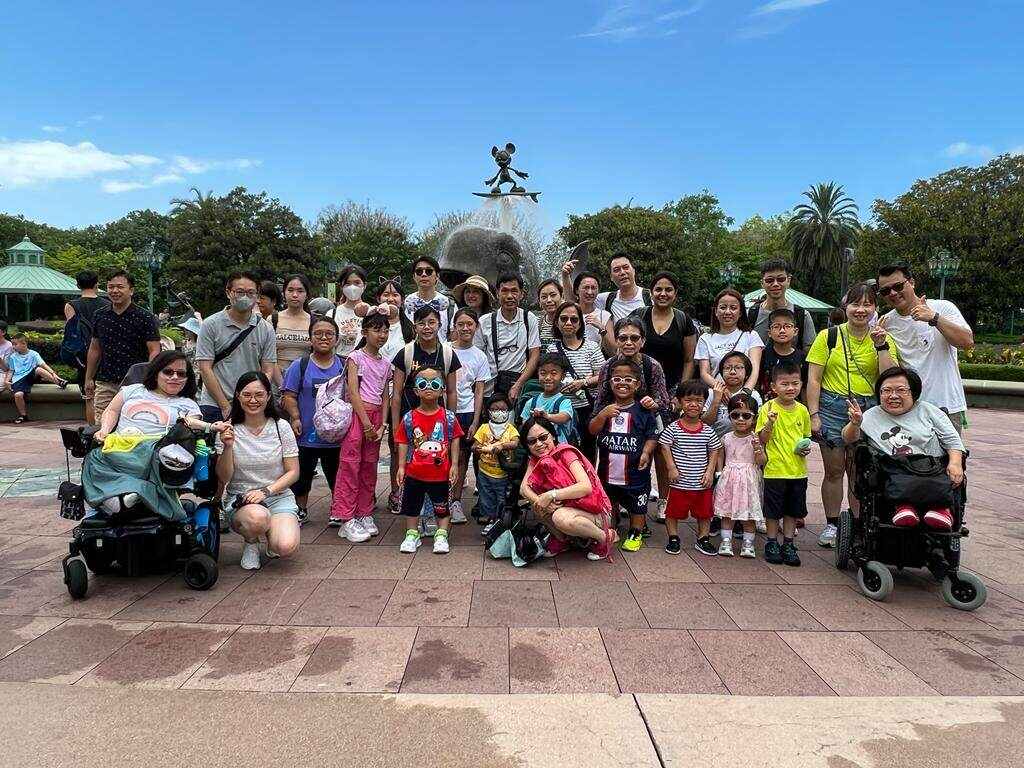
Serene Chu is the founder of Little People of Hong Kong (LPHK). It is an NGO that provides resources for little people. Chu has a child with dwarfism. She explained that little people struggle to find jobs because of stereotypes.
Poon said another harmful idea is that little people also have intellectual disabilities. This is untrue for most people with dwarfism.
Chu feels that the best way to help those with dwarfism is through change. For example, schools should install ramps, place stools in toilet stalls and allow students to use the lift if needed.
She also emphasised the need to give them respect. “People with dwarfism deserve to have the same education and job opportunities. Give them the opportunity to do what they want to do,” she said.
Use the puzzle below to test your knowledge of the vocabulary words in the story.
Suggested answers
-
Before you read: Dwarfism is a disability that makes people much shorter than average. Those with dwarfism are called “little people”.
-
Stop and think: Little people have a harder time navigating spaces because of their height. They are also dismissed from job opportunities. There is also a negative and untrue assumption that little people also have intellectual disabilities.
-
Consider: Chu suggested there could be more ramps in schools, stools near toilets, and easier access to lifts for little people.