Difficulty: Challenger (Level 2)
How do scientists figure out how big and heavy a dinosaur was? And what were the largest dinosaurs to have ever existed?
New discoveries happen all the time. So, who knows? The next dinosaur to be discovered could turn out to be the biggest, longest or heaviest of them all.
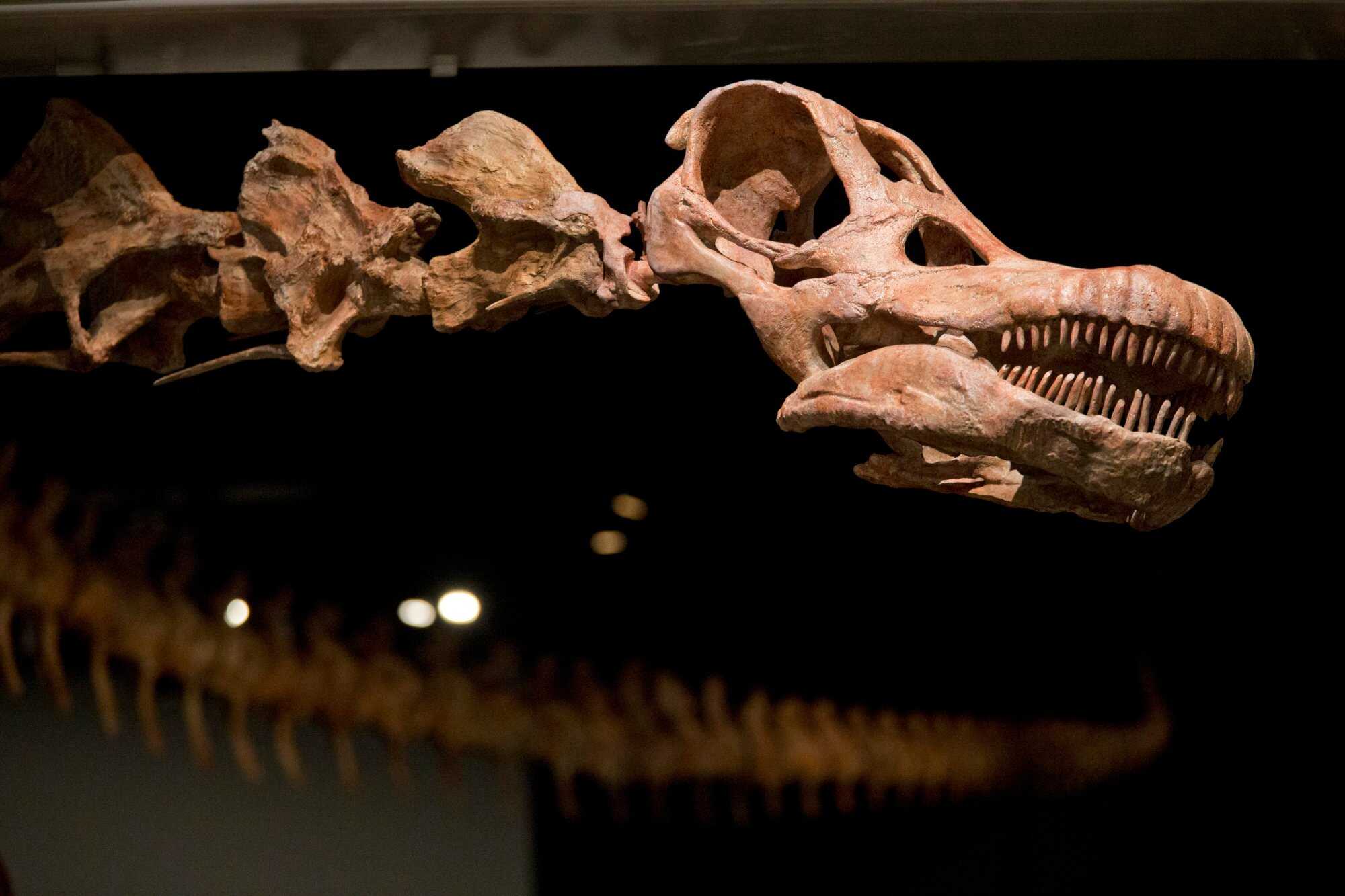
Calculating dinosaur size
If you had a dinosaur’s complete skeleton, then calculating its size would be easy. But unfortunately, it is not that simple.
Palaeontologists are scientists who study fossils, including dinosaur skeletons. Fossils are usually hidden deep in the ground. When they are dug up, skeletons are likely to be broken up and missing a few bones.
The less complete a dinosaur fossil is, the less we know for sure about its size and weight. So, how do scientists make a good estimate?
They try to figure out a dinosaur’s size and weight by measuring the bones they do have. Then, they use mathematical formulas and computer models to compare the measurements to those of living animals.
The biggest dinosaur
If we travelled back in time about 145 million to 66 million years ago, we would reach the Cretaceous period. Land was still ruled by dinosaurs.
In South America, a group of four-legged plant-eating sauropods with long necks and tails would have towered over us. The ground would have shaken with every step they took.
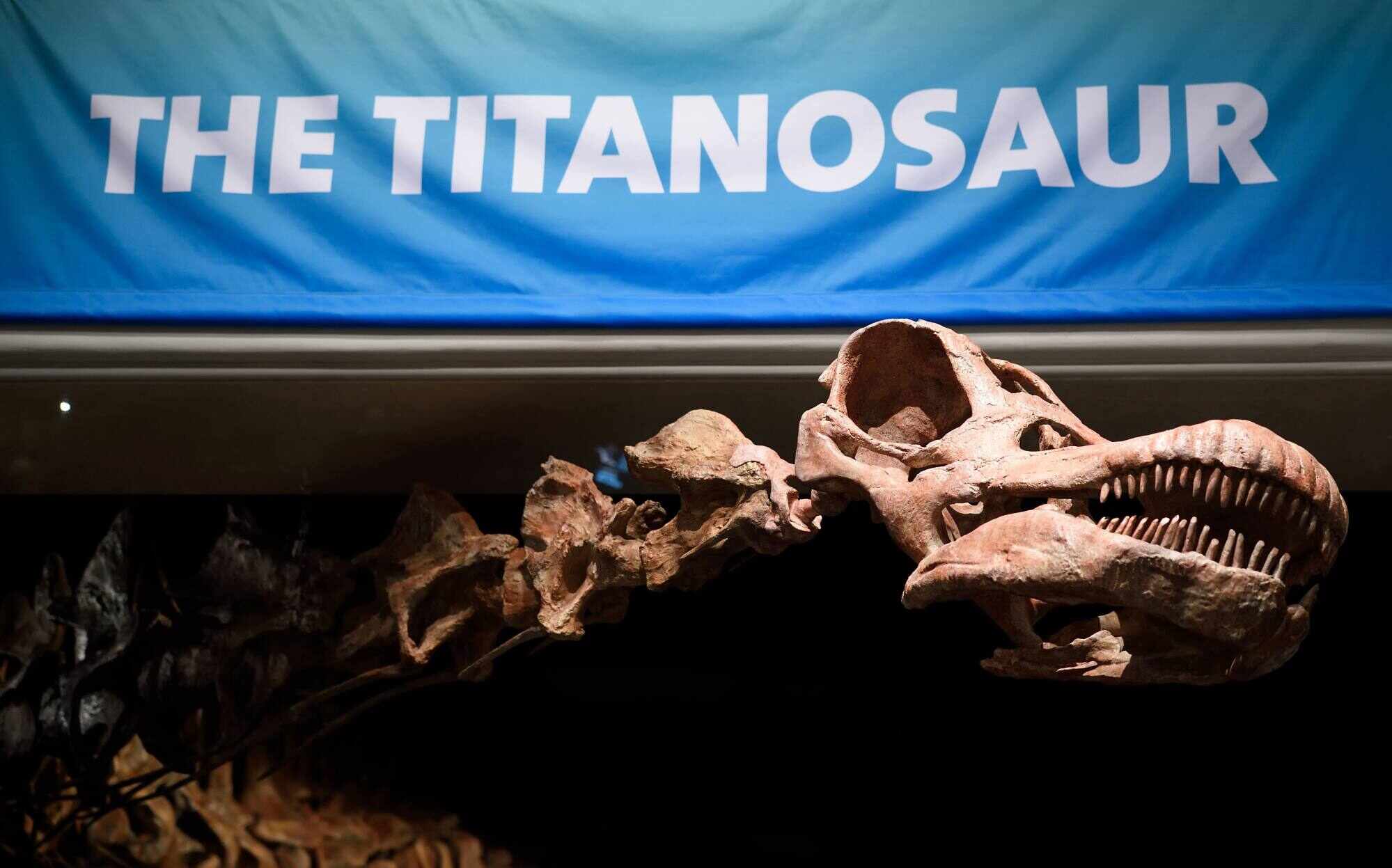
These were the titanosaurs. They became the largest they could in the Cretaceous period before an asteroid crashed and wiped them out. The guesses we have for their sizes are based on partial skeletons.
The best estimate is for a Patagotitan, which scientists think may have been 31 metres (102 feet) long and weighed up to 57 metric tonnes (63 US tons). Others might have been even bigger.
The bones of Argentinosaurus and Puertasaurus that we do have suggest they were reptiles of colossal size. But we do not have enough fossil material to be entirely sure how big they actually were.
Argentinosaurus is thought to have been even longer and heavier, at 30 to 35 metres and 65 to 80 tonnes. Puertasaurus is believed to have been 30 metres long and weighed 50 tonnes.
Giant meat-eaters
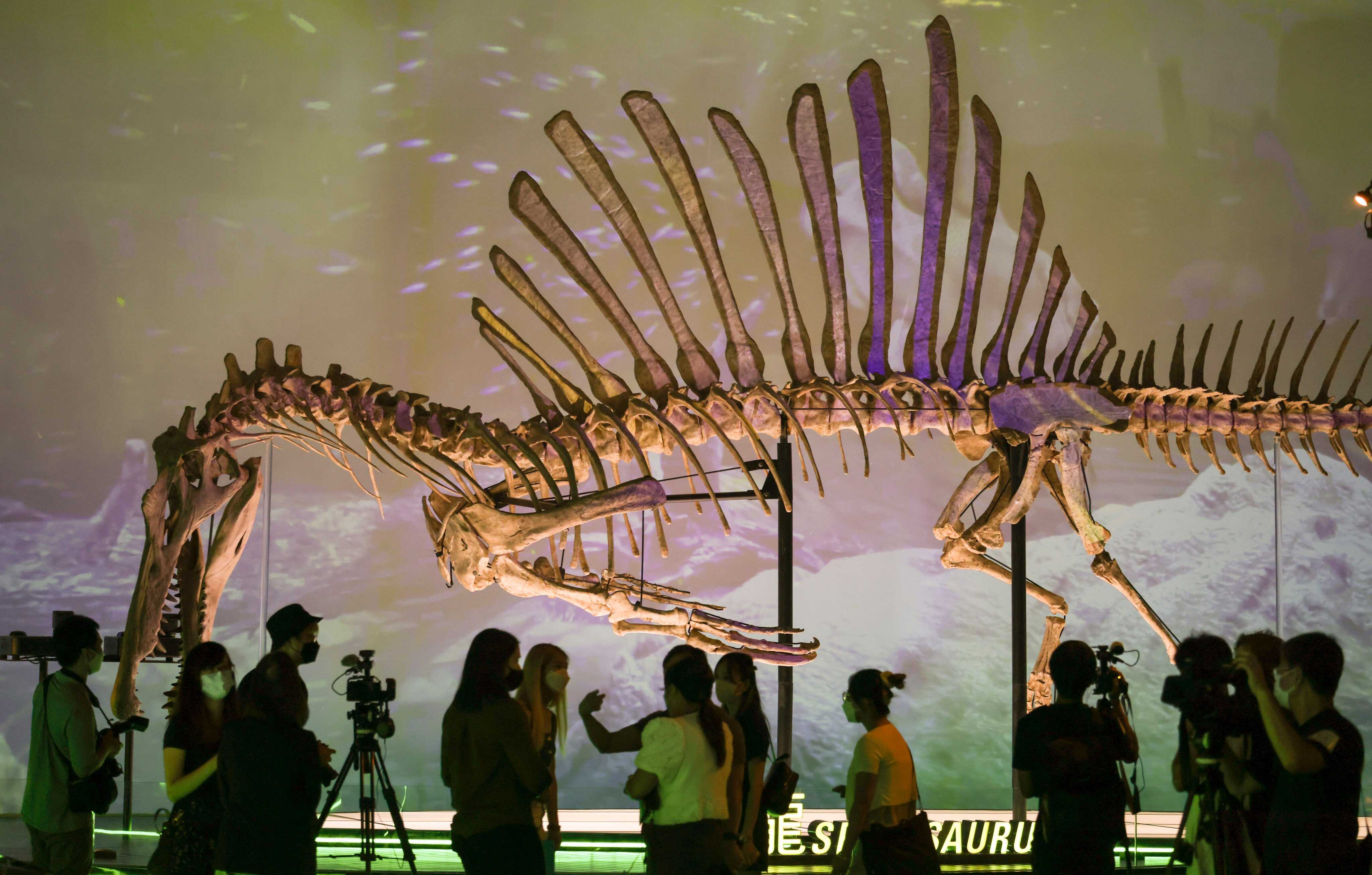
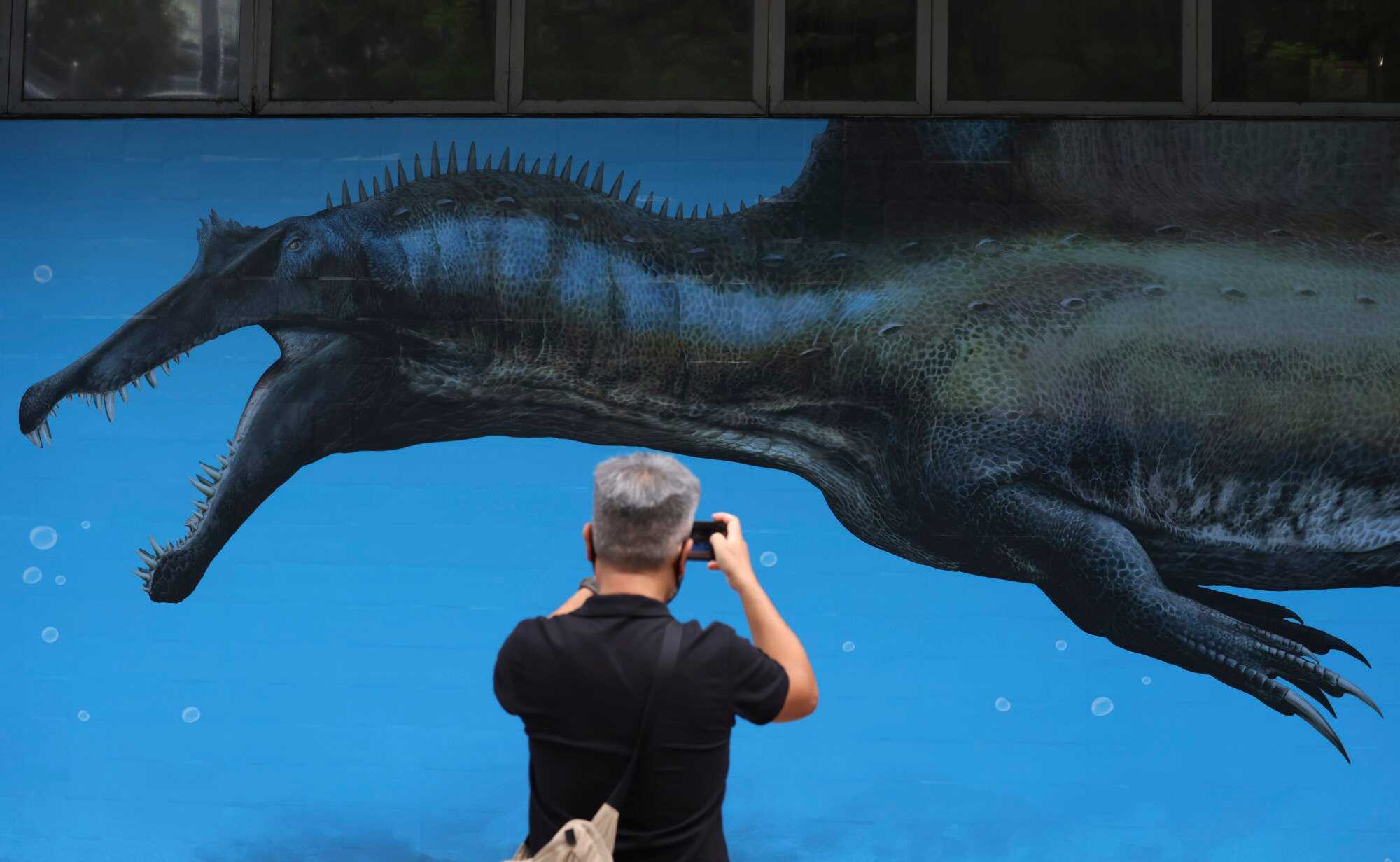
What about carnivorous dinosaurs? Scientists believe the Spinosaurus could have been the largest meat-eating dinosaur. It weighed 7.4 tonnes and was 14 metres long. It lived in the Cretaceous period in what is now North Africa.
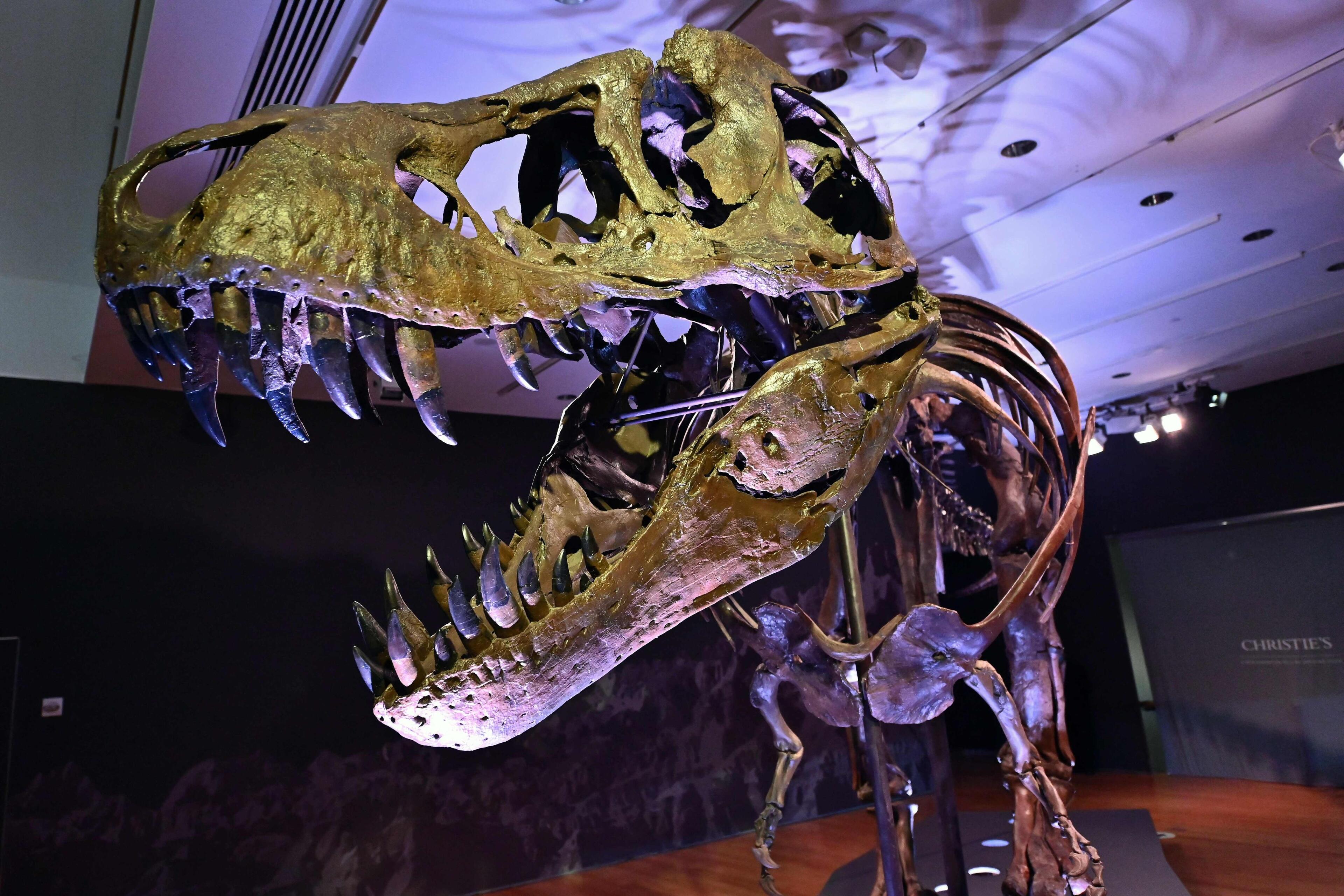
Other giants from that time include Tyrannosaurus rex from North America, Gigantosaurus from South America and Carcharodontosaurus from North Africa.
The Spinosaurus is unique because it lived partly on land and partly in water, and sometimes ate fish.
This article was first published in The Conversation. It was written by Nic Rawlence, an associate professor in ancient DNA at the University of Otago.