Difficulty: Challenger (Level 2)
When you are in a maths or science class, you might think these subjects are dull. Why should anyone learn to do multiplication by hand when we have calculators on our phones?
Why is it important to know about different types of animals and how they live in their environment?
Learning these subjects can be useful for many different jobs.
Even if university and a job seem far away, it’s never too early to see the difference you could make by studying maths and science.
Biotechnologist
When was the last time you got a vaccine? Nowadays, people are safe from illnesses like polio, measles and the coronavirus because of the work of biotechnologists.
They look at plants, viruses and genetics to develop products and technologies related to living organisms.
Some biotechnologists create medicine, while others focus on studying genetically modified plants. There is still so much to learn about what can be found in the natural world.
Urban planner
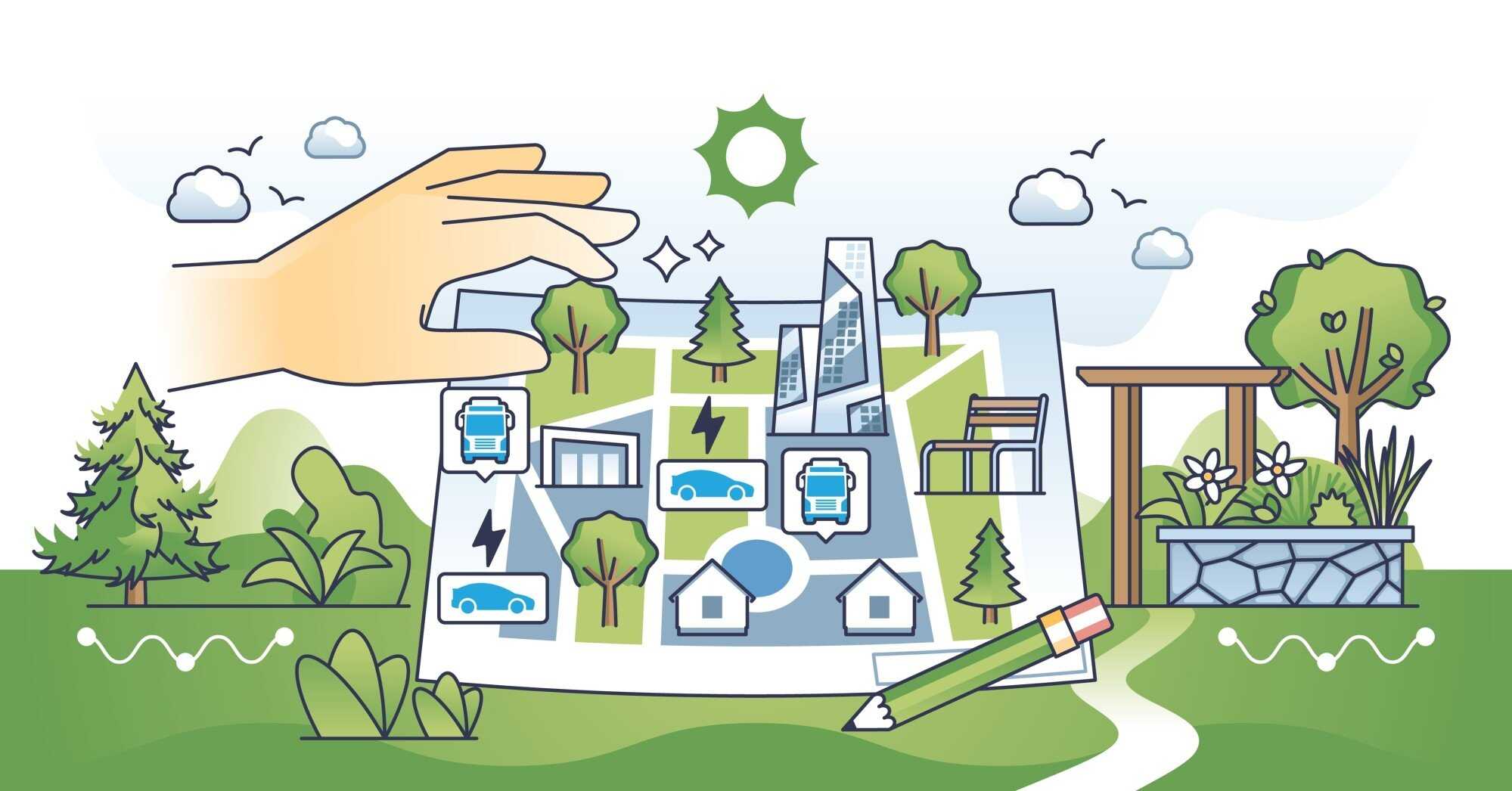
If you have ever thought about who chooses how your neighbourhood or city is set up, that person is an urban planner. To be an urban planner, you need to know a lot about maths, the environment and society.
Urban planners figure out where to put homes, stores, roads and bridges. This helps make sure that land is used well. It ensures people live comfortably and have easy access to the different services and facilities they need.
Financial analyst
A financial analyst helps companies and individuals make informed business decisions. They study budgets and financial trends to provide advice on investing, spending and business deals. Since they deal with many numbers, it is useful for them to be strong in maths.
Environmental consultant
An environmental consultant helps the government or companies find ways to cause less harm to the Earth.
They give advice on how to slow down climate change by reducing pollution. This job is a great fit for people who want to help take care of our planet and keep it safe for the future.
GIS analyst
Geographic Information Systems (GIS) is a field that looks at collecting and studying geographical data.
To work as an analyst, you need skills such as coding, data management and critical thinking.
GIS analysts usually gather data or make maps using special computer programs.
This information can be used to create online tools. The tool helps people find details about their neighbourhood and even track disease outbreaks to see where a virus is spreading.