Difficulty: Summiteer (Level 3)
As temperatures fall in Hong Kong, our pets require special care to ensure their health and comfort. We often assume a slow, quiet pet is just hibernating during the cold weather. However, they may actually be struggling with issues such as worsening joint pain, severe coughing or even hypothermia.
Some cats and dogs handle cold better than others. Dogs with short hair or a single coat, such as the Yorkshire terrier and Maltese, may feel the cold more severely.
In contrast, Alaskan breeds like huskies and Samoyeds have thick, double-coated fur. They also have a thick layer of fat beneath their skin for insulation. These dogs are built for cold weather.
Caring for vulnerable animals
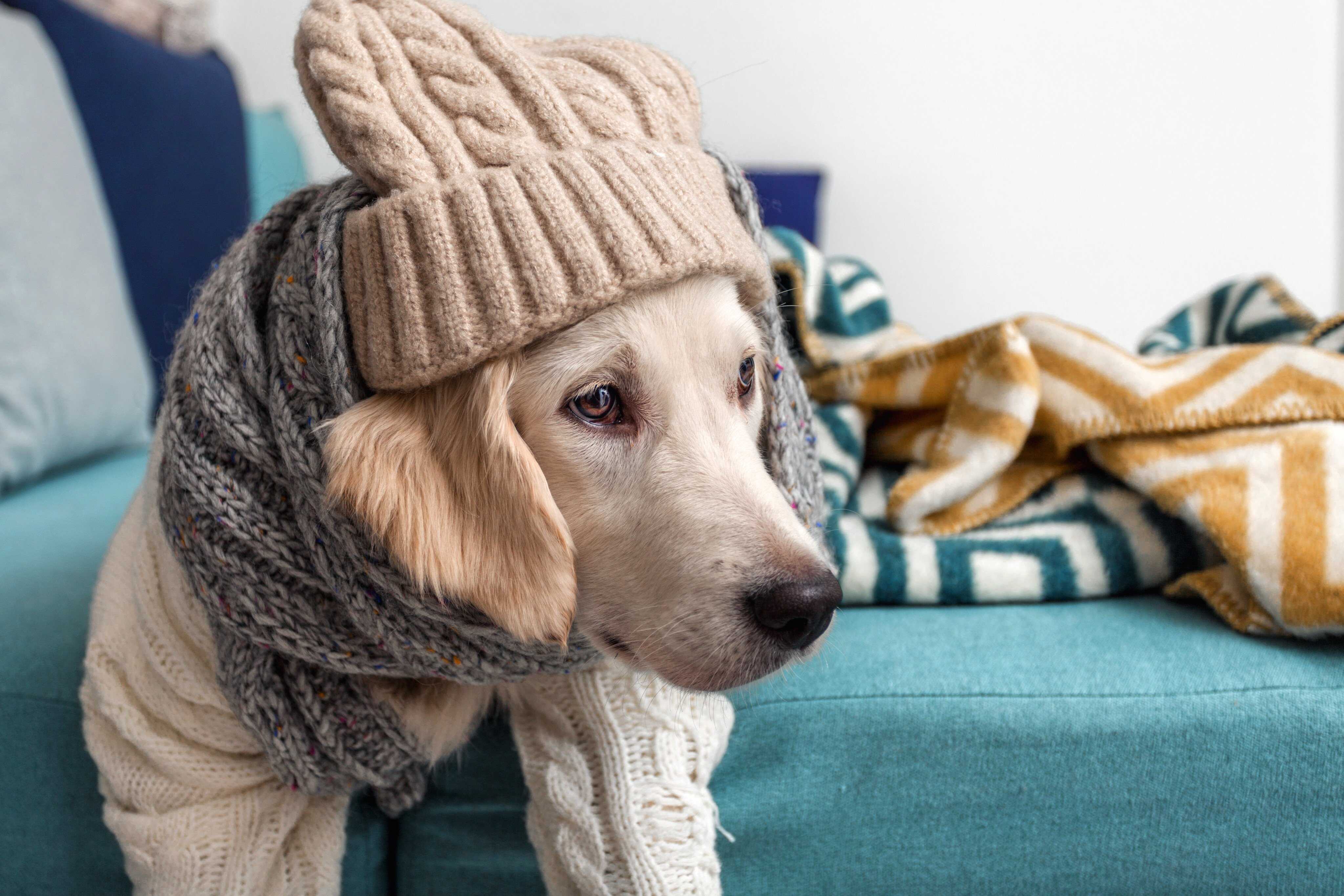
Pets that are more sensitive to the cold include hairless Sphynx cats and Italian greyhounds. Well-fitted pet clothing should be used to keep these animals warm.
“The clothing should be snug around the animal’s chest to prevent cold air from blowing underneath, but still allow them to move around comfortably,” Ngo said.
In addition, wet fur can lead to hypothermia, so always ensure your pet is completely dry after a bath.

Protecting exotic creatures
Many people overlook the care of exotic pets.
For example, the popular red-eared slider often struggles in cold weather because owners believe it “hibernates” during this time and stops moving.
In fact, sliders are simply too cold to move or eat. Many fall sick after a cold, unheated winter, as it weakens their immune system and makes them more susceptible to disease.
These reptiles require a stable water temperature of 24-26 degrees Celsius and a basking area of 30-32 degrees throughout the year.
It also means that when summer ends, these temperatures must be maintained with heat sources such as water heaters and ceramic heat lamps. This can be easily monitored by placing thermometers in the tank and near the basking area.
Another popular exotic pet, the Syrian hamster, requires an ideal temperature of 21 degrees.
A thermometer should be placed in its enclosure to monitor the temperature. A useful tip that can be applied to all the species we have discussed is to create a temperature gradient.
You can do this by providing a warm area with a heat source in one spot and a cool one nearby.
This allows the animals to choose their own comfort zone and manage their body heat.
Every species, breed and even individual animal has different needs and preferences. Learning more about your pet’s unique needs can help you provide them with a healthier, more comfortable life.