Difficulty: Summiteer (Level 3)
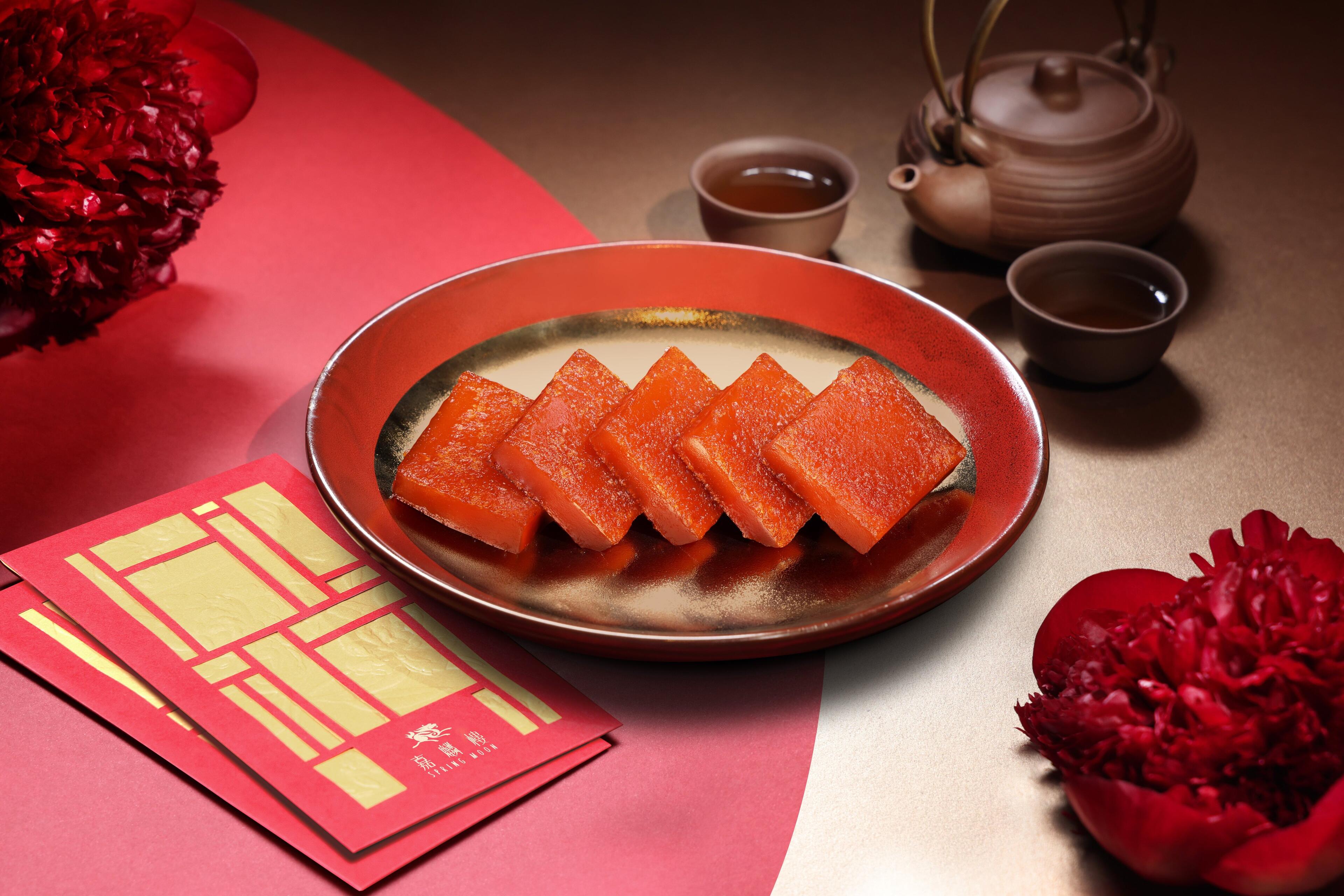
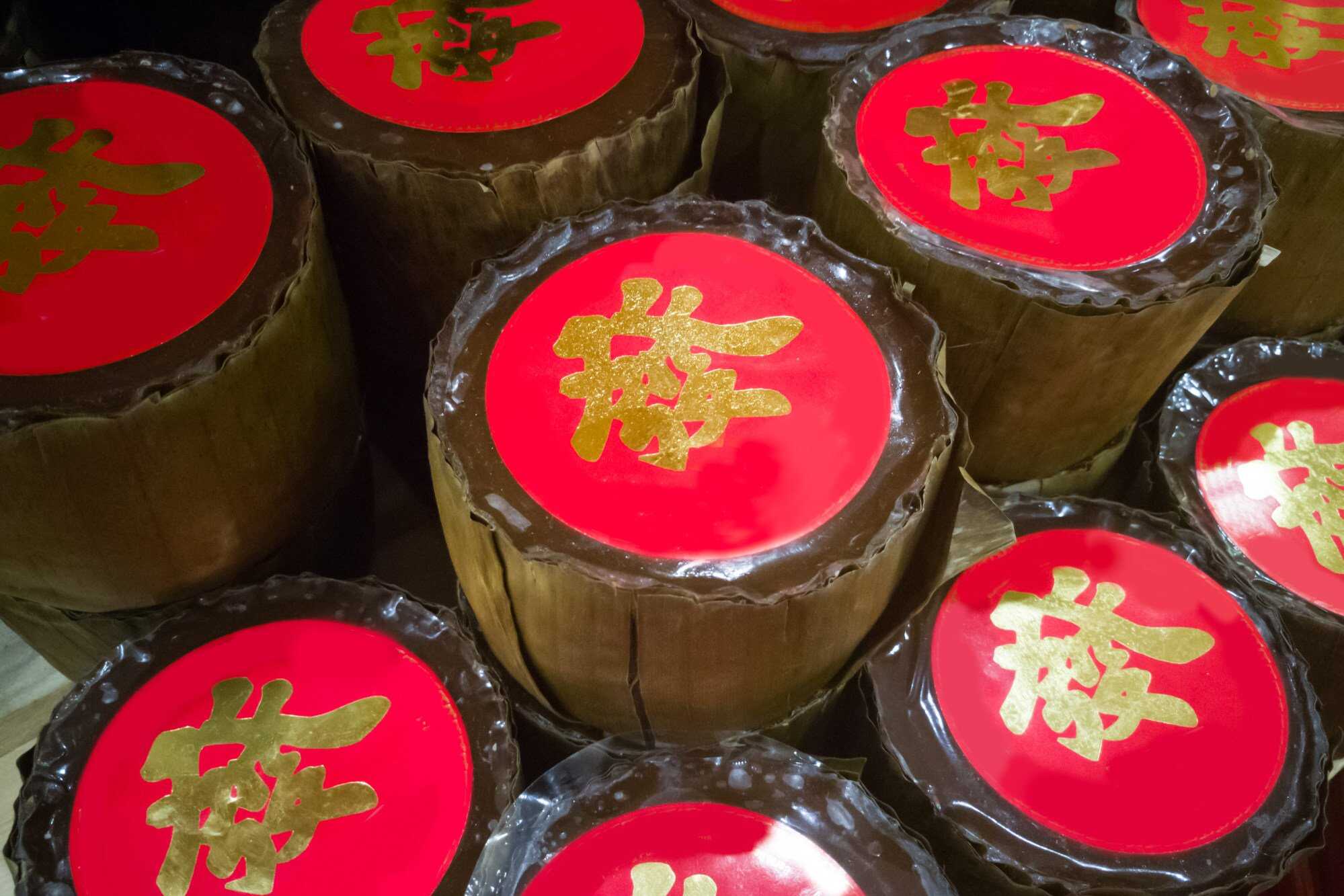
Sticky rice cakes, called nin gou, are a staple of Lunar New Year celebrations for Chinese people.
Stories behind the snack
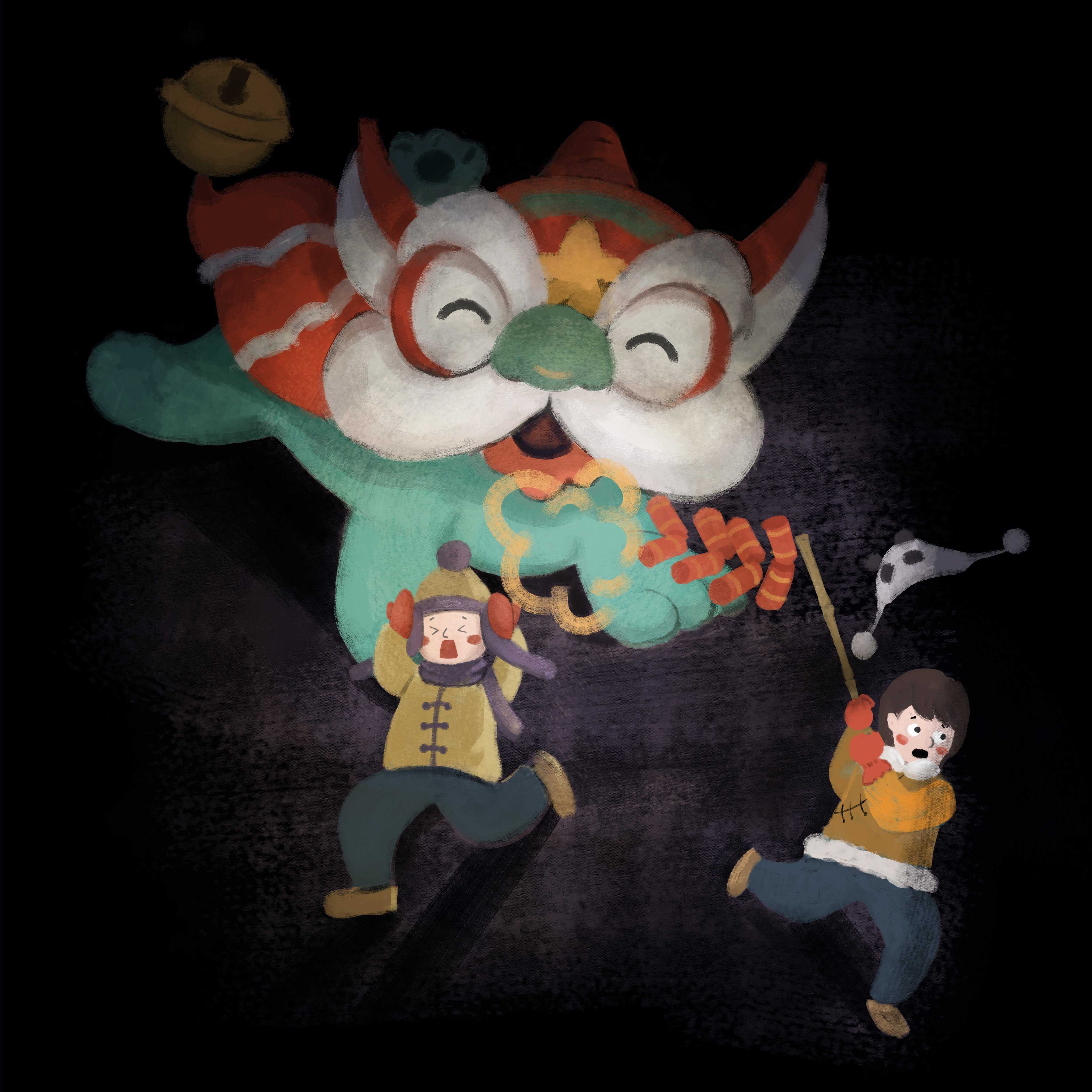
One popular legend behind nin gou involves a terrifying monster named Nian, which emerged from its cave to hunt people and livestock at the beginning of the new year. To protect the village, a man named Gao made sweet rice pastries and left them outside people’s homes.
When the monster found the pastries, it ate its fill and went back to its cave, leaving the villagers unharmed.
After this, making these cakes became a yearly tradition to keep the monster away.
Some also believe nin gou is an offering to the Kitchen God, a spirit that watches over every family and lives in their homes. Once a year, he travels to heaven to report the family’s activities to the Jade Emperor, who rewards or punishes the family based on what they have done. The sticky rice cakes “stick” the Kitchen God’s teeth together so that he cannot speak ill of the family.
Regardless of its origin, this steamed glutinous rice cake is popular during the new year because of its name – a homophone for “reaching new heights”. Thus, many believe that eating nin gou will bring in a year of growth, prosperity and success.
Nutrition facts
According to Kathy Ng Yiu-fan, who is a senior nutritionist at Kat-Spirit Nutrition Centre in Hong Kong, there are a few variations of the sticky rice cake in Hong Kong, including those made with coconut milk. The traditional version is made with glutinous rice flour, water and brown sugar slabs, which gives it a malty taste.
Ng added that glutinous rice flour provides carbohydrates for energy and contains small amounts of protein and minerals such as manganese and selenium.
Manganese is an essential mineral that supports strong bones, helps the body produce energy and improves its immune function. Selenium is an antioxidant that helps defend the body from chronic conditions such as heart disease and cancer.
Ng noted that when purchasing premade nin gou in Hong Kong, it is crucial to check the ingredients for additives.
Propionic acid (E280) and sorbic acid (E200) are commonly used to prevent mould and extend shelf life, and these are considered safe. But Ng advised avoiding ingredients like benzoic acid (E210).
“As with all foods, moderation is key,” she said. “Traditional brown sugar nin gou ... [has] a high glycaemic index, meaning it can cause a rapid spike in blood sugar levels.”
It is also a good idea to pair nin gou with unsweetened Chinese teas such as Puer and oolong to help cut the sticky, rich mouthfeel.