Difficulty: Summiteer (Level 3)
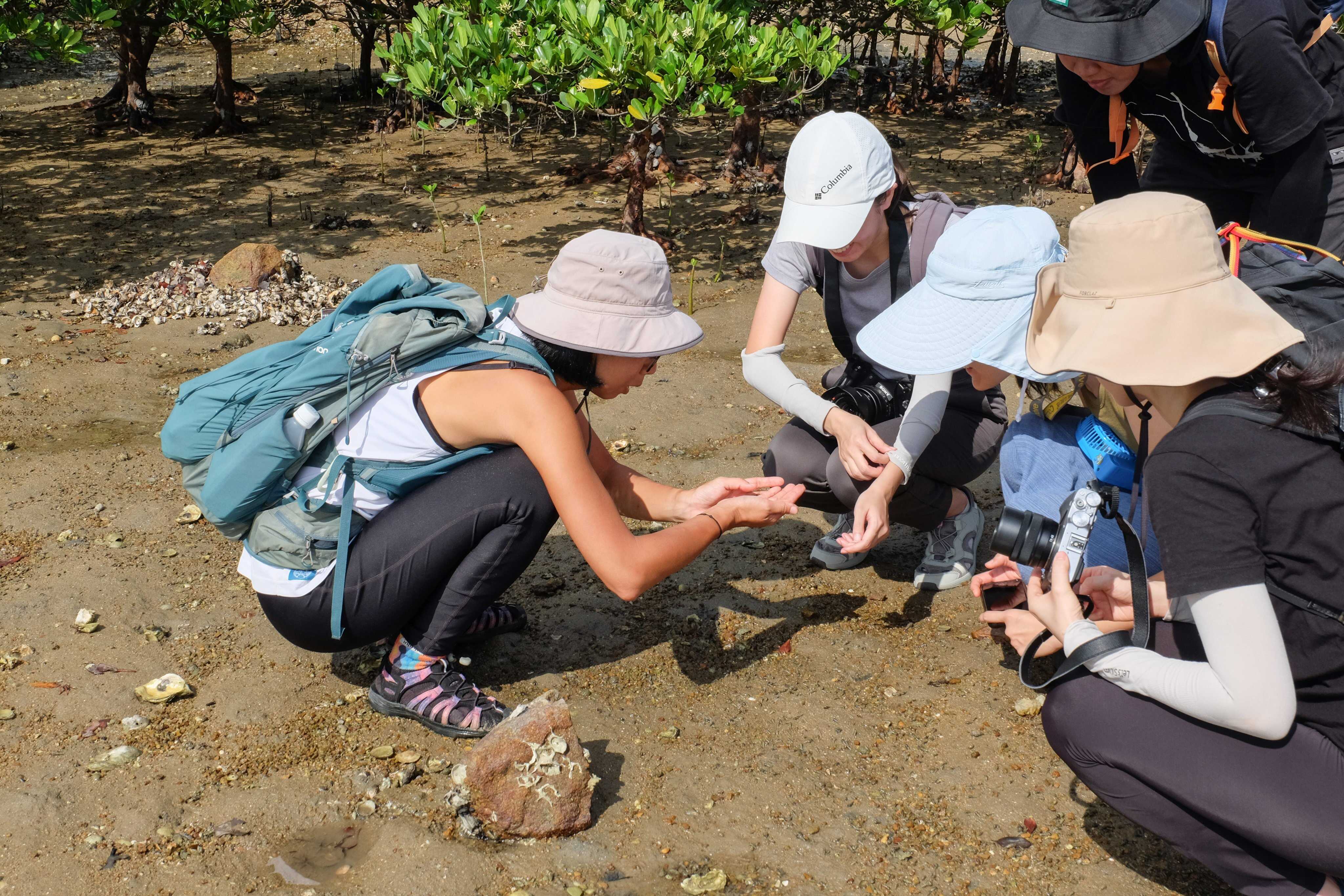
While leading educational tours last summer in Hong Kong’s mudflats, Yeung* saw the ecosystem overwhelmed by more than 200 people at a time. The environmental educator is also known as Sheeppoo.
Mudflats are special areas by the coast. They form in quiet places like bays, where soft mud and tiny bits of plant matter build up.
Yeung kept her groups small to avoid disturbing the mudflats, which are crucial to the city’s biodiversity.
But the Hongkonger noticed few others taking such precautions.
She watched them trample through the habitat, taking photos with sea stars piled or arranged around their feet, then tossing them into the water. These fragile creatures experience stress when out of water, and if they are touched, they can be easily damaged.
“Even though these groups had leaders or guides, few offered reminders or tried to stop such behaviour,” Yeung said.
In recent years, Hong Kong’s wild side has drawn a surge of tourists seeking a greener side of the city. But environmental advocates caution that the rise in these so-called ecotours is sliding into overtourism, eroding the very landscapes visitors come to appreciate.
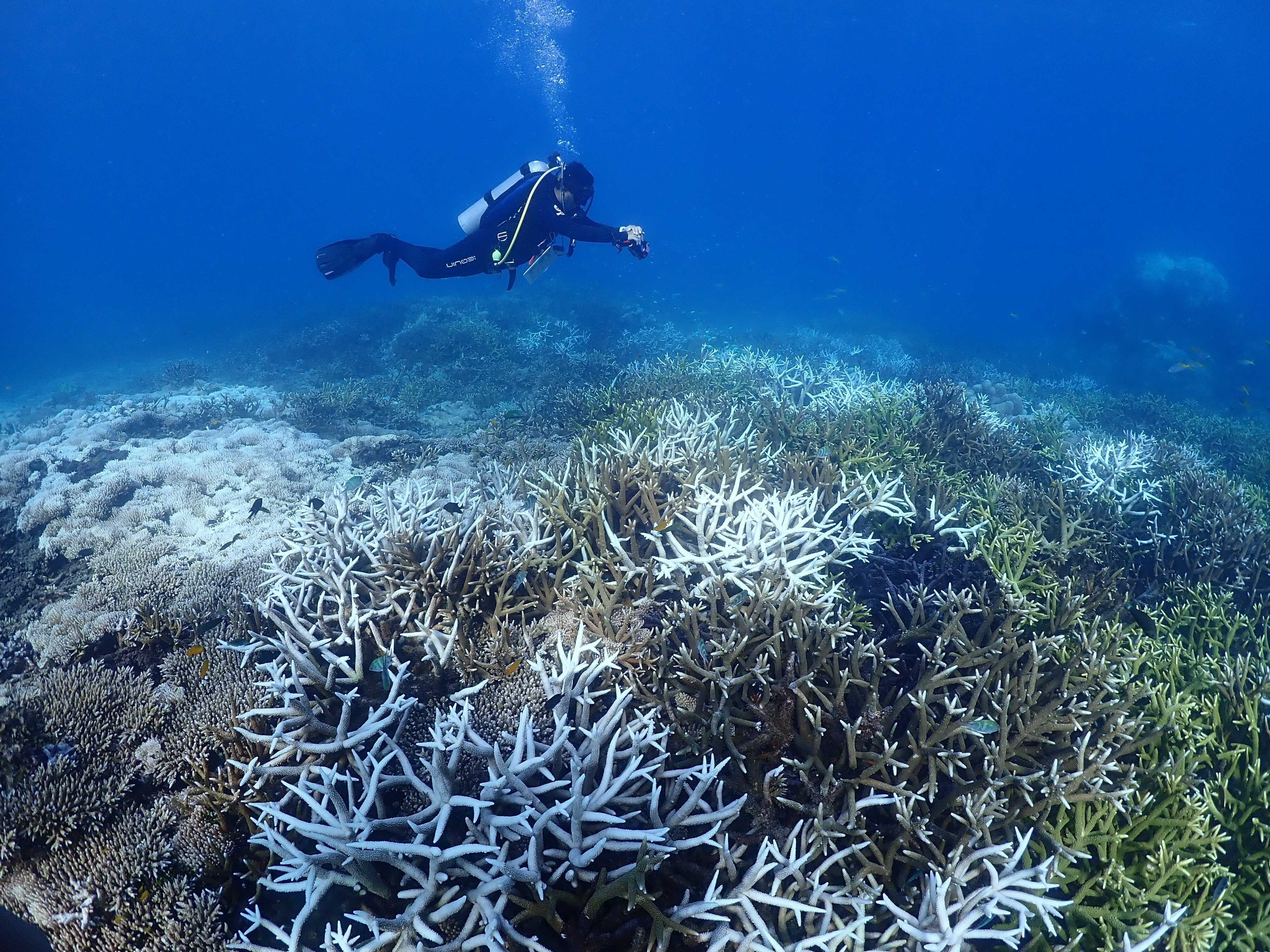
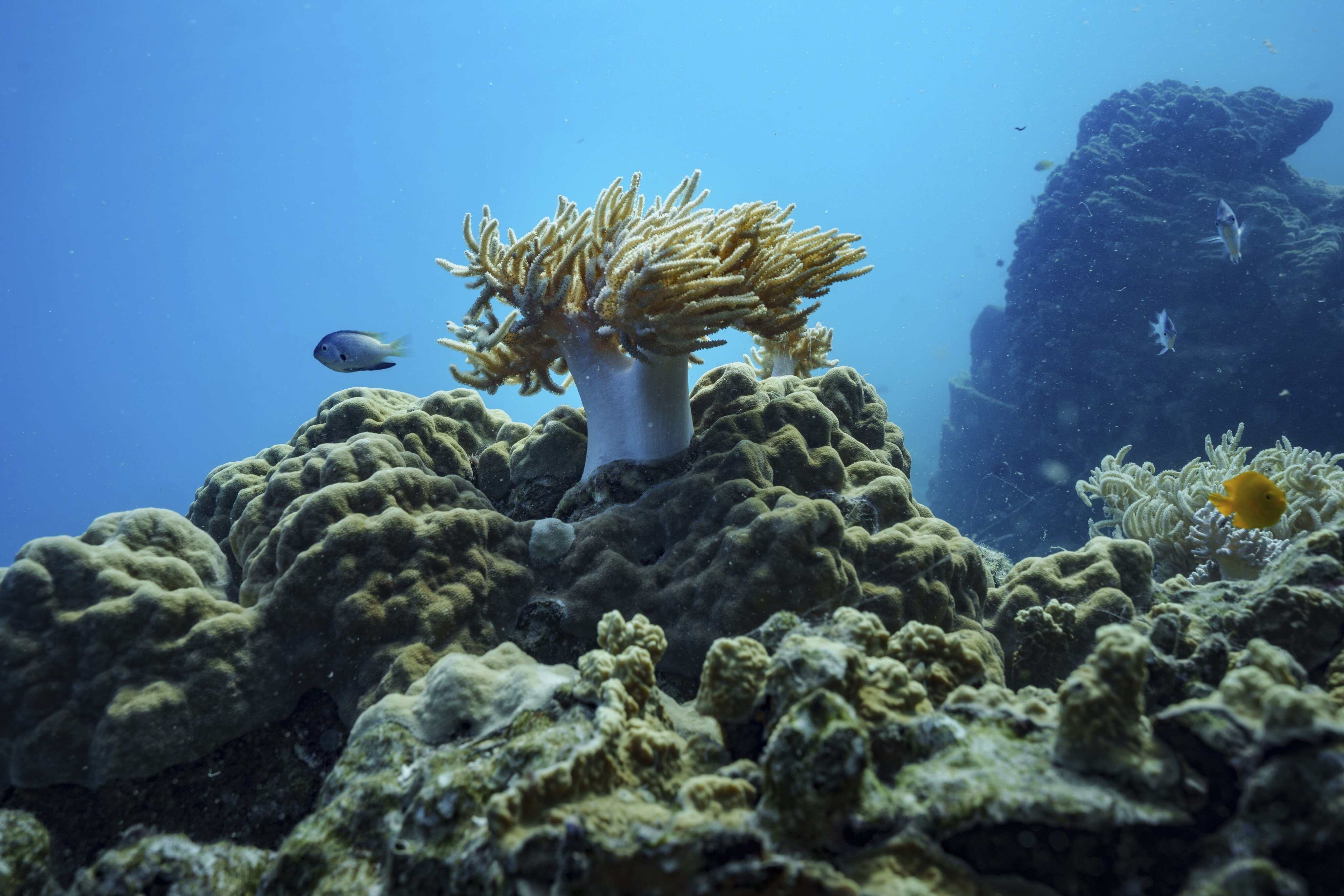
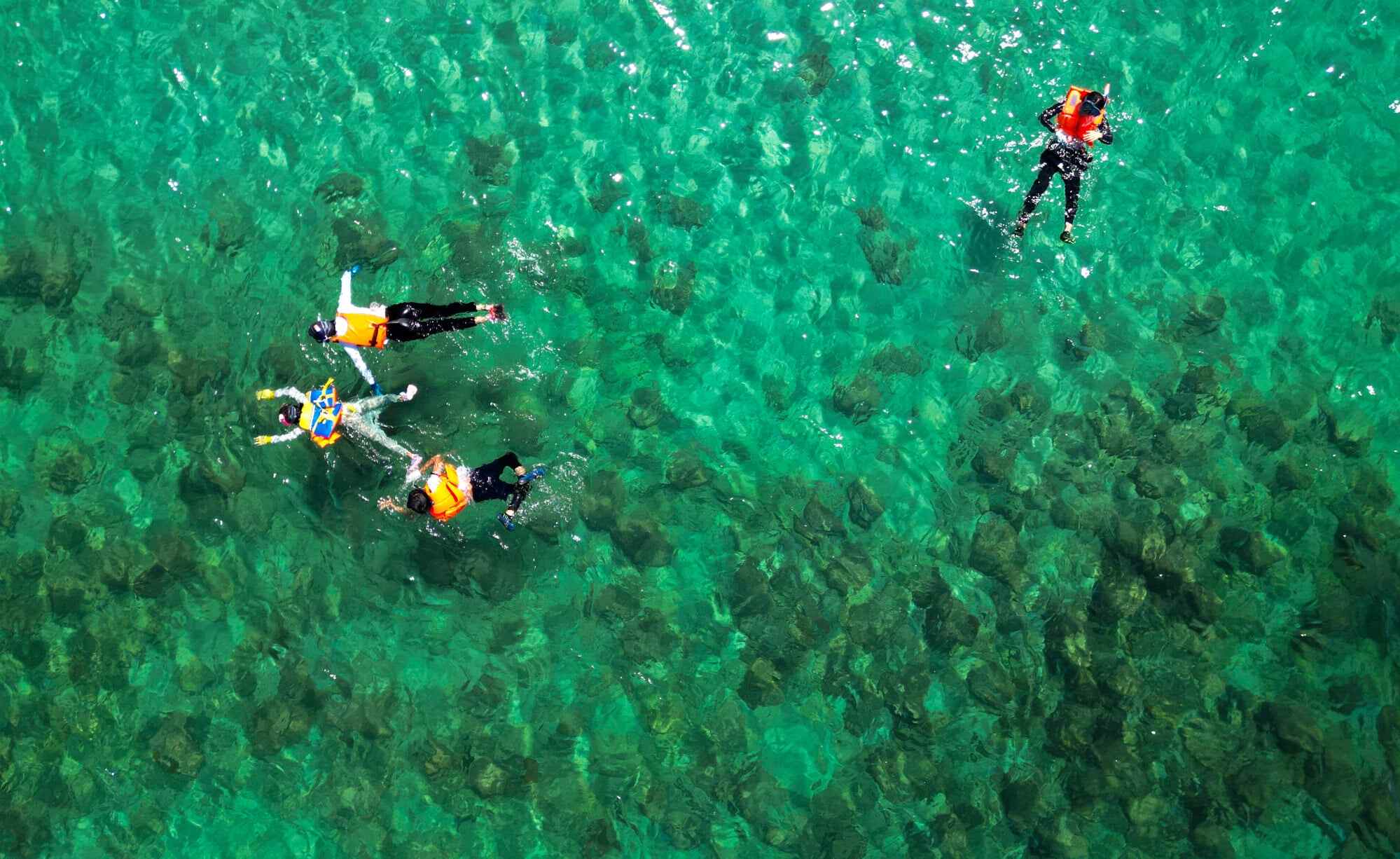
In October, Sharp Island, part of the Hong Kong Unesco Global Geopark, became a hotspot for mainland Chinese tourists after posts went viral on social media apps like RedNote. Many snorkellers also damaged the coral reefs.
Why should we prioritise conservation?
Ha Shun-kuen is a campaigner with the environmental group, Greenpeace. Both Ha and Yeung said the Sharp Island incident was a wake-up call to the harm caused by unregulated nature-based excursions.
According to Ha, many of the city’s ecologically sensitive sites are not legally protected. Thus, authorities lack the legal tools to intervene. Ha noted how Sharp Island’s corals fall outside marine parks, and its tombolo is not part of a country park.
“If the government wants to prevent further loss, it must first identify ecologically sensitive areas lacking legal protection,” he said.
How the city can do better
Ha said officials should begin by studying the ecological impact of their plans. He called for the Culture, Sports and Tourism Bureau to work with tour companies to form a comprehensive ecotourism policy.
If authorities know certain sites face seasonal surges, Ha said they should anticipate and manage the flow of visitors rather than react after damage occurs. The campaigner added that Hong Kong needed more thoughtful, long-term education efforts.
Yeung recalled seeing pupils leave rubbish along a hiking trail during a school trip.
“Teachers might ask them to clean up at the end, but by then, some rubbish has already blown into the ravine,” Yeung said. “Awareness has to begin before the outing even starts.”
She added, “The long-term approach is to teach children early so awareness grows over decades.”
*Full name withheld at interviewee’s request.