Difficulty: Challenger (Level 2)
Aaltje van Zweden struggled for years to communicate with her son, who has autism. Then, she discovered music could bridge their worlds.
Through singing nursery rhymes, her son Benjamin spoke his first words.
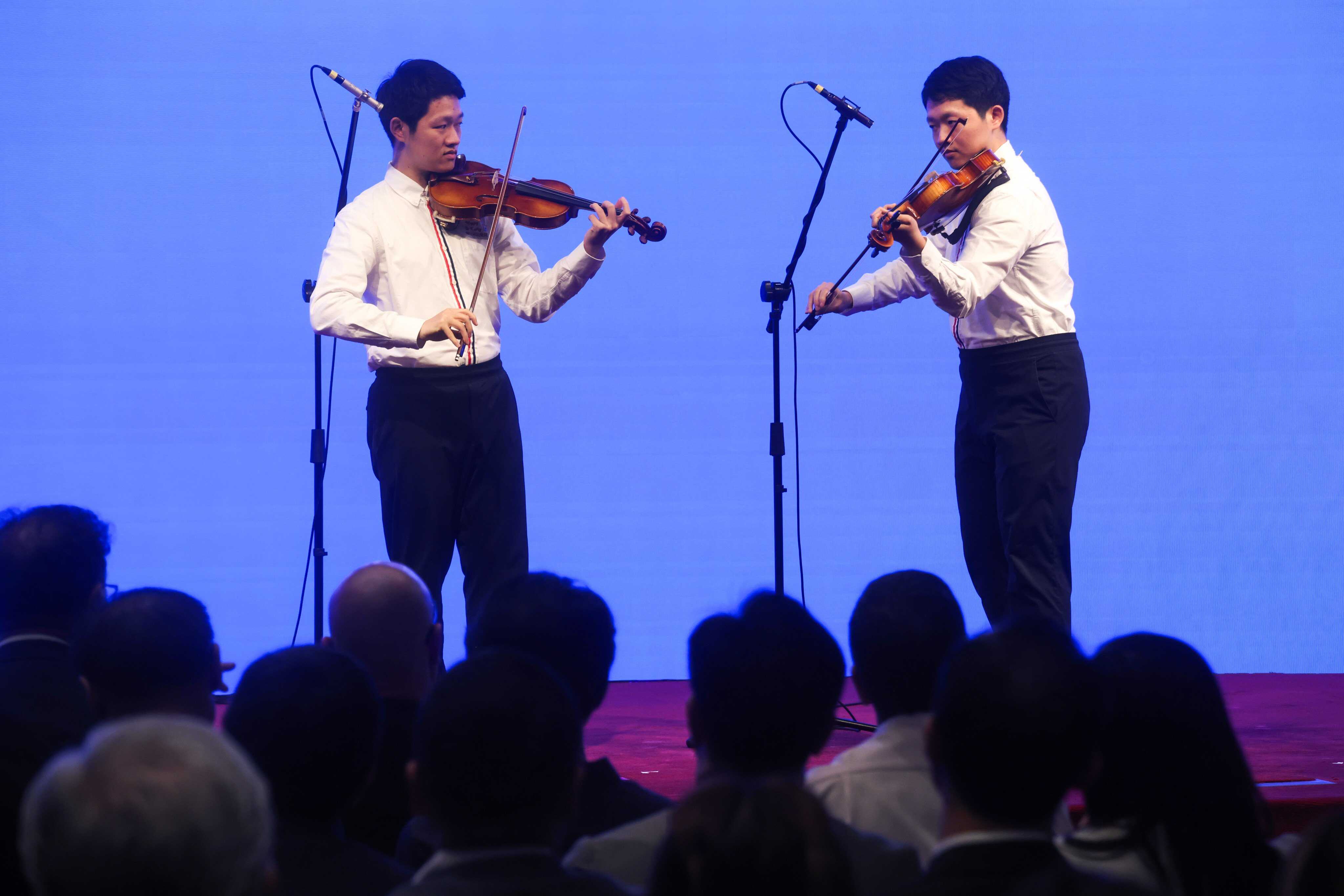
The power of music was spotlighted at a two-day event in March. “Music Heals!” 2026 Music Therapy Seminars brought together leading voices in music therapy, psychiatry, psychology and social inclusion.
It discussed the art form’s ability to heal, connect and inspire. The event, which had seminars and performances, was presented by Hong Kong Generation Next Arts.
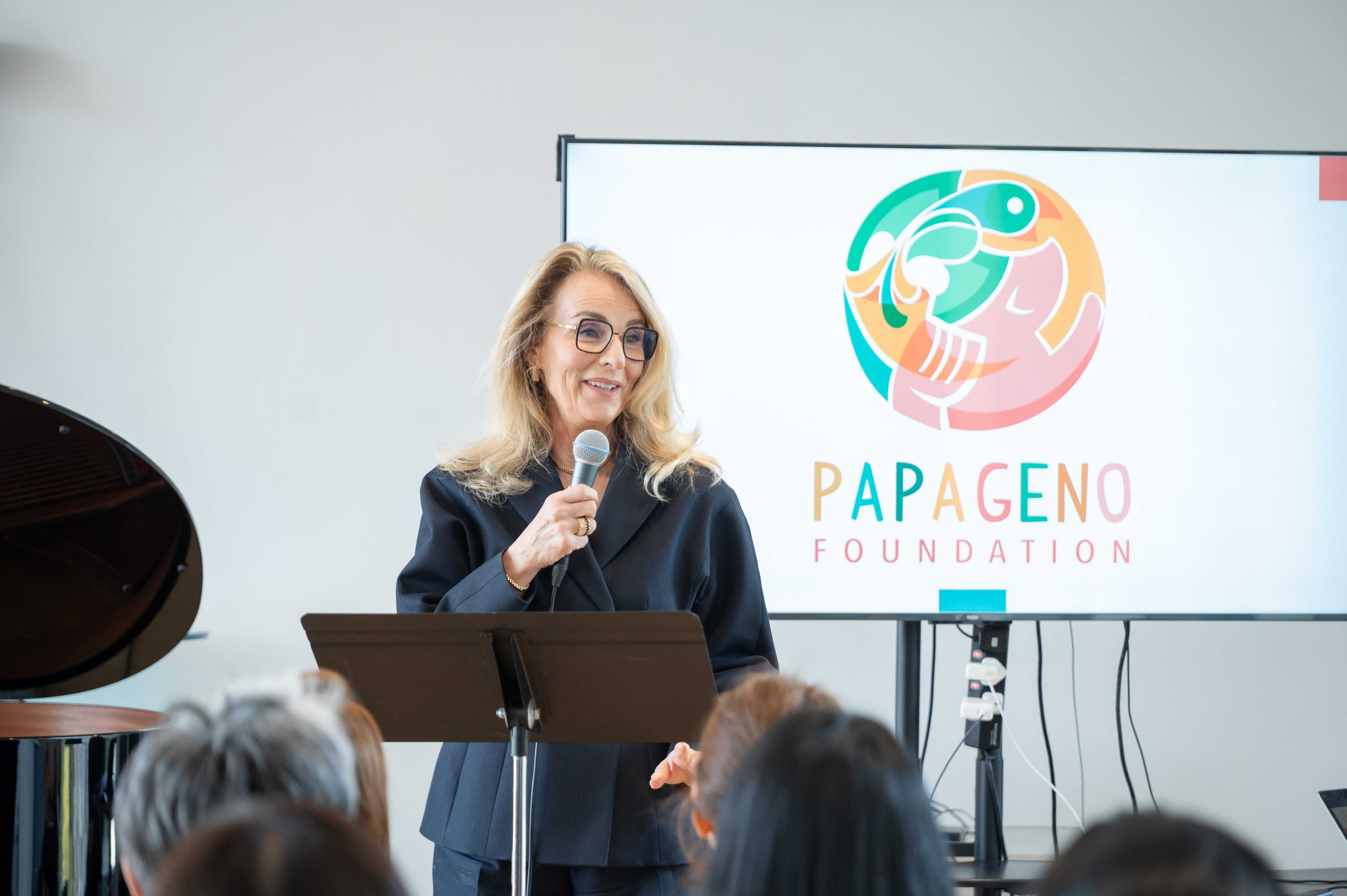
A key speaker this year was van Zweden, who is the founder of Papageno Foundation. The foundation is based in the Netherlands and focuses on using music therapy to help young people with autism.
Musical discoveries
Van Zweden noticed that Benjamin was different from the moment he was born.
“If I was trying to communicate with him, even when he was in the crib, [he would] look past [me],” she said. “It was impossible to have eye contact; he didn’t respond to all the common stuff mums and babies do.”
Over the years, medical professionals told van Zweden that Benjamin would never communicate with her. But she didn’t give up.
She realised that Benjamin liked it when she sang to him.
“That was the only way I could catch his attention,” she recalled. “Nursery rhymes [were] his whole world.”
One day, she noticed that while she sang, her son was observing her mouth. Curious, she covered her mouth with her hand during the song’s final word to see his reaction.
“He was very engaged,” she said. “He was trying to pull my hand away … He wanted me to sing the last word. And I said, ‘You try! You try to sing.’ I sang the rhythm again, and then he tried. That was the first time in his life that he tried to make a word.”
Once van Zweden made the discovery, she looked for people who could help Benjamin. Eventually, she found music therapy.
Support for children and parents
Van Zweden launched the Papageno Foundation in 1997, offering home music therapy sessions for children with autism, delivered by qualified specialists.
In 2015, she opened Papageno House, which offers young people with autism a place to live, make friends, get support and develop work experience.
Michelle Kim, the founder and artistic director of Hong Kong Generation Next Arts, said she hoped van Zweden’s story could offer hope. She believed it could shine a light on the power of music therapy, which is still in its early stages in Hong Kong.