




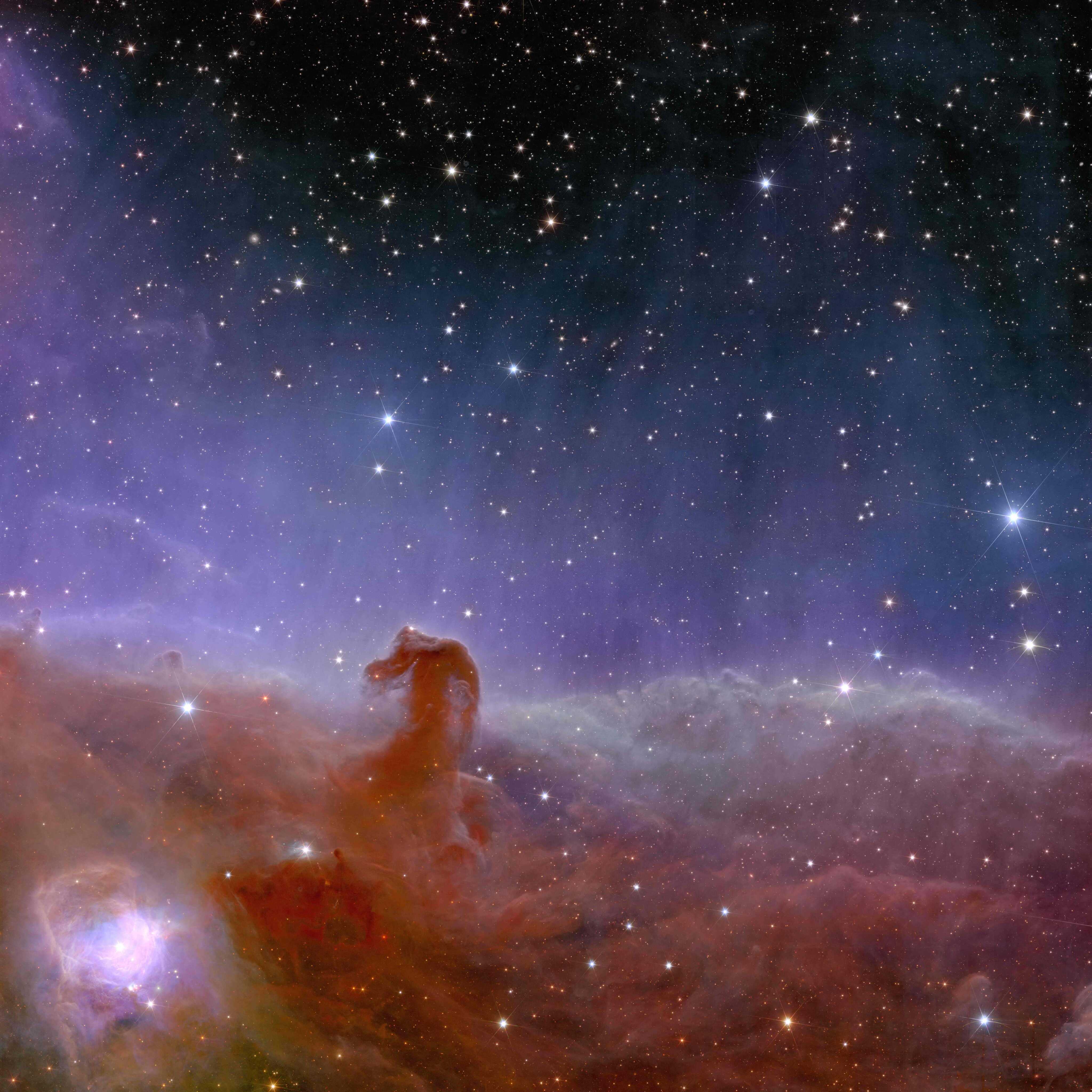
The European Space Agency’s Euclid space telescope has released its first set of images showing a range of celestial objects. For example, in just one hour, it captured in remarkable detail the Horsehead Nebula, a giant cloud of dust and gas in space that is located 1,375 light years away.
Scientists hope Euclid can help them discover new Jupiter-sized planets and young stars. Euclid scientist Jean-Charles Cuillandre noted that the images were like a “‘galactic zoo’ in terms of diversity, colours and shapes”.
Euclid has also found a globular cluster in the Milky Way galaxy. “Currently, no other telescope than Euclid can observe the entire globular cluster and … distinguish its faint stellar members,” said Euclid Consortium scientist, Davide Massari.
The Euclid telescope also revealed images of the vast Perseus Cluster containing a thousand galaxies.
