

YoungPost Club Learn
DOWNLOAD OUR APP
appstoregoogleplay
FIND US AT
My JourneyMy Vocabulary BuilderMy Leaderboard
My AccountSearchFAQAbout UsContact Us
Subscription Plan
School Subscription
YOUNG POST
NewsTrendingBeing wellLearning zoneShare with usQuizzes
SPARK
NewsTrendingBeing wellLearning zoneShare with usQuizzes
POSTIES
Big readEye on the newsHa-ha-happeningsThings to doYour saySteam studioHealth and happinessQuizzes
Subscribe to Young Post Club to access our great content
ABOUT US|CONTACT US|WRITE FOR US|PRIVACY POLICY|TERMS & CONDITIONS
©2026 Young Post Club. All rights reserved.
My Journey Hello
Brand Avatar
Young Post
My Journey illustration

With a subscription, you can answer quizzes and track your reading progress.

result
Learn new words with our vocabulary challenge!
My Journey illustration

With a subscription, you can answer quizzes and track your reading progress.

result
Learn new words with our vocabulary challenge!
My Journey illustration

With a subscription, you can answer quizzes and track your reading progress.

Read / Eye on the news

Nasa launches ground-breaking climate change satellite

The mission, called Prefire, aims to understand how clouds, humidity or melting of ice affects heat loss from the poles
byAgence France-Presse
Published: 11:45pm, 09 Jun 2024
Length: 182 words
Nasa launches ground-breaking climate change satellite

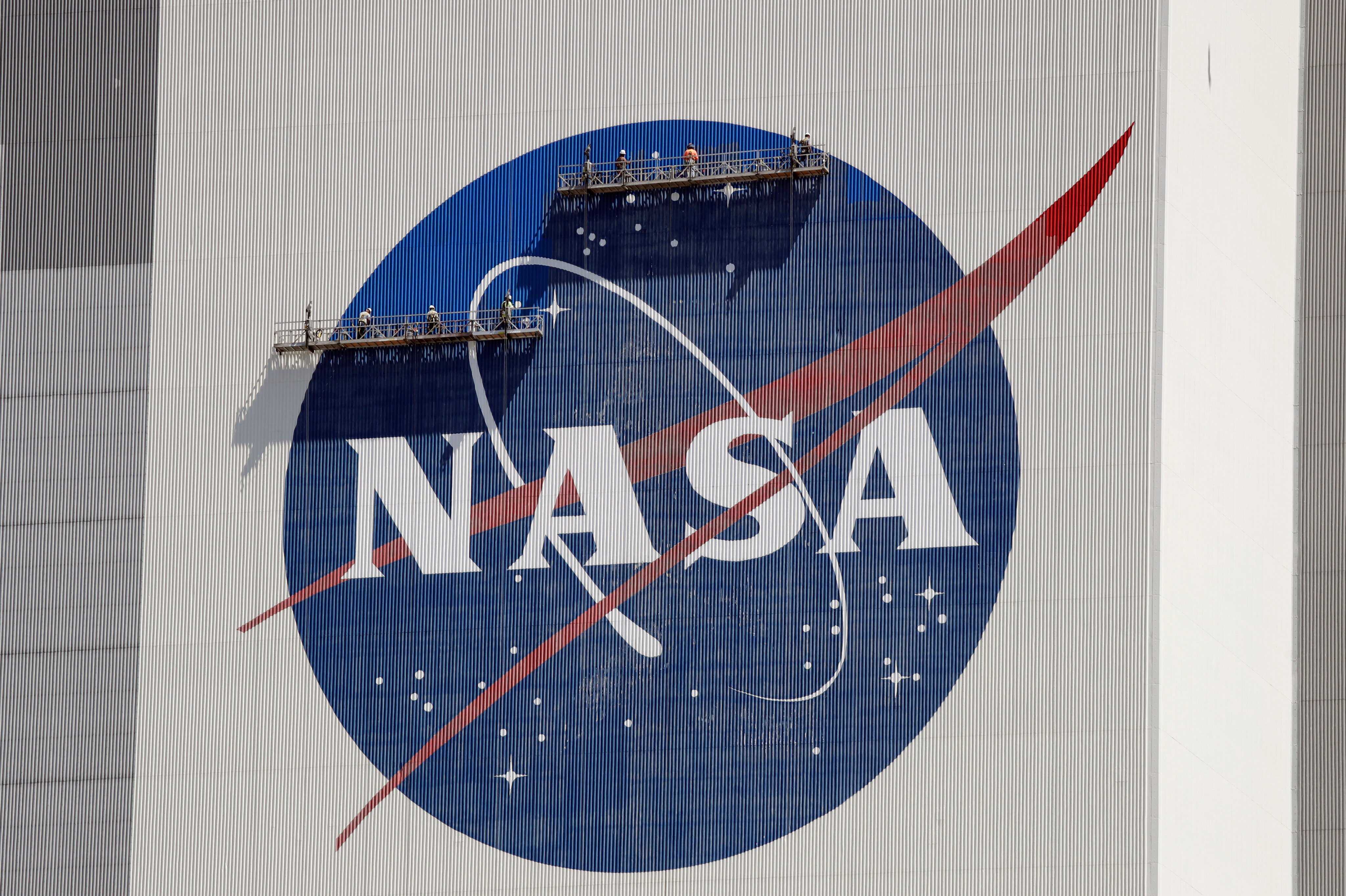
Nasa’s new satellite will study heat lost from Earth’s poles. Photo: AP

Difficulty: Summiteer (Level 3)

A tiny Nasa satellite was launched last month from New Zealand. Its mission is to improve climate change prediction by measuring heat escaping from Earth’s poles.

“This new information ... will improve our ability to model what’s happening in the poles, what’s happening in climate,” Nasa’s earth sciences research director Karen St Germain said.

The satellite is the size of a shoebox. It lifted off from Mahia in northern New Zealand.

The overall mission is called Prefire. With Prefire, Nasa aims to understand how clouds, humidity or the melting of ice into water affects heat loss from the poles.

Small satellites like this one are a low-cost way to answer very specific scientific questions, said St Germain.

Larger satellites could be thought of as “generalists” and the small ones as “specialists”, she added.

IN THIS ARTICLE
Environment
Science
United States of America
KEEP READING
cover
Eye on the news
Climate change is drying up Iraq’s marshes and killing an ancient culture
17 Dec 2023
cover
Eye on the news
A giant freezer in Copenhagen holds ancient climate change secrets
04 Dec 2023
cover
Eye on the news
How climate change is affecting Ittoqqortoormiit, an Inuit village in Greenland
23 Oct 2023