YoungPost Club Learn
DOWNLOAD OUR APP
appstoregoogleplay
FIND US AT
My JourneyMy VocabularyMy Leaderboard
My AccountSearchAbout UsContact Us
Subscription Plan
School Subscription
YOUNG POST
NewsTrendingBeing wellLearning zoneShare with usQuizzes
SPARK
NewsTrendingBeing wellLearning zoneShare with usQuizzes
POSTIES
Big readEye on the newsHa-ha-happeningsThings to doYour saySteam studioHealth and happinessQuizzes
Subscribe to Young Post Club to access our great content
ABOUT US|CONTACT US|WRITE FOR US|PRIVACY POLICY|TERMS & CONDITIONS
©2025 Young Post Club. All rights reserved.
My Journey Hello
Brand Avatar
Young Post
My Journey illustration

With a subscription, you can answer quizzes and track your reading progress.

Read / Eye on the news

Australian scientists discover world’s oldest meteorite crater

This discovery challenges our understanding of Earth’s early history and could shed light on the origins of life.
byAgence France-Presse
Published: 11:45pm, 23 Mar 2025
Length: 196 words
Australian scientists discover world’s oldest meteorite crater

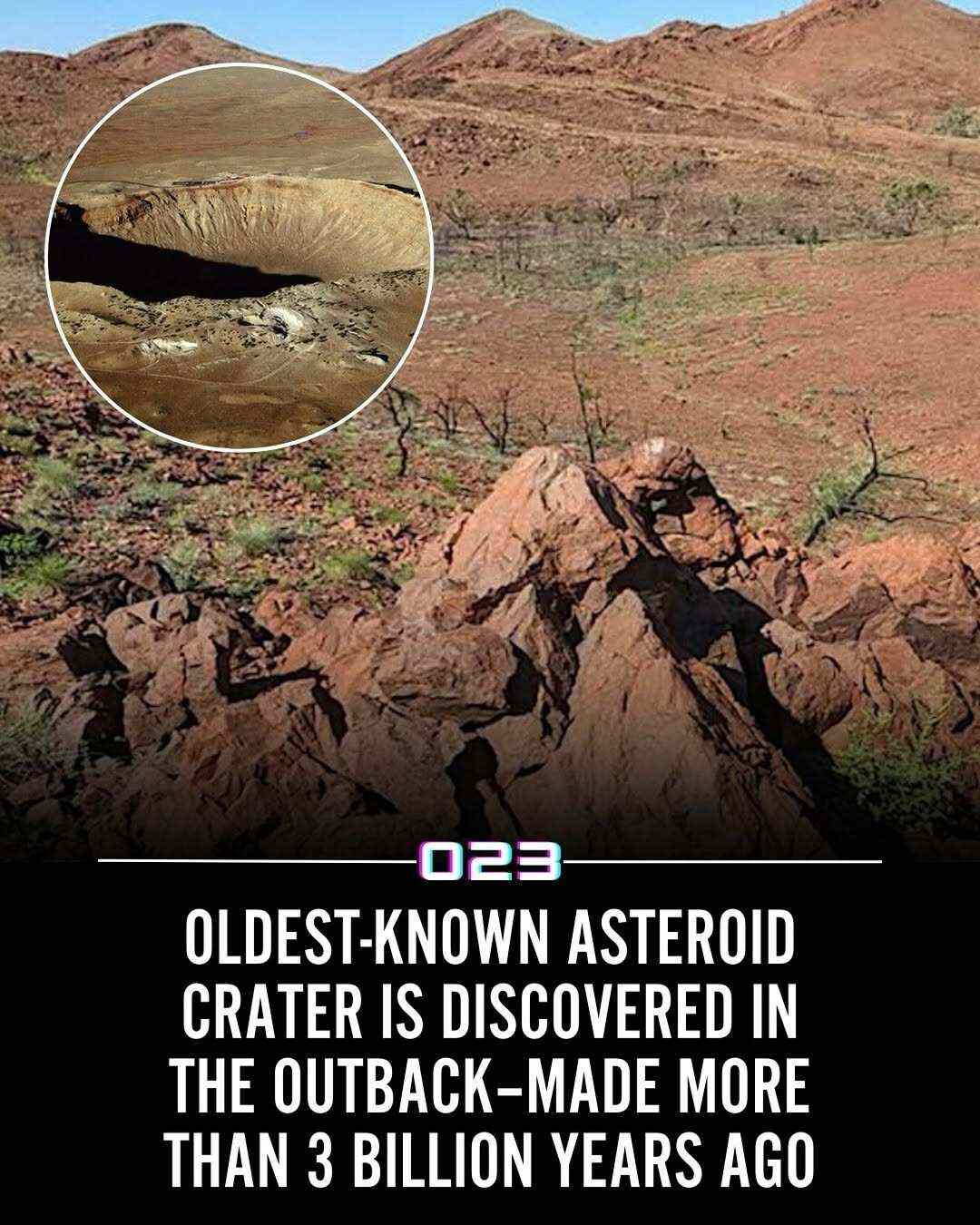
Scientists have discovered Earth’s oldest meteorite crater in Australia, dating back 3.5 billion years. Photo: Instagram/o23ecotech

Difficulty: Challenger (Level 3)

Australian scientists have recently discovered the oldest known meteorite impact crater in the world, which could change our understanding of the origins of life and Earth.

The crater is located in a remote area of northwestern Australia and “significantly challenged previous assumptions about our planet’s ancient history,” as per Curtin University researchers.

The research team examined the rock layers in the North Pole Dome and found evidence of a major meteorite impact that occurred 3.5 billion years ago.

Before this discovery, the oldest known impact crater was 2.2 billion years old, making this new crater the oldest ever found on Earth, explained study co-lead professor Tim Johnson.

The meteorite is believed to have struck the area at speeds over 36,000km (22,000 miles) per hour, creating a crater larger than 100km wide and potentially sending debris flying around the globe, as stated in the study.

Answer: 3.5 billion years old

IN THIS ARTICLE
News from Australia and Oceania

KEEP READING
cover
Things to do
Activities to help you learn how spaceships break through Earth’s atmosphere
12 Jan 2025
cover
STEAM studio
From tiny mammals to giants: the rise and fall of Earth’s colossal creatures
08 Dec 2024
cover
Eye on the news
Scientists may have found the origin of the asteroid that wiped out dinosaurs
02 Sep 2024