YoungPost Club Learn
DOWNLOAD OUR APP
appstoregoogleplay
FIND US AT
My JourneyMy VocabularyMy Leaderboard
My AccountSearchAbout UsContact Us
Subscription Plan
School Subscription
YOUNG POST
NewsTrendingBeing wellLearning zoneShare with usQuizzes
SPARK
NewsTrendingBeing wellLearning zoneShare with usQuizzes
POSTIES
Big readEye on the newsHa-ha-happeningsThings to doYour saySteam studioHealth and happinessQuizzes
Subscribe to Young Post Club to access our great content
ABOUT US|CONTACT US|WRITE FOR US|PRIVACY POLICY|TERMS & CONDITIONS
©2025 Young Post Club. All rights reserved.
My Journey Hello
Brand Avatar
Young Post
My Journey illustration

With a subscription, you can answer quizzes and track your reading progress.

Read / Eye on the news

China’s ancient porcelain capital captivates younger generation

Learn why Jingdezhen in China’s eastern Jiangxi province is a ceramic heaven
byXinhua
Published: 11:30pm, 03 Aug 2025
Length: 214 words
China’s ancient porcelain capital captivates younger generation

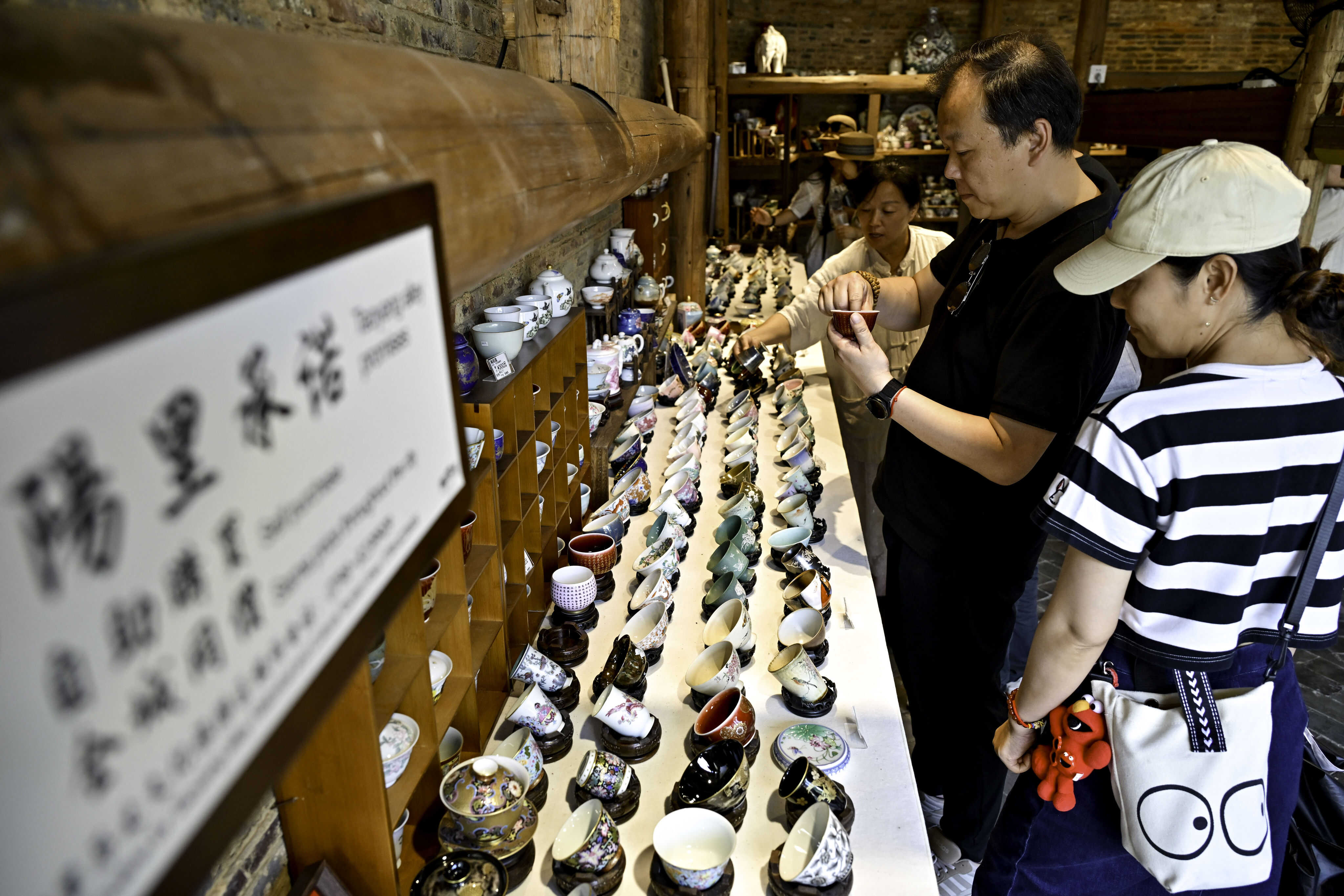
Jingdezhen, China’s porcelain hub, attracts young artists, thriving through livestreaming and rich ceramic heritage. Photo: Xinhua

Difficulty: Summiteer (Level 3)

Zha Fuyuan, 33, has a studio in Jingdezhen in China’s eastern Jiangxi province. An avid painting enthusiast, Zha moved to the city 10 years ago after graduating to chase his artistic dreams.

The city has over 2,000 years of ceramics-making history. It is often called China’s porcelain capital.

Earlier, it was challenging for Zha to make a living, but his designs have gained widespread popularity through live streaming platforms. He now earns over 400,000 yuan (about HK$437,555) a year.

If you are willing to work hard, Jingdezhen will not let you down, Zha said.

Zha is one of over 100,000 young people who are building their future in Jingdezhen. More than half of the new residents seeking opportunities in the city were born after 1990.

But why is Jingdezhen so popular with young creatives? In 2000, 10 major ceramic factories closed down. These factories used to produce nearly half of China’s household ceramics. About 100,000 ceramic workers stayed in the city, and the ceramic-making infrastructure was left intact. It became the perfect environment for newcomers to learn the craft.


IN THIS ARTICLE
China
Art
KEEP READING
cover
Eye on the news
Discover China’s ancient tree sanctuaries hidden in temple grounds
29 Jun 2025
cover
Eye on the news
China’s coffee revolution sees youth swapping tea for lattes
18 May 2025
cover
Eye on the news
Ming dynasty shipwrecks’ artefacts offer new clues to ancient trade route
30 Jun 2024