Difficulty: Explorer (Level 1)
Are you planning to spend your winter break playing online games? Be sure to watch out for scams!
Danger of online scams
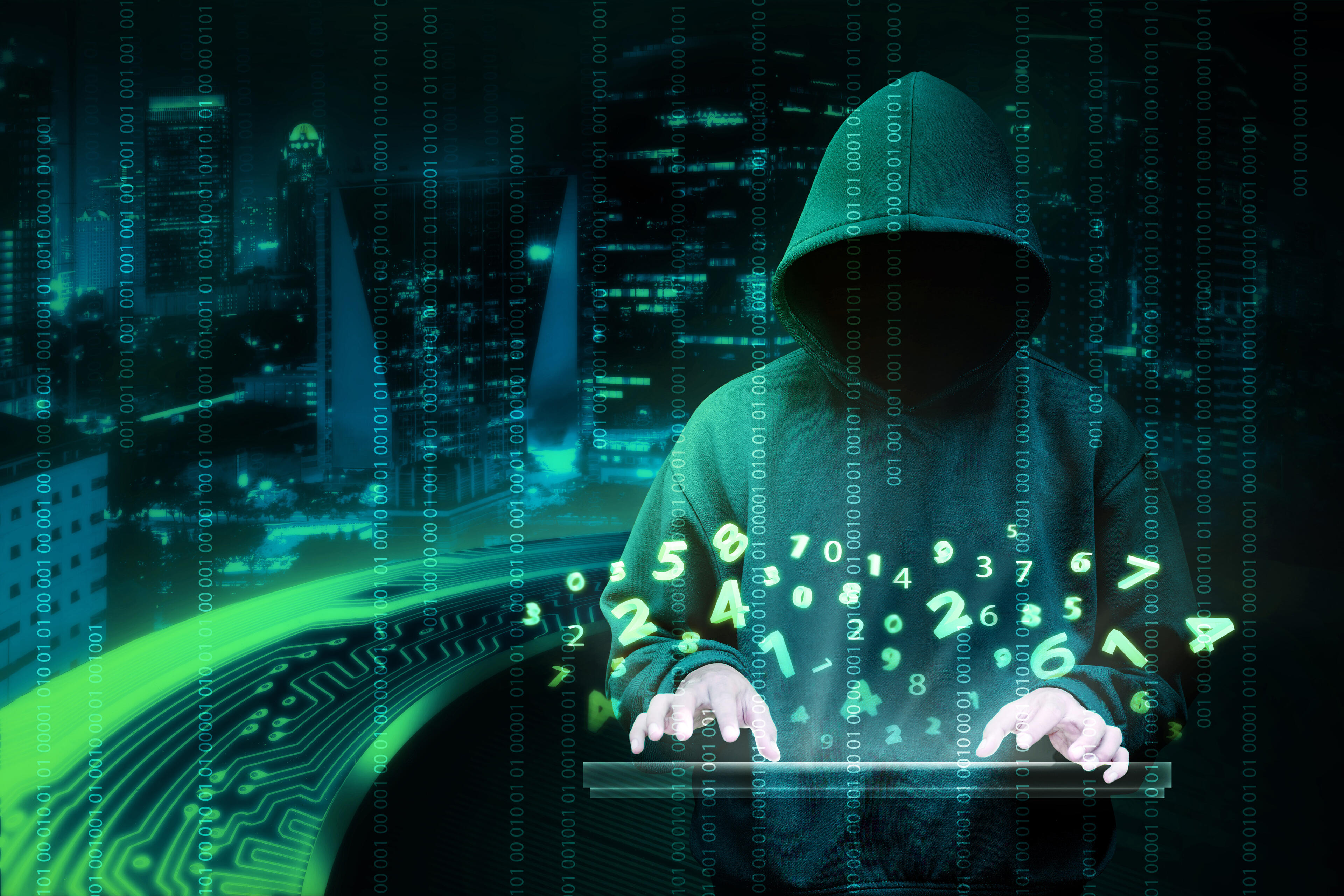
Minecraft and Roblox are popular games. However, these platforms can have many scammers. Some might even pretend to be a kid. They may try to trick you into giving them your personal information or money. They might also try hacking into your device.
One common scam is a fake website. These websites pretend to give away in-game currencies, like V-Bucks for Fortnite and Robux for Roblox, or avatar skins. They might trick you into downloading files that have viruses. These viruses could steal your information.
Some scammers or fake websites ask you to share your account information or your parents’ credit card details. Others may tell you to click on ads or go to other websites to get free things. These sites usually have ways to get your private account information.
If you fall into these traps, you could lose your account. Your device could be hacked. You could also cause your parents to lose a lot of money.
How can I avoid these scams?
Double-check that the websites you visit are real by searching online to see if they are official sites.
Be cautious when a website or user asks for your personal information, such as your password, birthday, address or credit card information.
Never download files from a website unless you check with your parents first. Ask your parents to install security software on your device. This can alert you when unwanted applications are downloaded.
Ask your parents’ permission before purchasing anything online.
Change your passwords every three months. Create unique passwords to stop other people from logging into your accounts.
Think about it
-
How can you keep yourself safe from scammers on the internet?
-
What other online scams have you heard of? How can you spot them?