YoungPost Club Learn
DOWNLOAD OUR APP
appstoregoogleplay
FIND US AT
My JourneyMy VocabularyMy Leaderboard
My AccountSearchAbout UsContact Us
Subscription Plan
School Subscription
YOUNG POST
NewsTrendingBeing wellLearning zoneShare with usQuizzes
SPARK
NewsTrendingBeing wellLearning zoneShare with usQuizzes
POSTIES
Big readEye on the newsHa-ha-happeningsThings to doYour saySteam studioHealth and happinessQuizzes
Subscribe to Young Post Club to access our great content
ABOUT US|CONTACT US|WRITE FOR US|PRIVACY POLICY|TERMS & CONDITIONS
©2025 Young Post Club. All rights reserved.
My Journey Hello
Brand Avatar
Young Post
My Journey illustration

With a subscription, you can answer quizzes and track your reading progress.

Read / STEAM studio

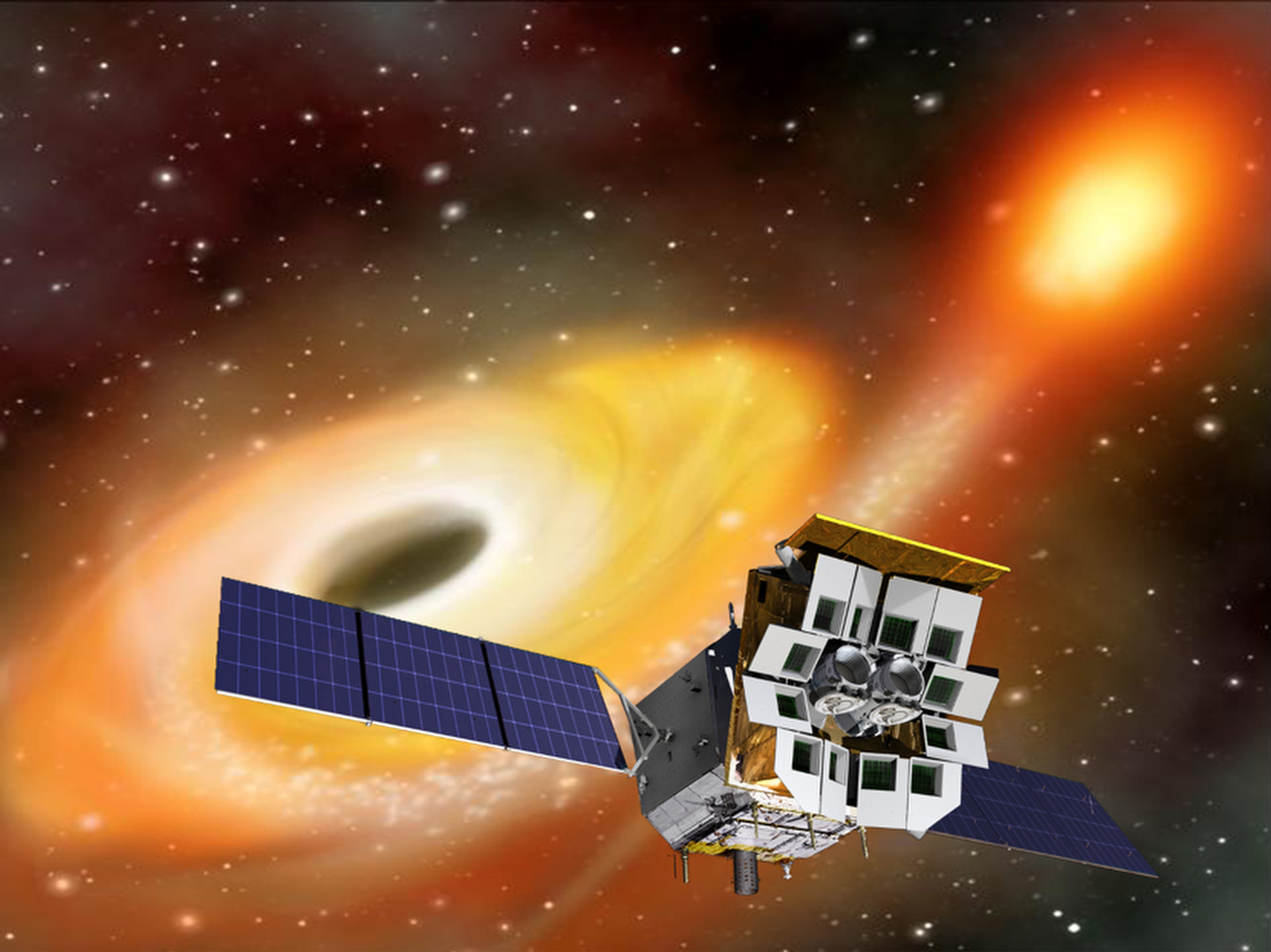
The first 'lobster eye' telescope

byLing Xin
Published: 4:23am, 04 Jan 2023
Length: 117 words
The first 'lobster eye' telescope

Photo: EP team/National Astronomical Observatory of China

China has tested the world's first "lobster eye" space telescope. It will allow scientists to capture X-ray images of the universe.

At 500km above the Earth, the 53kg Lobster Eye Imager for Astronomy (LEIA) took high-quality images of X-ray sources – including the centre of our galaxy, the Magellanic Clouds and the Scorpius constellation.

"We are very excited about LEIA's results. They show that our technology works," said astrophysicist Yuan Weimin, the mission's chief scientist.

LEIA's technology will be used on the Einstein Probe, a much larger telescope that is being built by Chinese and European scientists. It will be sent into orbit next year to improve our understanding of the X-ray universe.


KEEP READING
cover
Eye on the news
How quasars are formed when galaxies collide
03 May 2023
cover
STEAM studio
How did scientists discover the layers above us?
15 Mar 2023
cover
STEAM studio
Where is Asia’s largest observatory?
01 Mar 2023