

YoungPost Club Learn
DOWNLOAD OUR APP
appstoregoogleplay
FIND US AT
My JourneyMy VocabularyMy Leaderboard
My AccountSearchAbout UsContact Us
Subscription Plan
School Subscription
YOUNG POST
NewsTrendingBeing wellLearning zoneShare with usQuizzes
SPARK
NewsTrendingBeing wellLearning zoneShare with usQuizzes
POSTIES
Big readEye on the newsHa-ha-happeningsThings to doYour saySteam studioHealth and happinessQuizzes
Subscribe to Young Post Club to access our great content
ABOUT US|CONTACT US|WRITE FOR US|PRIVACY POLICY|TERMS & CONDITIONS
©2025 Young Post Club. All rights reserved.
My Journey Hello
Brand Avatar
Young Post
My Journey illustration

With a subscription, you can answer quizzes and track your reading progress.

Read / STEAM studio

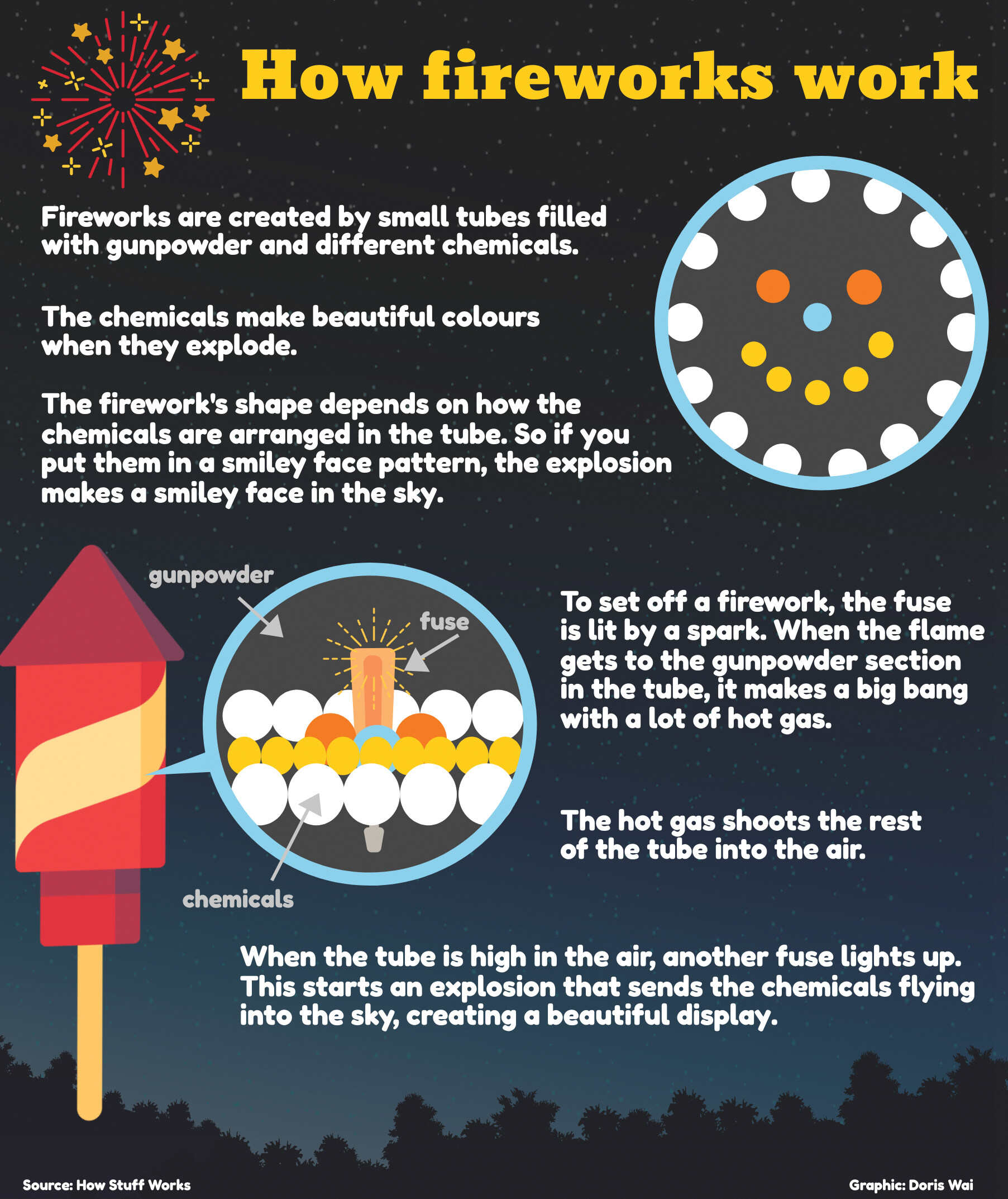
History of fireworks and the science behind how they create colourful patterns in the sky

byCharlotte Kwan
Published: 10:45pm, 24 Sep 2023
Length: 162 words
History of fireworks and the science behind how they create colourful patterns in the sky

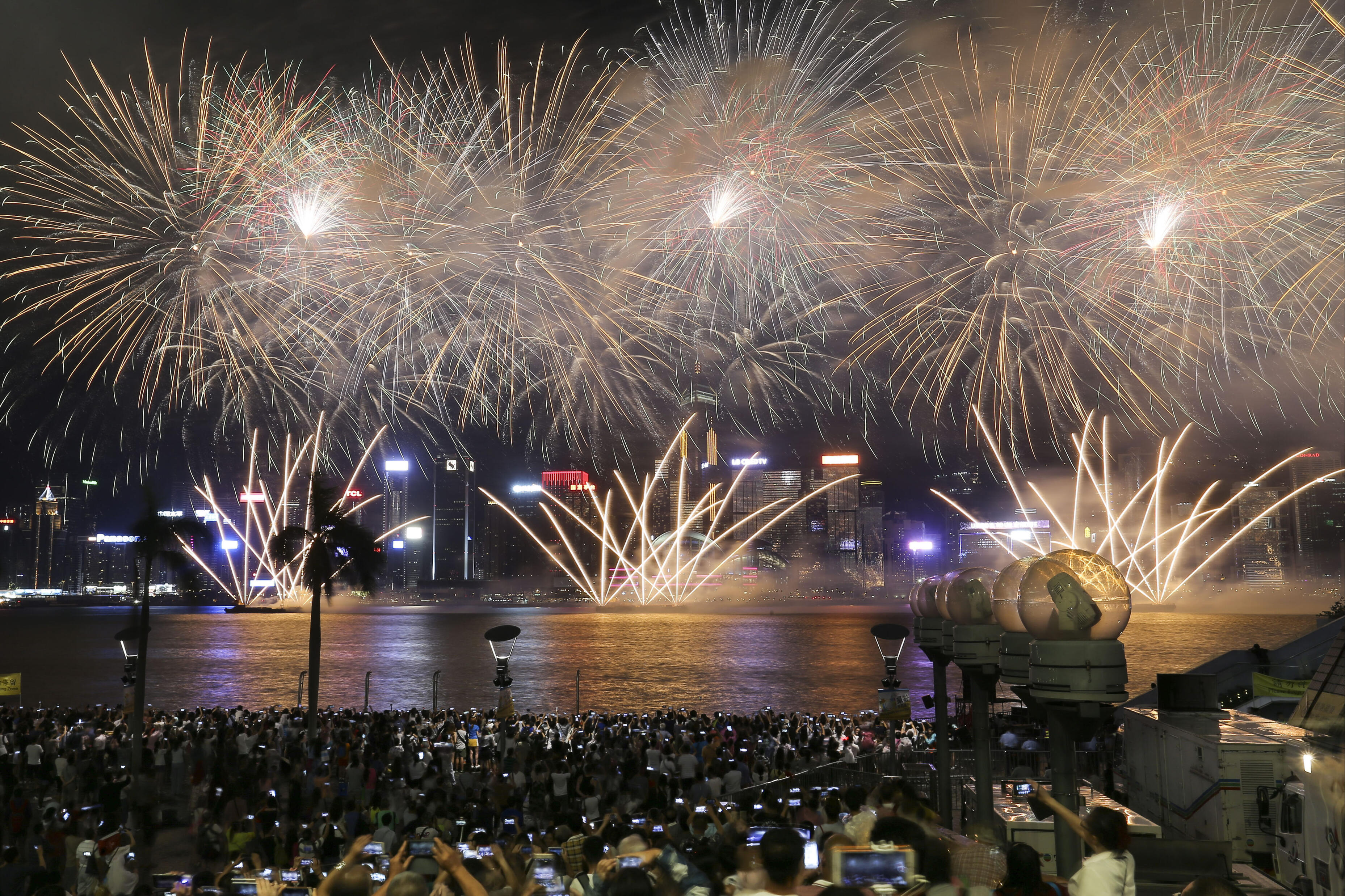
The National Day fireworks display from Victoria Harbour in Hong Kong. Photo: Dickson Lee

The first firecrackers were invented in China around 200 BC. People back then would light up bamboo stalks to make a loud crackling noise. Eventually, the air inside the stalks would explode.

Hundreds of years later, around AD 800. Chinese chemists put gunpowder into the bamboo shoots and tossed them into a fire pit to create bigger explosions. They believed this would scare away demons.

In the 1830s, people in Italy used metal and explosives to make colourful fireworks.

Now, people around the world use fireworks for special holidays and festivals, such as Easter Sunday, New Year’s Eve and countries’ birthdays.

Hong Kong celebrates National Day with a fireworks show every October 1. This year will be the first extravaganza in five years and will portray eight scenes designed to boost hope.
IN THIS ARTICLE
China
Learning