YoungPost Club Learn
DOWNLOAD OUR APP
appstoregoogleplay
FIND US AT
My JourneyMy VocabularyMy Leaderboard
My AccountSearchAbout UsContact Us
Subscription Plan
School Subscription
YOUNG POST
NewsTrendingBeing wellLearning zoneShare with usQuizzes
SPARK
NewsTrendingBeing wellLearning zoneShare with usQuizzes
POSTIES
Big readEye on the newsHa-ha-happeningsThings to doYour saySteam studioHealth and happinessQuizzes
Subscribe to Young Post Club to access our great content
ABOUT US|CONTACT US|WRITE FOR US|PRIVACY POLICY|TERMS & CONDITIONS
©2025 Young Post Club. All rights reserved.
My Journey Hello
Brand Avatar
Young Post
My Journey illustration

With a subscription, you can answer quizzes and track your reading progress.

Read / STEAM studio

How animals choose to snooze

Penguins take thousands of tiny naps a day; walruses go without sleep for 84 hours
byAgence France-Presse, Doris Wai
Published: 10:45pm, 28 Jan 2024
Length: 229 words
How animals choose to snooze

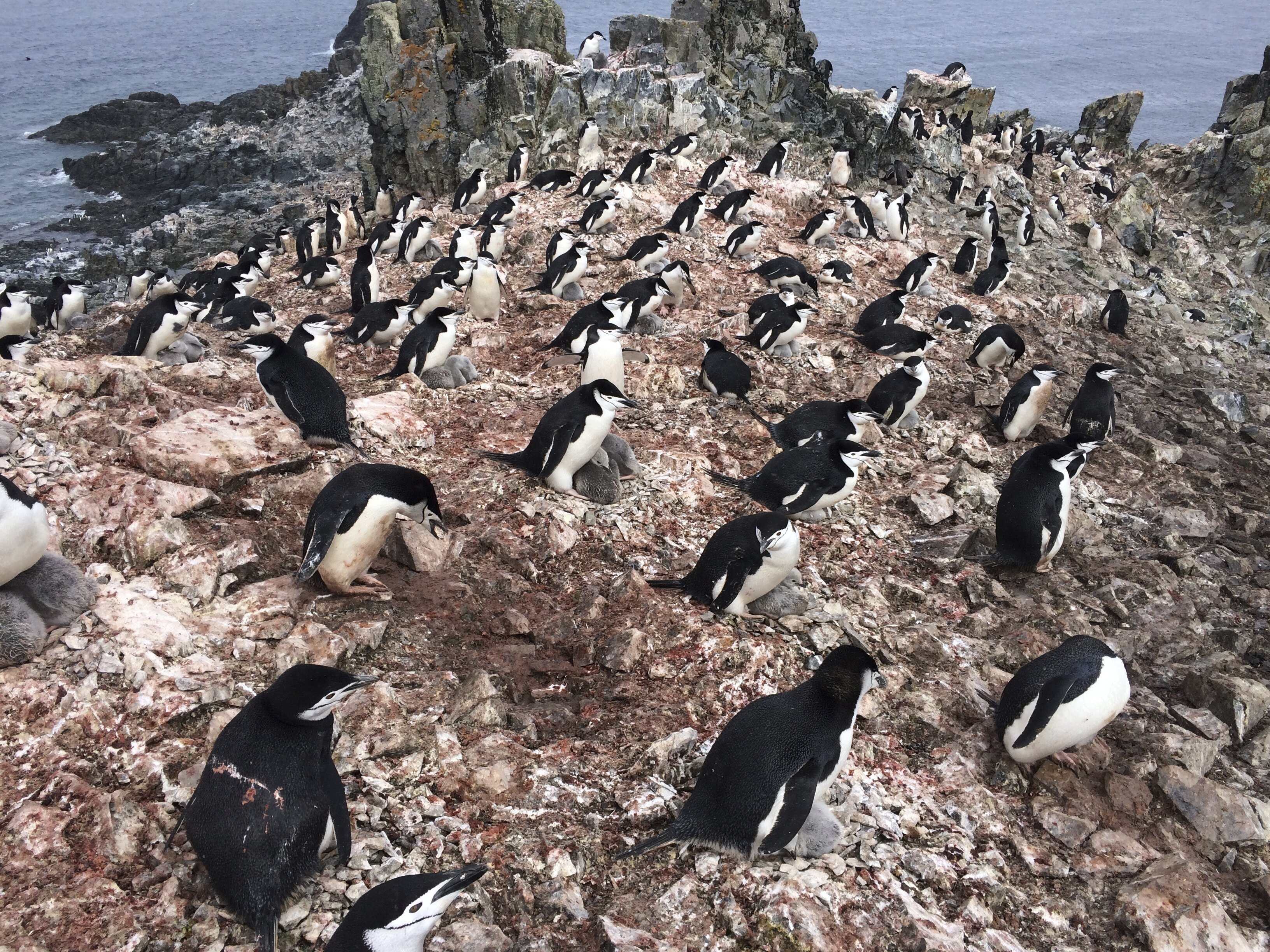
Researchers have discovered that some penguin parents sleep for only seconds at a time around-the-clock to protect their eggs and chicks. Photo: AP

In humans, falling asleep for a few seconds during the day is a sign we need more sleep.

A new study published in November found that chinstrap penguins take short naps thousands of times every day. And the naps are about just four seconds each because they need to stay alert for threats.

Chinstrap penguins get their name for the thin black band of feathers around their heads that look just like a little strap.

Scientists think they are the most common penguin species, with almost 8 million penguin couples found mainly on the Antarctic Peninsula and South Atlantic Ocean islands.

When nesting, one parent penguin has to keep watch over the eggs, guarding them from predatory birds called skuas while their partners is away for days hunting for food.

They also have to defend their nests from other penguins that might try to steal materials for building nest. Once a penguin partner finally returns, the couple switches roles.

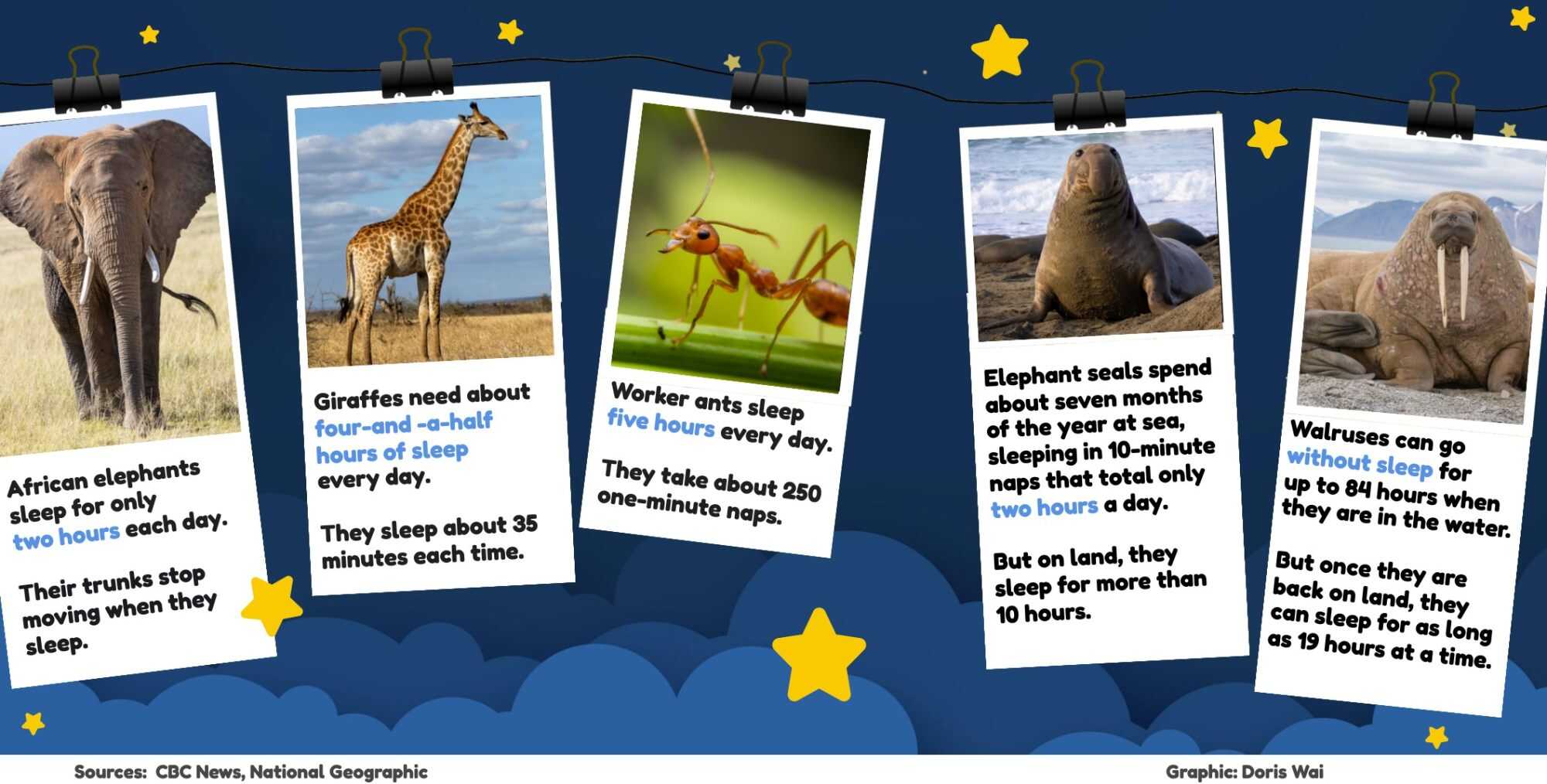
The researchers who did the study say this showed that lots of short naps can work too for some animals. For them, even small bits of sleep can add up and be useful (see graphic).

IN THIS ARTICLE
Animals

KEEP READING
cover
Big read
Why are these Hong Kong beekeepers so passionate about saving bees?
17 Dec 2023
cover
Ha-ha-happenings
Holy camel: write a fun caption for this story about animals attending Catholic mass
08 Oct 2023
cover
STEAM studio
A recently discovered whale may be the heaviest animal ever
09 Aug 2023