Difficulty: Challenger (Level 2)
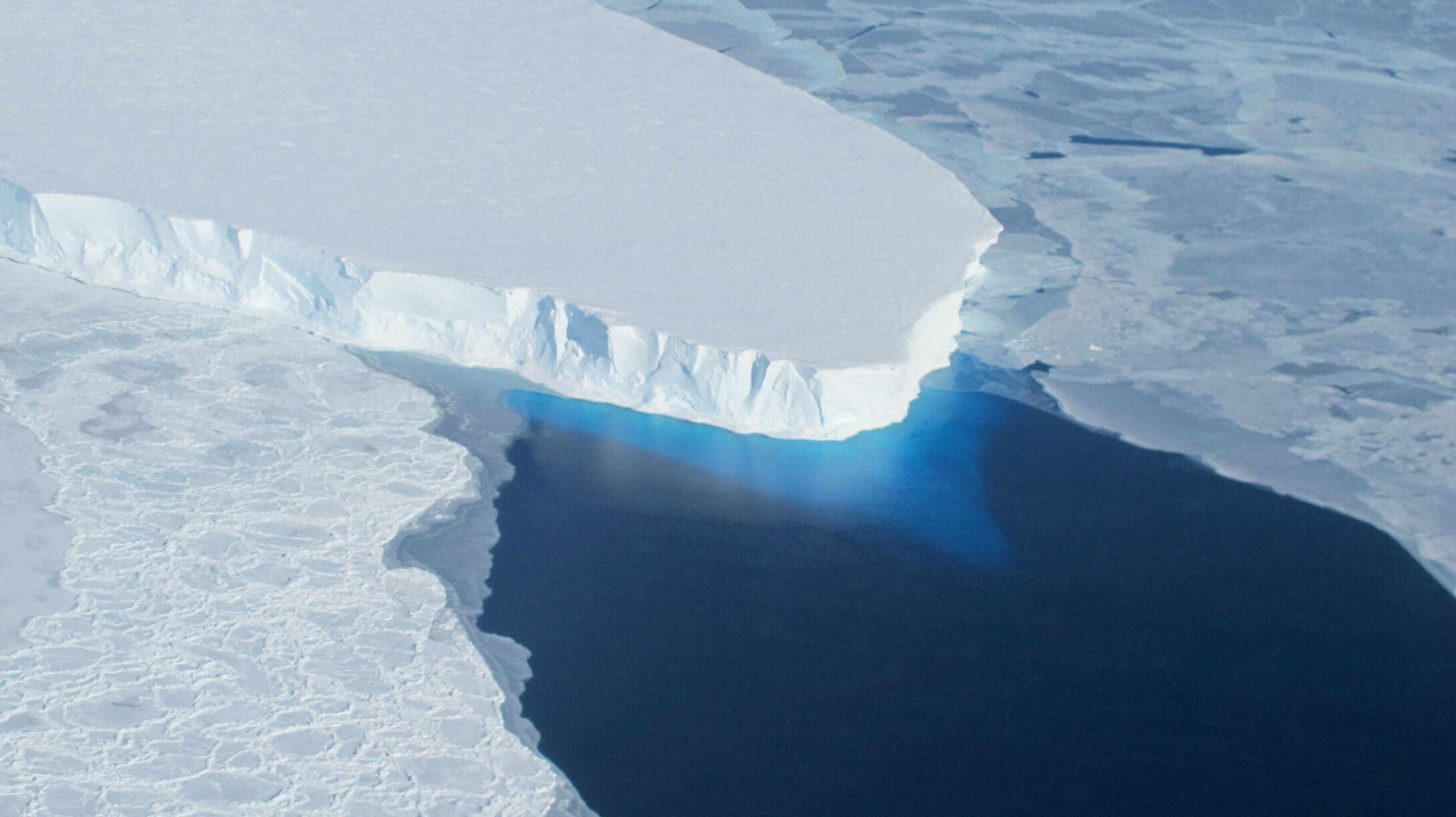
Earth has experienced very long periods of time when thick ice sheets covered large areas of land. These periods are called ice ages.
An ice age takes place when our planet’s temperature drops over a long period of time. This can happen even when it gets just a few degrees colder. Ice ages can happen for many different reasons. One example is when changes in our planet’s movement around the sun cause less sunlight to fall on Earth’s surface.
Most people think our planet has only had one ice age, but we have actually experienced at least five major ones.
In fact, we are currently living in the Quaternary Ice Age, which began 2.5 million years ago. We are currently in an interglacial period, which is a warmer phase of the ice age cycle.
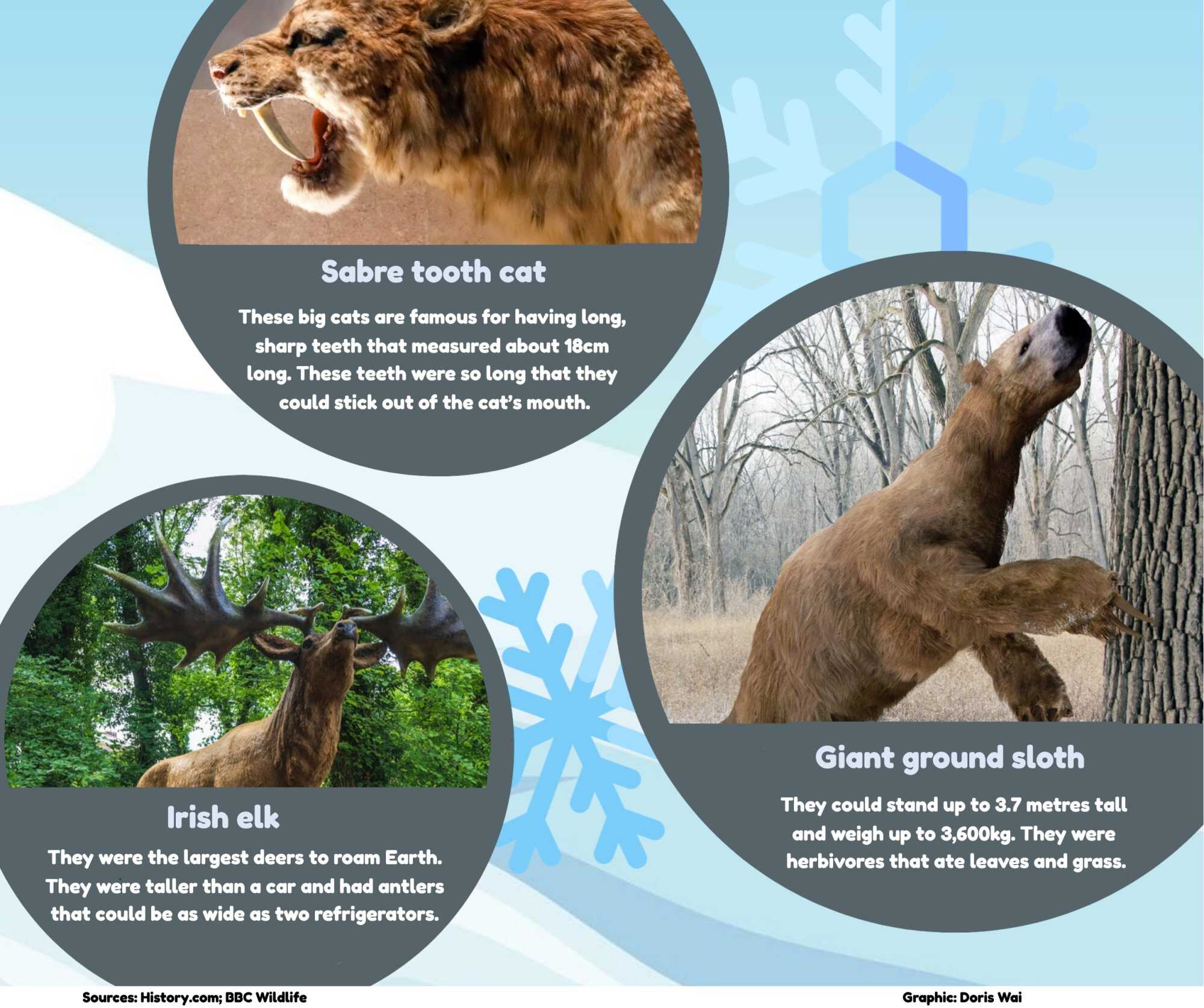
During an earlier part of the Quaternary Ice Age, there were many fascinating animals. These included the Irish elk, giant sloth and sabre tooth cat (see graphic). They became extinct about 8,000 to 10,000 years ago.