YoungPost Club Learn
DOWNLOAD OUR APP
appstoregoogleplay
FIND US AT
My JourneyMy VocabularyMy Leaderboard
My AccountSearchAbout UsContact Us
Subscription Plan
School Subscription
YOUNG POST
NewsTrendingBeing wellLearning zoneShare with usQuizzes
SPARK
NewsTrendingBeing wellLearning zoneShare with usQuizzes
POSTIES
Big readEye on the newsHa-ha-happeningsThings to doYour saySteam studioHealth and happinessQuizzes
Subscribe to Young Post Club to access our great content
ABOUT US|CONTACT US|WRITE FOR US|PRIVACY POLICY|TERMS & CONDITIONS
©2026 Young Post Club. All rights reserved.
My Journey Hello
Brand Avatar
Young Post
My Journey illustration

With a subscription, you can answer quizzes and track your reading progress.

Read / STEAM studio

Why bees use honeycomb to build their hives

The strong hexagonal structures are efficient and have many different uses, from storing honey to serving as a nursery for baby bees
byDoris Wai
Published: 10:45pm, 28 Apr 2024
Length: 236 words
Why bees use honeycomb to build their hives

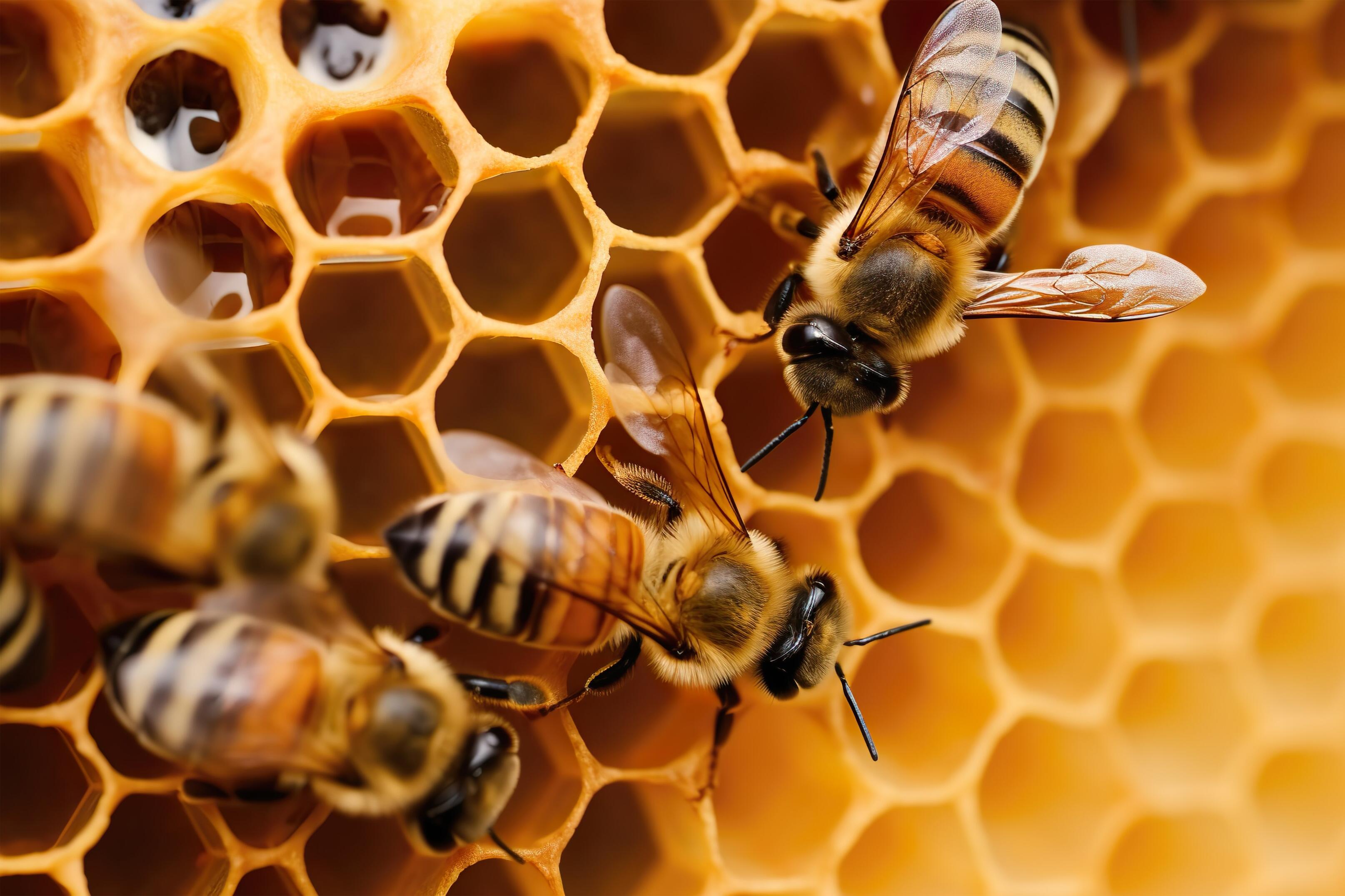
Honeycombs are the building blocks for a beehive. Photo: Shutterstock

Difficulty: Challenger (Level 2)

Honeybees help plants reproduce by carrying pollen between flowers. They are also excellent builders. They craft honeycombs, which are the building blocks for a hive. Each honeycomb consists of thousands of six-sided hexagonal cells made from beeswax.

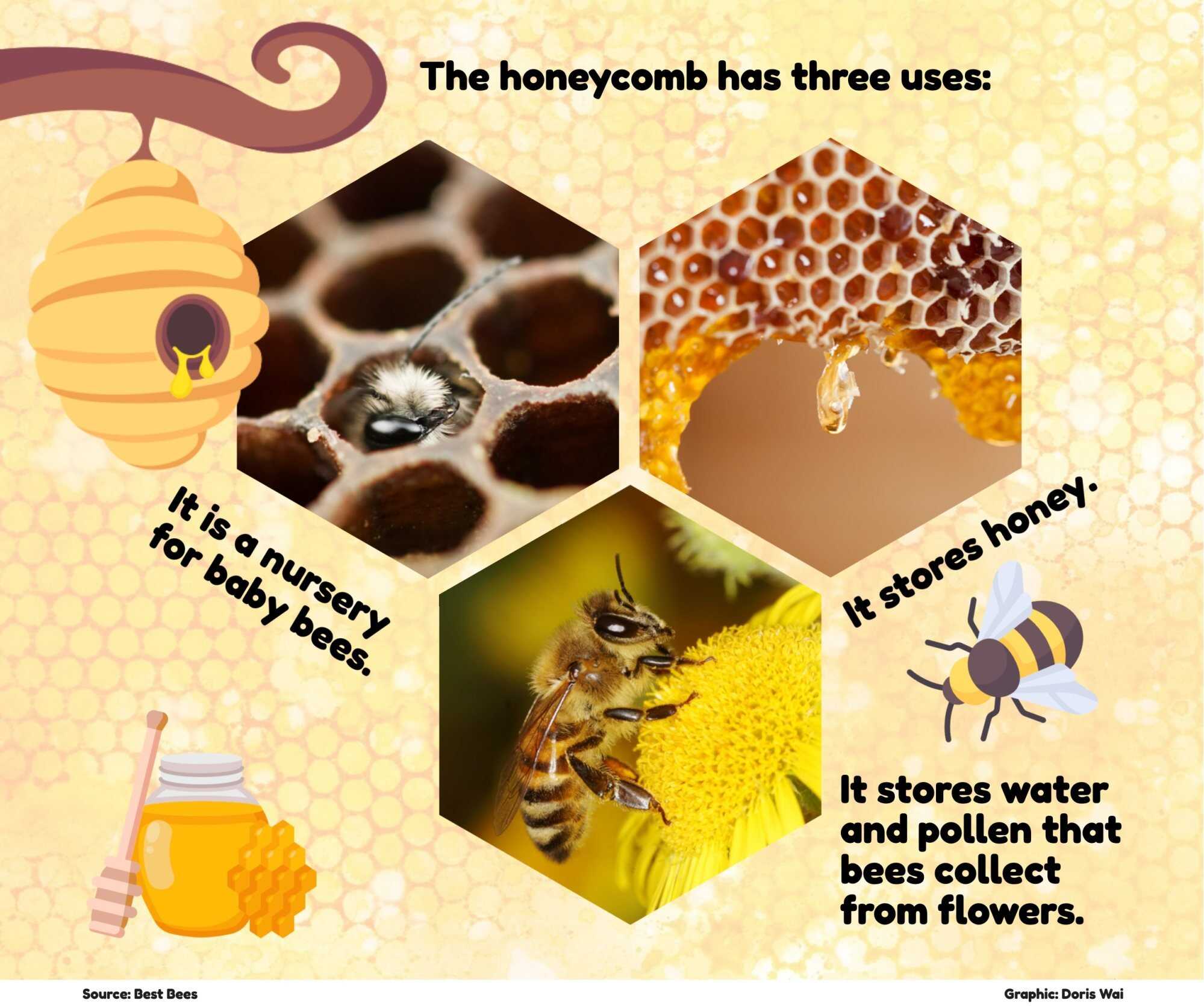
Honeycombs are very strong structures and have different uses (see graphic).
Honeycomb construction is an amazing process. Worker bees eat honey and produce sticky, yellow beeswax from special glands in their abdomens.

Because producing beeswax is hard work, honeybees do not want to waste any of their resources. This means they need to use the least amount of wax to construct honeycomb cells that can hold as much honey as possible.

Hexagons are perfect for honeycombs because they fit together without gaps. Compared to other shapes, the hexagon uses the least wax to create a wall around each honeycomb cell.

If you are interested in learning more about these insects, the Hong Kong Science Museum is running a biodiversity workshop called “Getting to Know the Bees and Wasps”. You can find out more about the workshop on the museum’s website.

Content provided by

IN THIS ARTICLE
Animals
Science
Hong Kong

KEEP READING
cover
STEAM studio
What is the Gila monster, and why is this lizard’s bite so dangerous?
31 Mar 2024
cover
STEAM studio
Facts about the T. rex, king of the tyrant lizards
03 Mar 2024
cover
Big read
Why are these Hong Kong beekeepers so passionate about saving bees?
17 Dec 2023