
YoungPost Club Learn
DOWNLOAD OUR APP
appstoregoogleplay
FIND US AT
My JourneyMy VocabularyMy Leaderboard
My AccountSearchAbout UsContact Us
Subscription Plan
School Subscription
YOUNG POST
NewsTrendingBeing wellLearning zoneShare with usQuizzes
SPARK
NewsTrendingBeing wellLearning zoneShare with usQuizzes
POSTIES
Big readEye on the newsHa-ha-happeningsThings to doYour saySteam studioHealth and happinessQuizzes
Subscribe to Young Post Club to access our great content
ABOUT US|CONTACT US|WRITE FOR US|PRIVACY POLICY|TERMS & CONDITIONS
©2026 Young Post Club. All rights reserved.
My Journey Hello
Brand Avatar
Young Post
My Journey illustration

With a subscription, you can answer quizzes and track your reading progress.

Read / STEAM studio

How the colour wheel can help you create the perfect shade

This handy tool is great for finding hues that complement each other
byDoris Wai
Published: 10:45pm, 15 Sep 2024
Length: 239 words
How the colour wheel can help you create the perfect shade

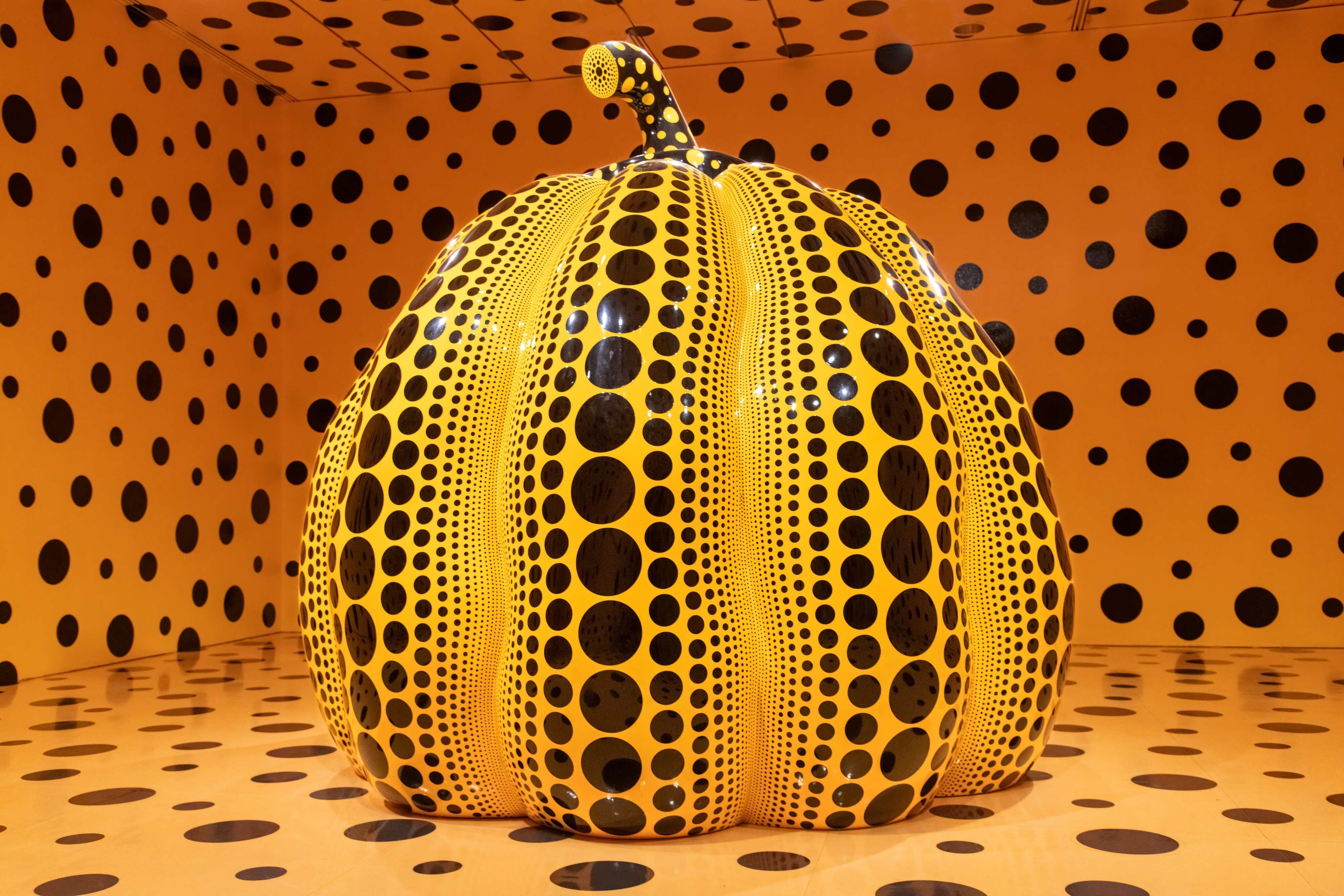
What happens if you mix blue and red? Photo: Shutterstock

Have you ever tried mixing different colours to create something special? Learning about colour groups can help you get the shade you want.

There are three main colour groups: primary, secondary and tertiary.

The three primary colours are red, yellow and blue. These are the building blocks for all other colours.

Secondary colours are a product of mixing two primary colours together. Combining yellow and blue gives us green, while mixing red and yellow makes orange. We can produce different shades of green and orange by adding different amounts of the primary colours.

Tertiary colours are created by mixing a primary colour with a secondary colour that is next to it on the colour wheel. This is a diagram that shows how colours are related to each other. It can help us choose shades that look good together.
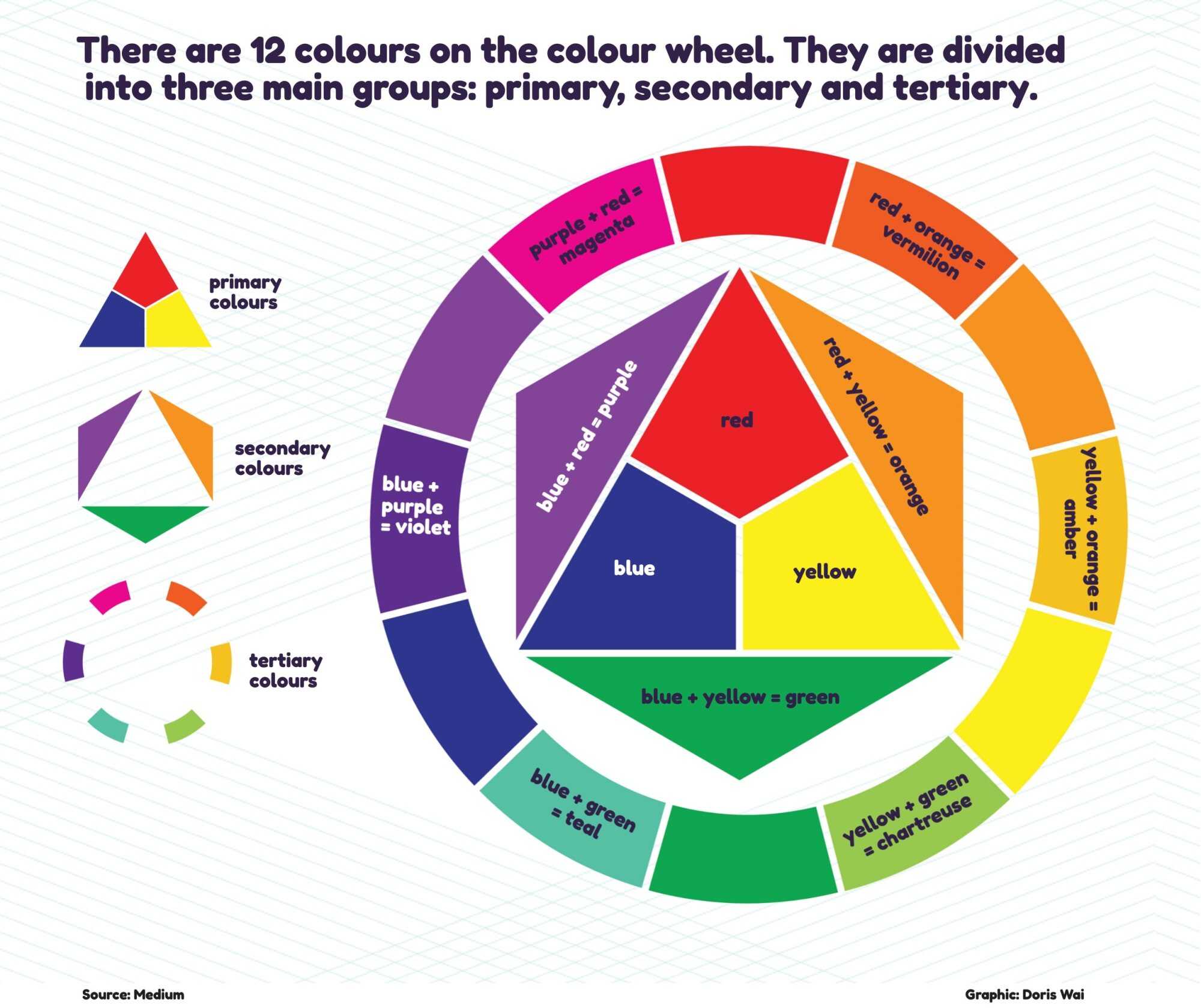
Colours that are directly across from each other on the wheel are complementary; for example, pairing blue and orange items can create contrast and add energy.

If colours are next to each other on the wheel, they will blend well together because they have similar bases, such as violet, purple and magenta.

By experimenting with the colour wheel, we can create lots of interesting colour combinations.
IN THIS ARTICLE
Art

KEEP READING
cover
Things to do
Uncover your inner artist with this project inspired by Yayoi Kusama
05 May 2024
cover
Big read
9 colour idioms that will brighten up your stories
06 Apr 2022