Difficulty: Challenger (Level 2)
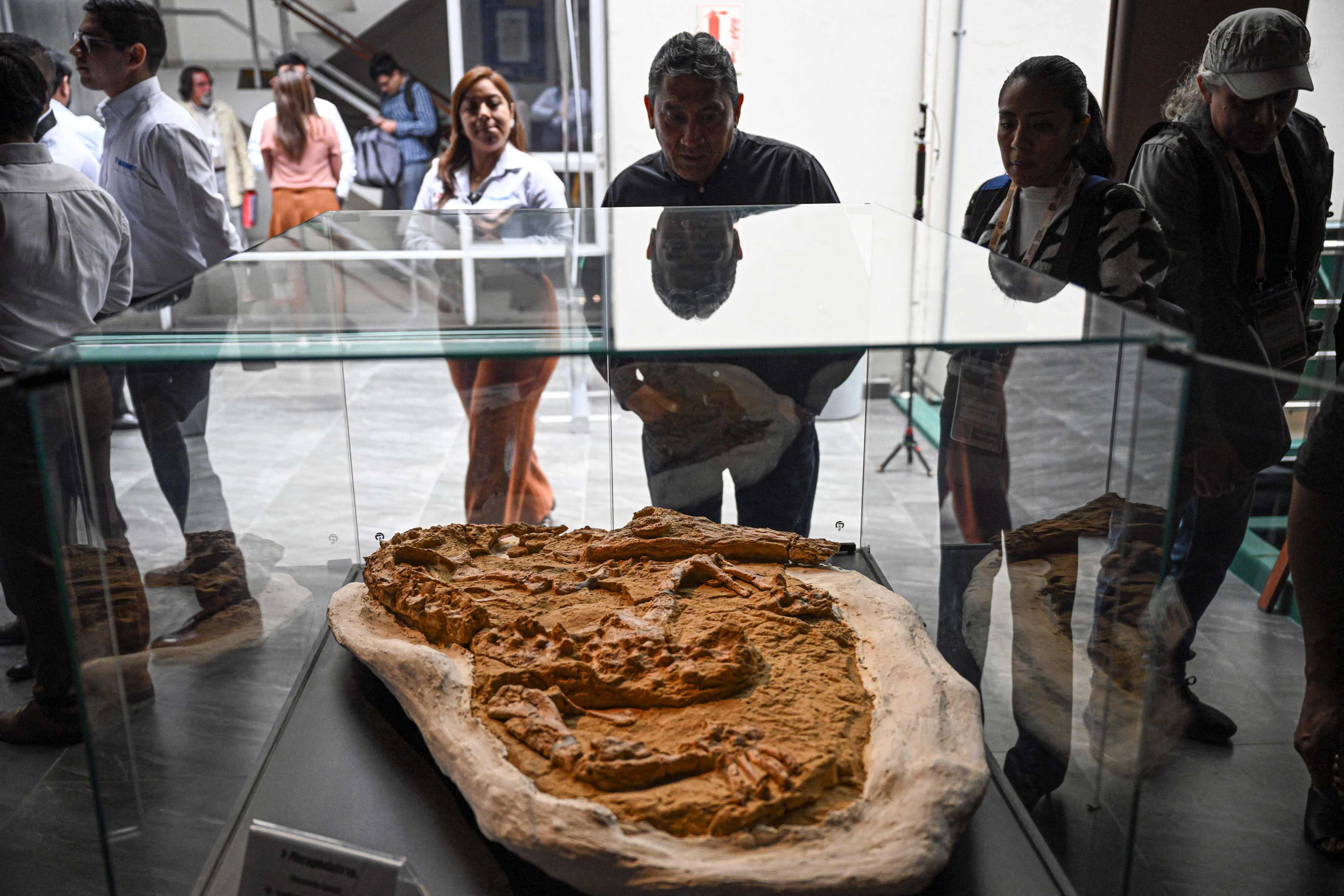
The remains of a young marine crocodile have been discovered in a Peruvian desert. The fossils date back 10 to 12 million years ago.
The fossil is of a gharial crocodile, which eats fish. It is around three metres long. It was found in late 2023 in perfect condition in Peru’s Ocucaje desert. The region is about 350km south of the capital, Lima.
“This is the first time we found a juvenile of this species, that is to say, it had not reached its maximum size yet. It died before that,” palaeontologist Mario Gamarra told a news conference. He was in charge of the fossil’s repair. Palaeontologists are scientists who study fossils.
The skull and jaws of these samples are different from that of today’s crocodiles and alligators, according to Gamarra.
“They had an elongated snout, and their diet was entirely piscivorous, [meaning they were] feeding on fish,” Gamarra said.
“The closest current relative to this crocodile would be the Indian gharial,” he added.
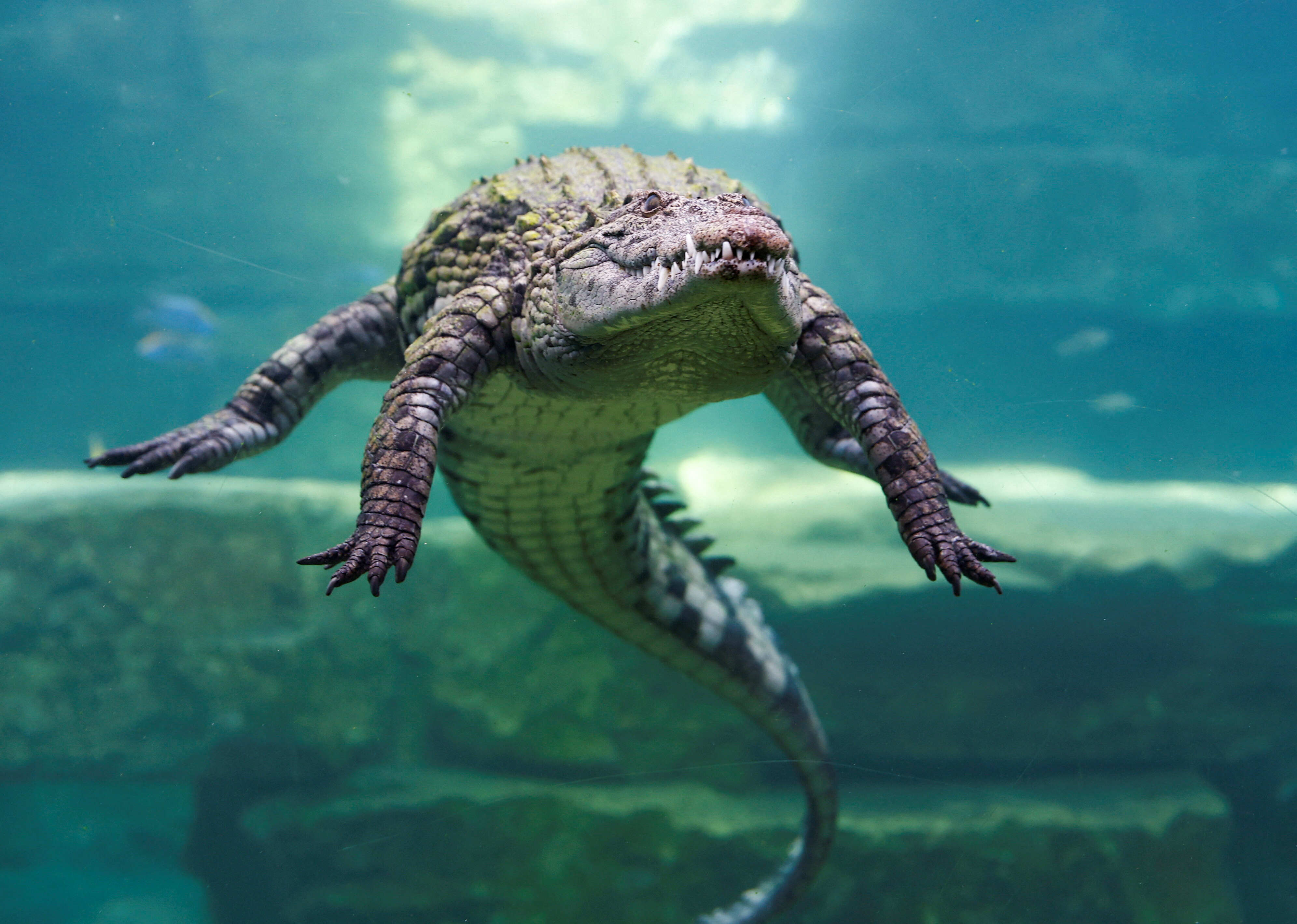
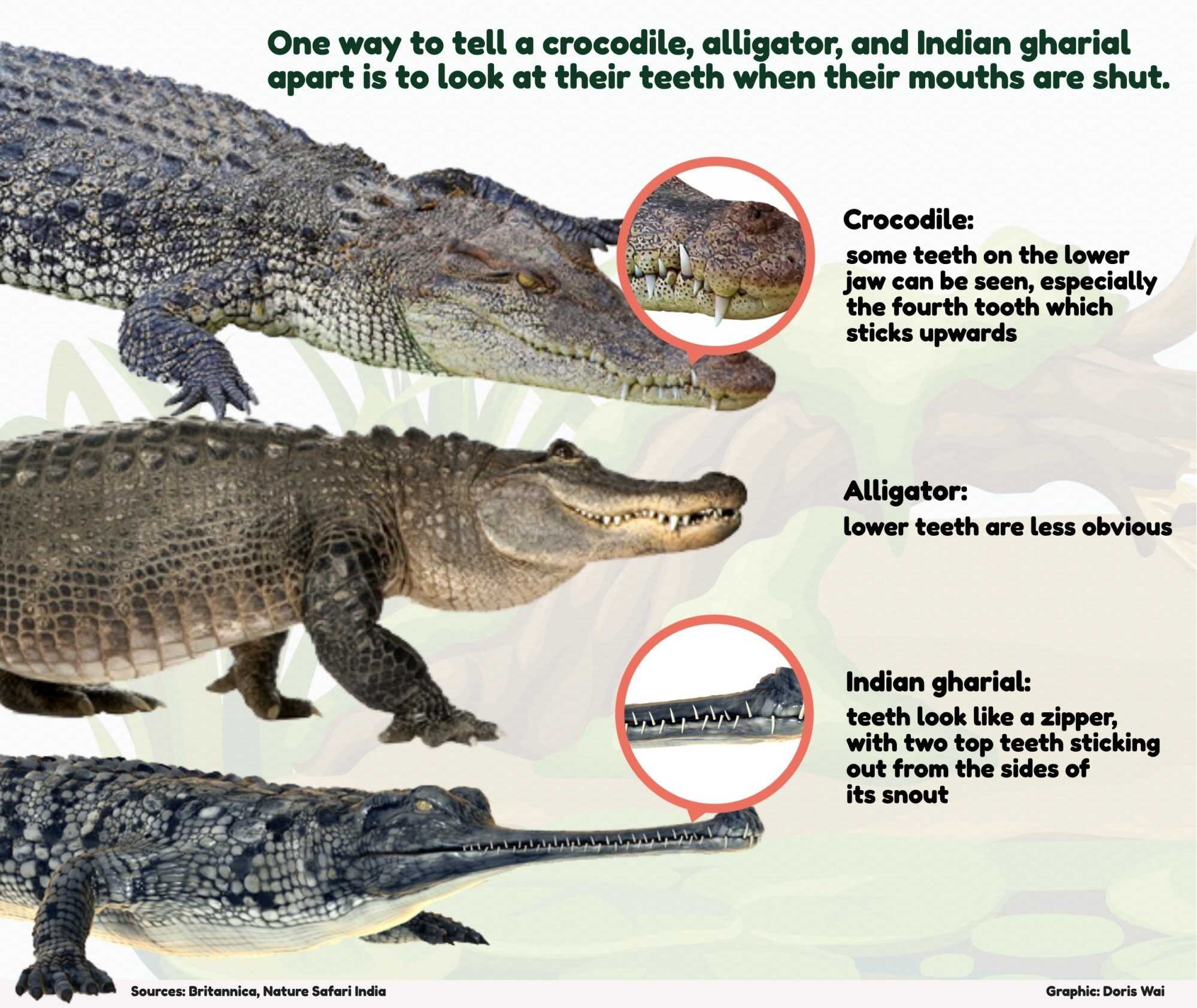
The Indian gharial is related to crocodiles and alligators. A special feature of the gharial is its extremely long and narrow nose (see graphic). It faces a very high risk of extinction in the wild. There are fewer than 200 left in the wild.
Peru’s Ocucaje desert is rich in fossils from the Miocene period. These include four-legged dwarf whales, dolphins, sharks and other species that existed between 5 and 23 million years ago.
Questions
-
What was the crocodile’s diet?
-
What is the closest living relative of this crocodile?