




Difficulty: Challenger (Level 2)
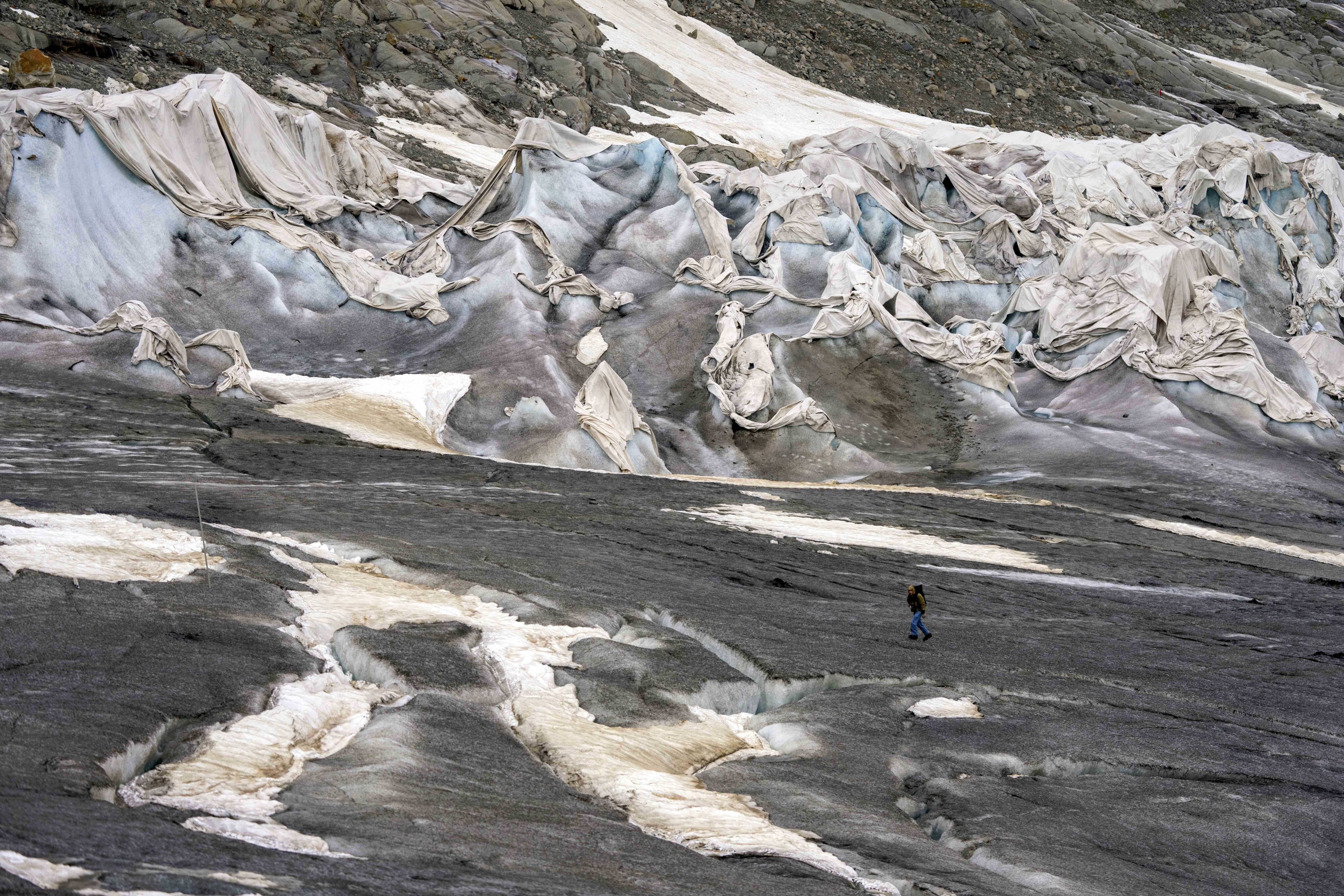
The amount of snow covering Swiss glaciers at the end of the winter this year was 13 per cent below the 2010-2020 average, said a group of glacier monitoring experts last month.
Each spring, when snow cover reaches its peak, Matthias Huss, head of the Glacier Monitoring Switzerland (Glamos), and his team take measurements on several Swiss glaciers.
Scientists measured the snow on 1,400 Swiss glaciers. They then used these numbers to estimate the snow on all of them. Their report shows that the amount of snow this year is 13 per cent less than it was on average between the years 2010 and 2020. They say this is a “winter snow deficit”.
The measurements examine both the depth and density of the snow, providing useful data to evaluate the upcoming summer melting season.
“Overall, snow measurements on glaciers indicate another dry year with significant repercussions on melting in the coming summer,” Huss said on X.
“Another difficult year for glaciers ahead,” he added.
Snow cover is vital for glaciers as it allows them to “recharge” their mass while protecting them from heat and sunlight in spring and summer.
Swiss glaciers, severely impacted by climate change, melted as much in 2022 and 2023 as between 1960 and 1990, losing in total about 10 per cent of their volume.
Despite a very snowy 2024 winter, glaciers in Switzerland still lost 2.4 per cent of their overall volume last year due to summer heat. Also, dust from the Sahara Desert made the ice melt even faster.
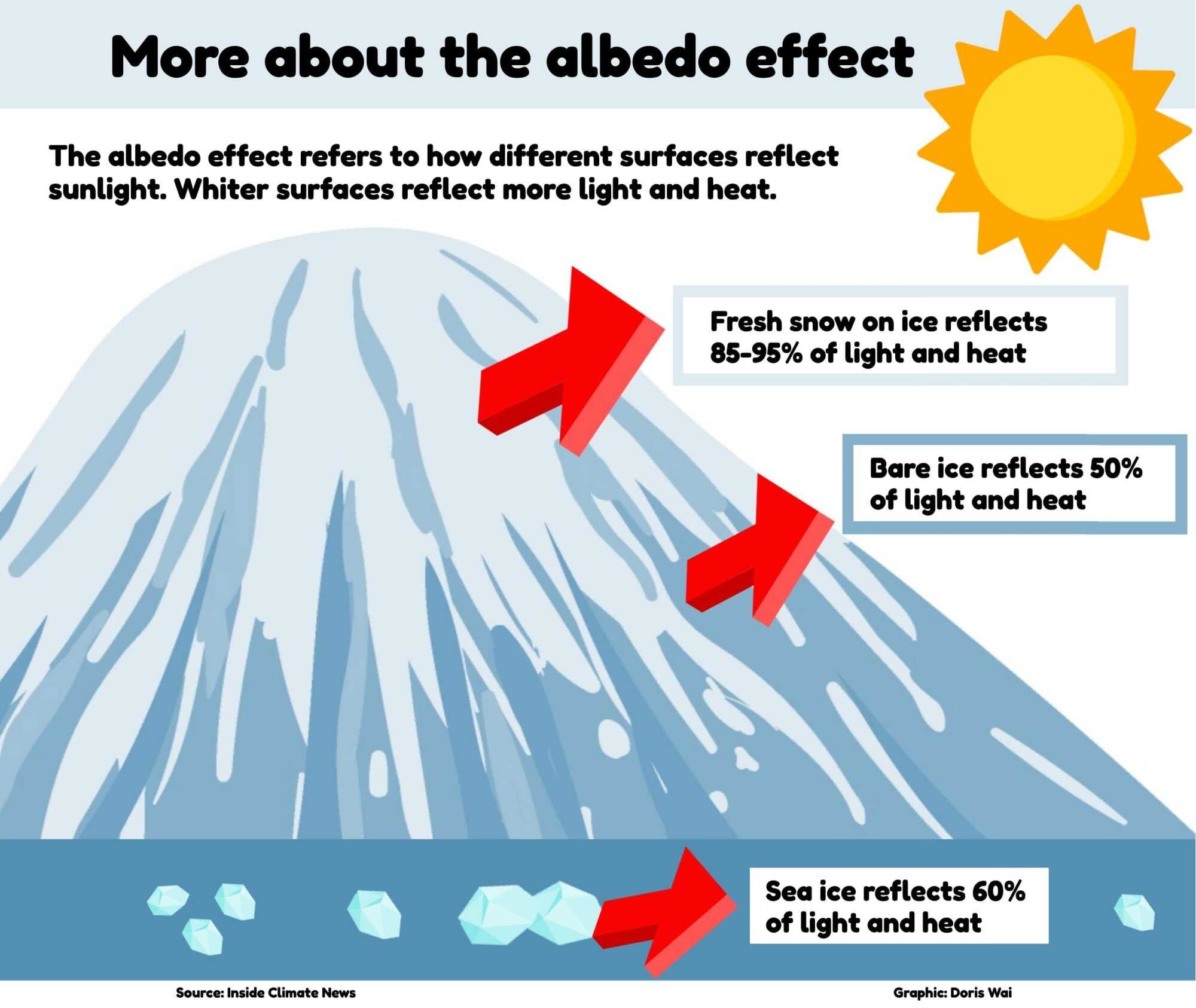
The accumulation of dust on the ice reduces the albedo effect (see graphic).
