Difficulty: Challenger (Level 2)
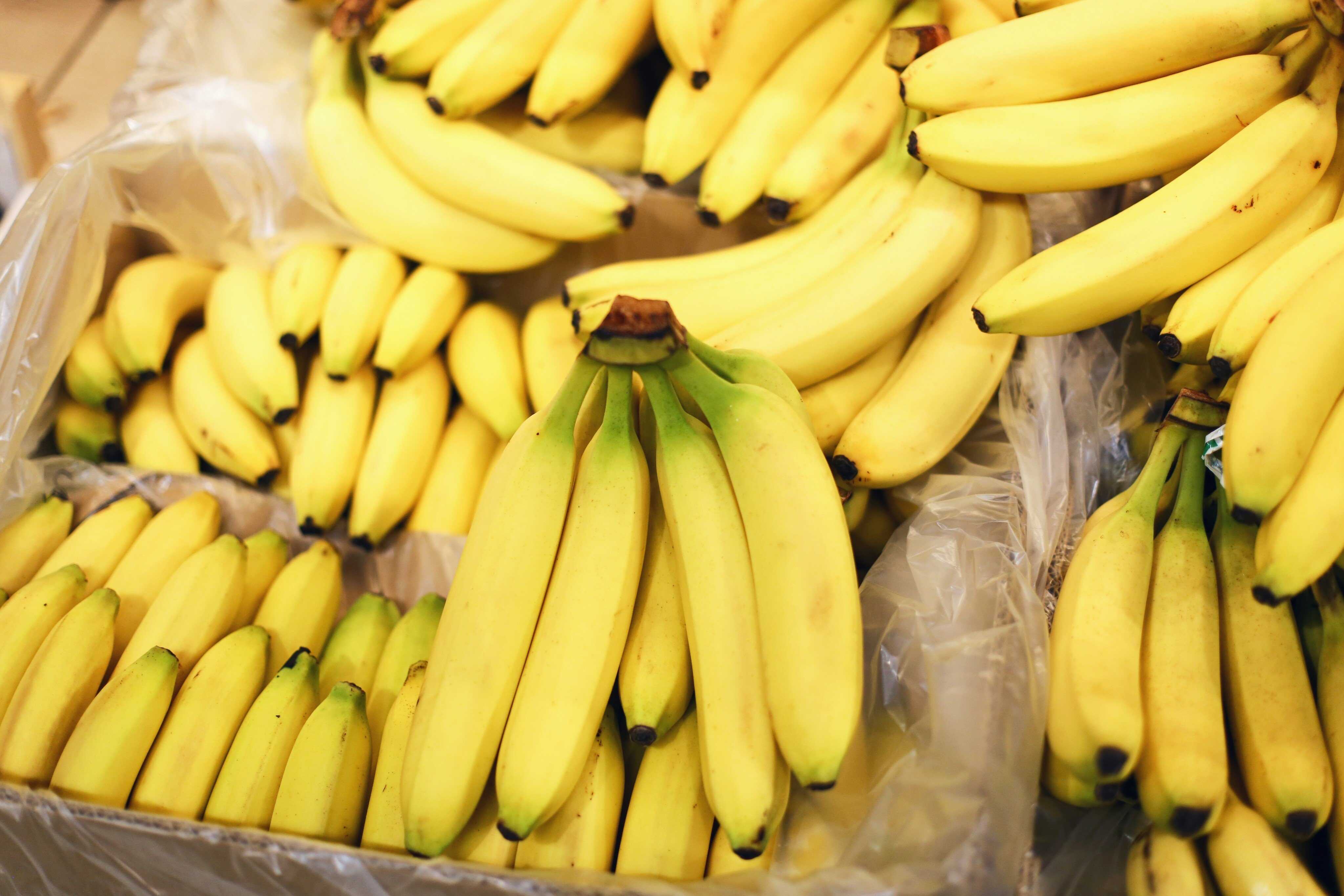
Bananas are much loved globally. They are also especially important for some of the world’s poorest people.
More than 400 million people rely on bananas. The fruit is a part of their daily diet and is the fourth most important food crop after wheat, rice and corn.
Bananas are great for our health. They are a good source of vitamin B6, which helps our bodies and brains grow. For example, bananas have a high level of amino acids that are converted into serotonin in your body. Serotonin is a happy brain chemical that helps you manage stress and your mood.
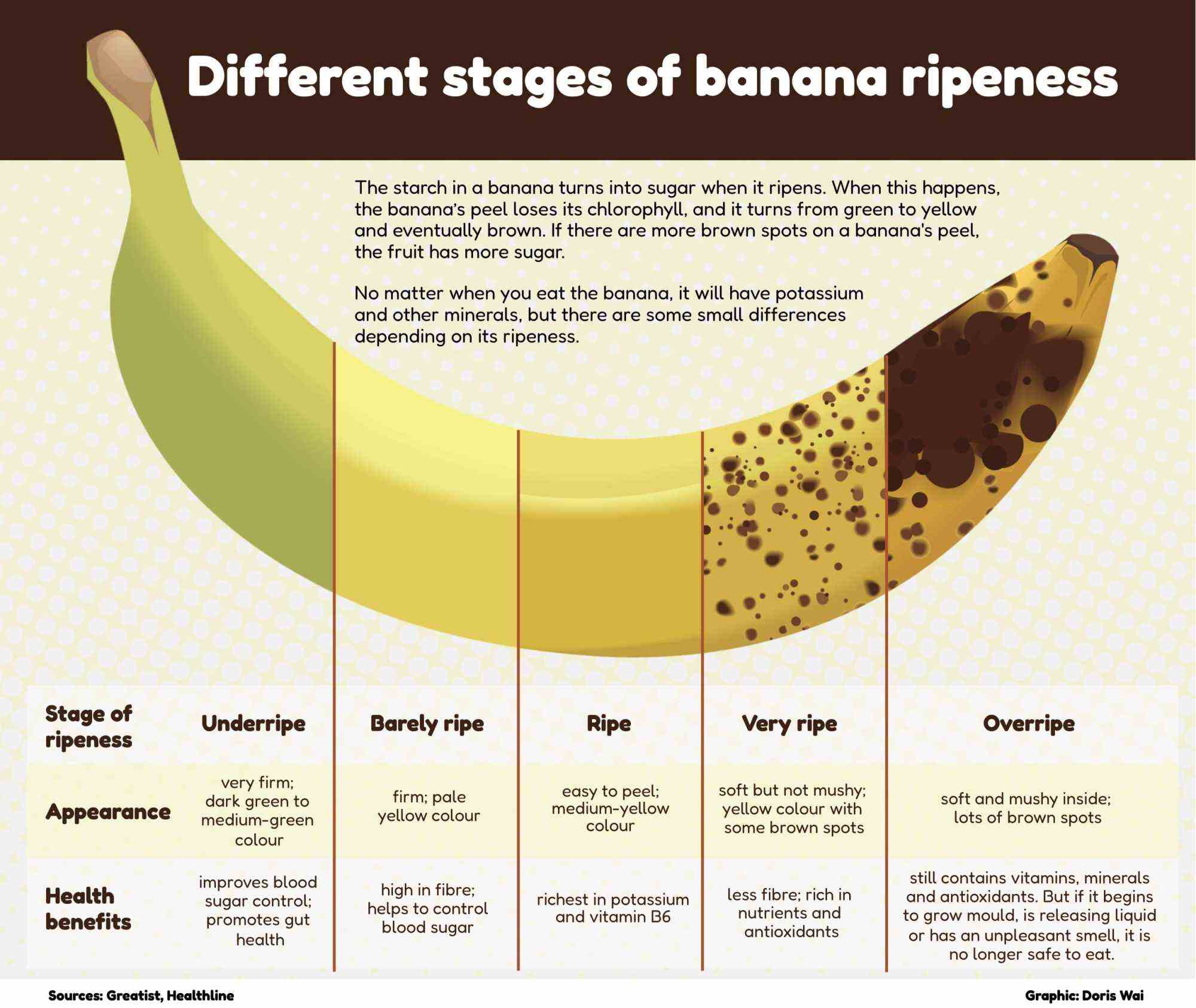
A banana has different health benefits depending on which stage of ripeness the fruit is at (see graphic).
There are actually more than 1,000 varieties of bananas. The curved, yellow kind is probably the most popular globally. It is called the Cavendish banana. It costs less to grow and produces a lot of fruit. But it is not that easy to grow. Cavendish bananas need to be grown in 15 to 35 degrees Celsius weather. They also need a certain amount of water.
This banana plant is sensitive to storms, which can damage its leaves. If the leaves are damaged, the plant cannot get enough sunlight to grow the fruit. So, it is not surprising that climate change is affecting the banana plant.
Hotter weather, extreme storms and new types of pests are some of the worst effects of climate change that are affecting banana plants. Farmers are trying to solve this problem by finding a different banana plant that is stronger.
Governments can also help by taking steps to reduce their countries’ carbon emissions, as using fossil fuels makes climate change worse.