Difficulty: Challenger (Level 2)
Arctic seals and birds are under rising threat. This is based on an updated list of endangered species released recently by the International Union for Conservation of Nature (IUCN).
The report said birds are in trouble because they are losing their homes to farming and logging. It said seals are at risk mostly because of global warming and human activities like boats moving through the water.
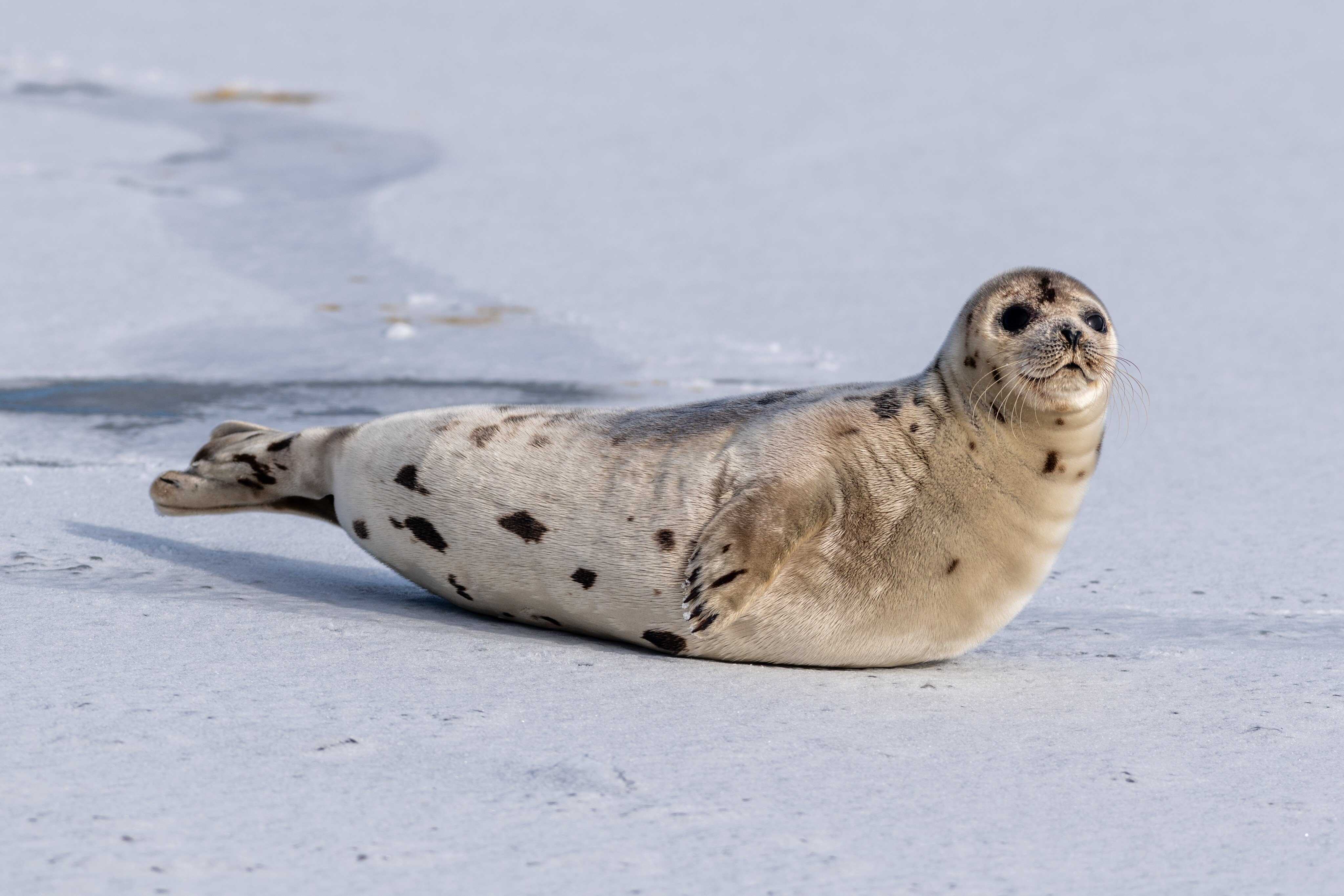
The IUCN said it had lowered the status of the hooded seal from vulnerable to endangered. Now, bearded and harp seals are considered near threatened.
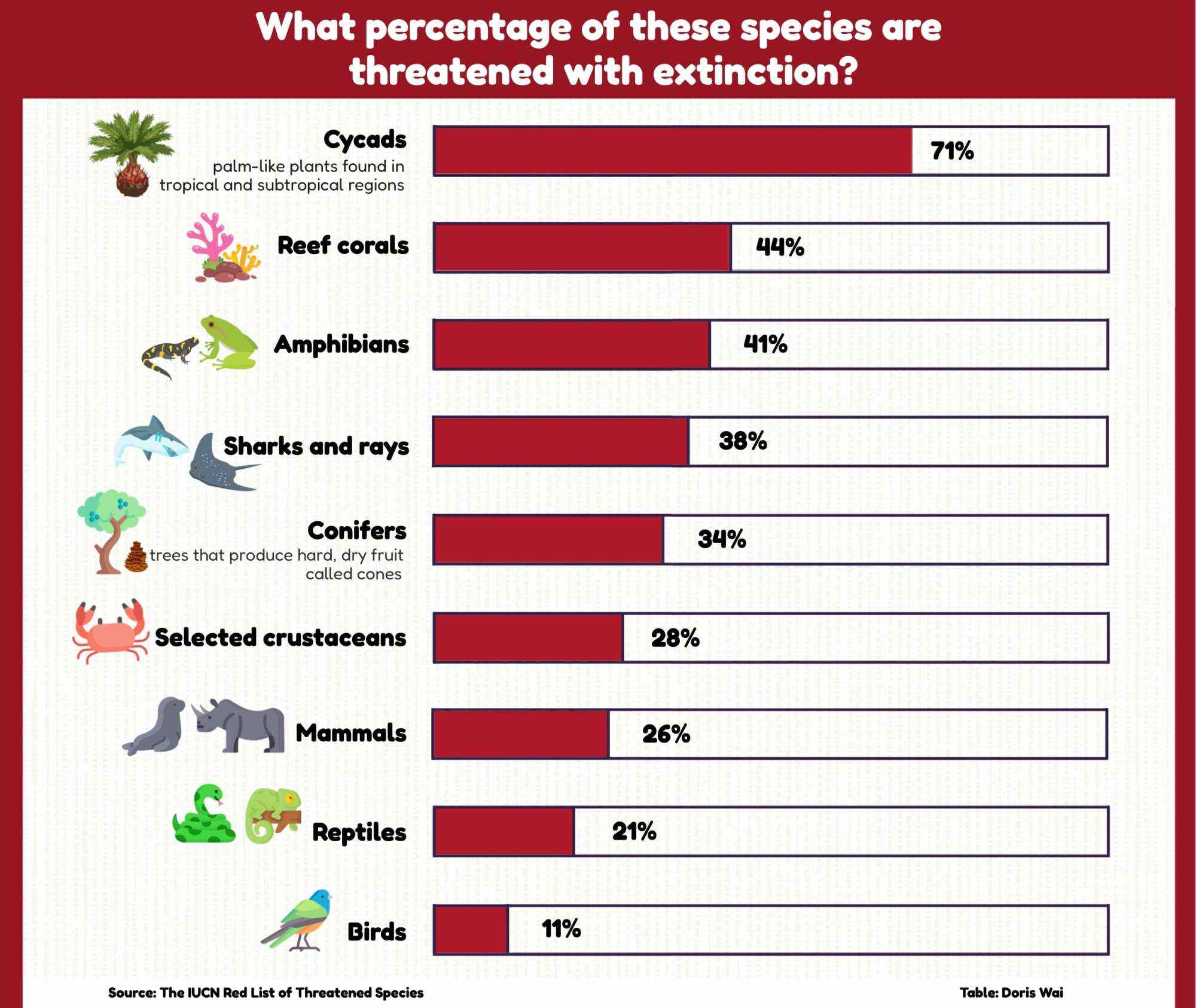
“The IUCN Red List now includes 172,620 species of which 48,646 are threatened with extinction,” it said (see chart).
Global warming is harming the homes of animals. For example, this hurts seals that live in very cold places.
“Global warming is occurring four times faster in the Arctic than in other regions,” the IUCN said.
This is reducing the ice on the sea.
Ice-dependent seals play an important role in the food web. They eat fish and invertebrates and recycle nutrients back into the water.
Among bird species, 61 per cent have declining populations. This estimate has increased from 44 per cent in 2016.
In Madagascar, 14 species were classified as near threatened, and three others were labelled vulnerable.
In West Africa, five bird species were found to be near threatened.
The report also mentioned a positive change. The green turtle is no longer endangered. Decades of conservation action have helped its population increase by 28 per cent since the 1970s.