

YoungPost Club Learn
DOWNLOAD OUR APP
appstoregoogleplay
FIND US AT
My JourneyMy VocabularyMy Leaderboard
My AccountSearchAbout UsContact Us
Subscription Plan
School Subscription
YOUNG POST
NewsTrendingBeing wellLearning zoneShare with usQuizzes
SPARK
NewsTrendingBeing wellLearning zoneShare with usQuizzes
POSTIES
Big readEye on the newsHa-ha-happeningsThings to doYour saySteam studioHealth and happinessQuizzes
Subscribe to Young Post Club to access our great content
ABOUT US|CONTACT US|WRITE FOR US|PRIVACY POLICY|TERMS & CONDITIONS
©2025 Young Post Club. All rights reserved.
My Journey Hello
Brand Avatar
Young Post
My Journey illustration

With a subscription, you can answer quizzes and track your reading progress.

Read / Things to do

Science activity: here is how you make a cloud in a jar

bySCMP
Published: 2:53am, 22 Jun 2022
Length: 249 words
Science activity: here is how you make a cloud in a jar

Photo: Handout

A cloud is made when water vapour condenses into water droplets, and these attach to particles (of dust, pollen and smoke) in the air. When billions of these water droplets join together, they form a cloud.

You will need:

Boiling water Glass jar with metal lid Ice cubes Matches An adult to help (a flame is involved)

Photo: Handout

Directions:

Step 1 Pour the hot water about halfway into the jar. Swirl it around a bit to warm up the sides of the jar.

Photo: Handout
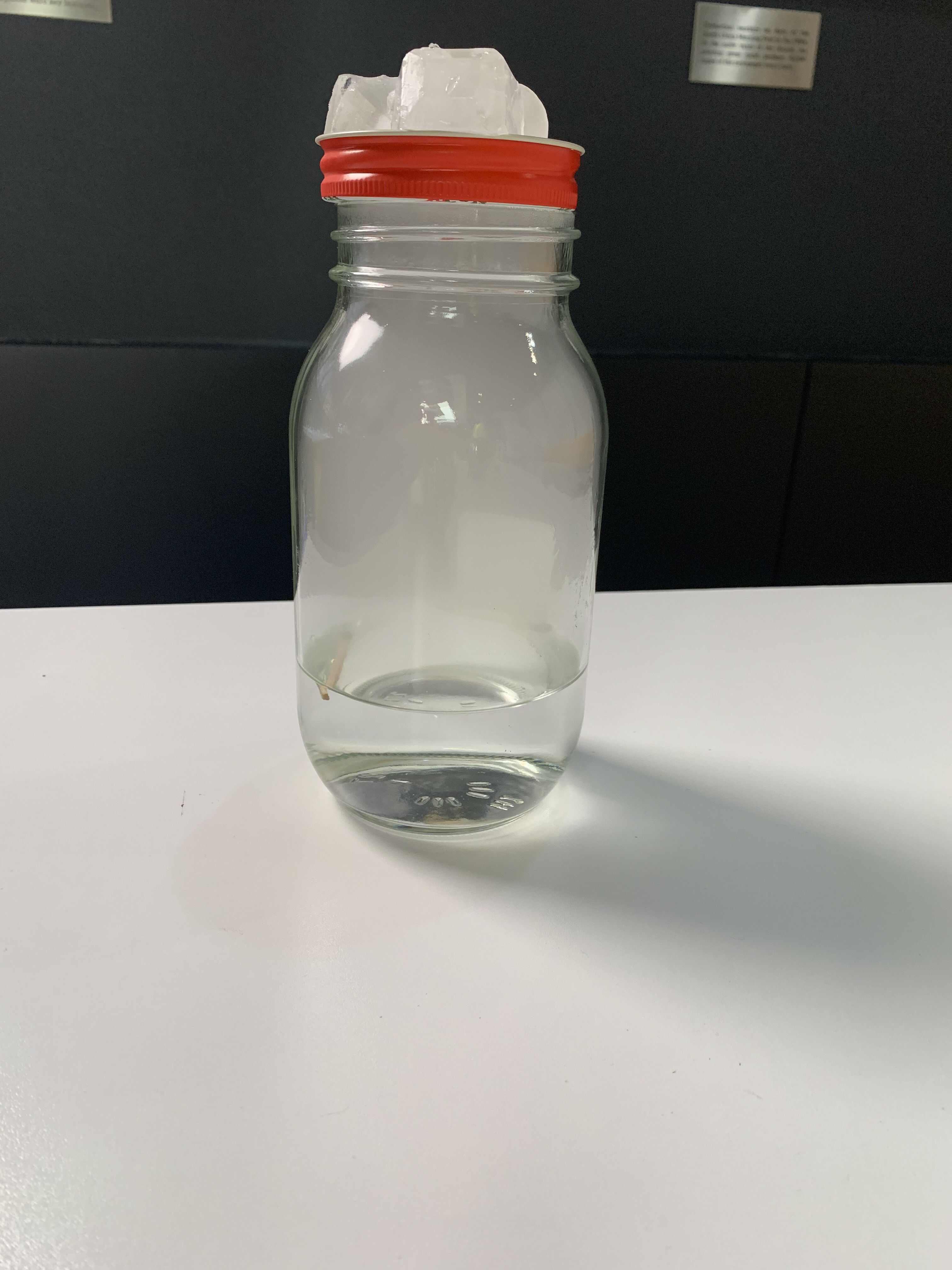
Step 2 Turn the jar lid upside down and place it on the top of the jar. Place several ice cubes onto the lid.
Photo: Handout
Step 3 Light a match and let it smoke for a while. Place the match into the jar.
Photo: Handout
Photo: Handout
Step 4 Quickly place the jar lid with ice on top of the jar. Watch the clouds form in the jar!

How it works

When you add the warm water to the jar, some of it turns into water vapour. The water vapour rises to the top of the jar where it comes into contact with cold air, thanks to the ice cubes on top. Water vapour condenses when it cools down. A cloud can only form if the water vapour has something to condense onto.

In nature, water vapour may condense onto dust particles, air pollution, and so on. In this experiment, the water vapour condensed onto the smoke from the match.