Difficulty: Explorer (Level 1)
When we feel sad or happy, we can show our feelings by painting pictures or singing songs. If we have a fun daydream we want to share, we can write a story for others to enjoy.
When we make art, it is original because we create it ourselves. But the text and pictures made by AI are not original. Everything AI produces comes from stuff made by other people that it puts together and presents as its own work.
This can be a problem when we do research with AI. While we can tell which sources are good, AI cannot, and it might use wrong information from untrustworthy sources. So, the answers AI gives may not only lack creativity but could also be wrong.
As AI becomes a bigger part of our lives, here are two activities to help you learn more about the risks of depending on AI-generated work.
Book Quiz
Materials
-
book
-
access to an AI model
Instructions
-
Select a book you have read recently and are familiar with.
-
Ask the AI model broad questions about the book that you might easily find through an online Google search. Who are the main characters? When does the story take place? What is the main setting of the book?
-
Flip to page 15 of your book and review it. Ask the AI model about what happens on this specific page in the book.
-
Are the answers provided by the AI model accurate? Why do you think this is? Is your book well-known? Are there many sources about it online?
-
Optional: Ask the AI model misleading questions and see how it responds! For example, ask for descriptions about a character that does not exist in the actual book.
Please use AI models responsibly and do so with parental permission.
Form your own opinion
Materials
-
a trusted adult, such as a parent or teacher
-
a notebook and a pen or pencil
Instructions
-
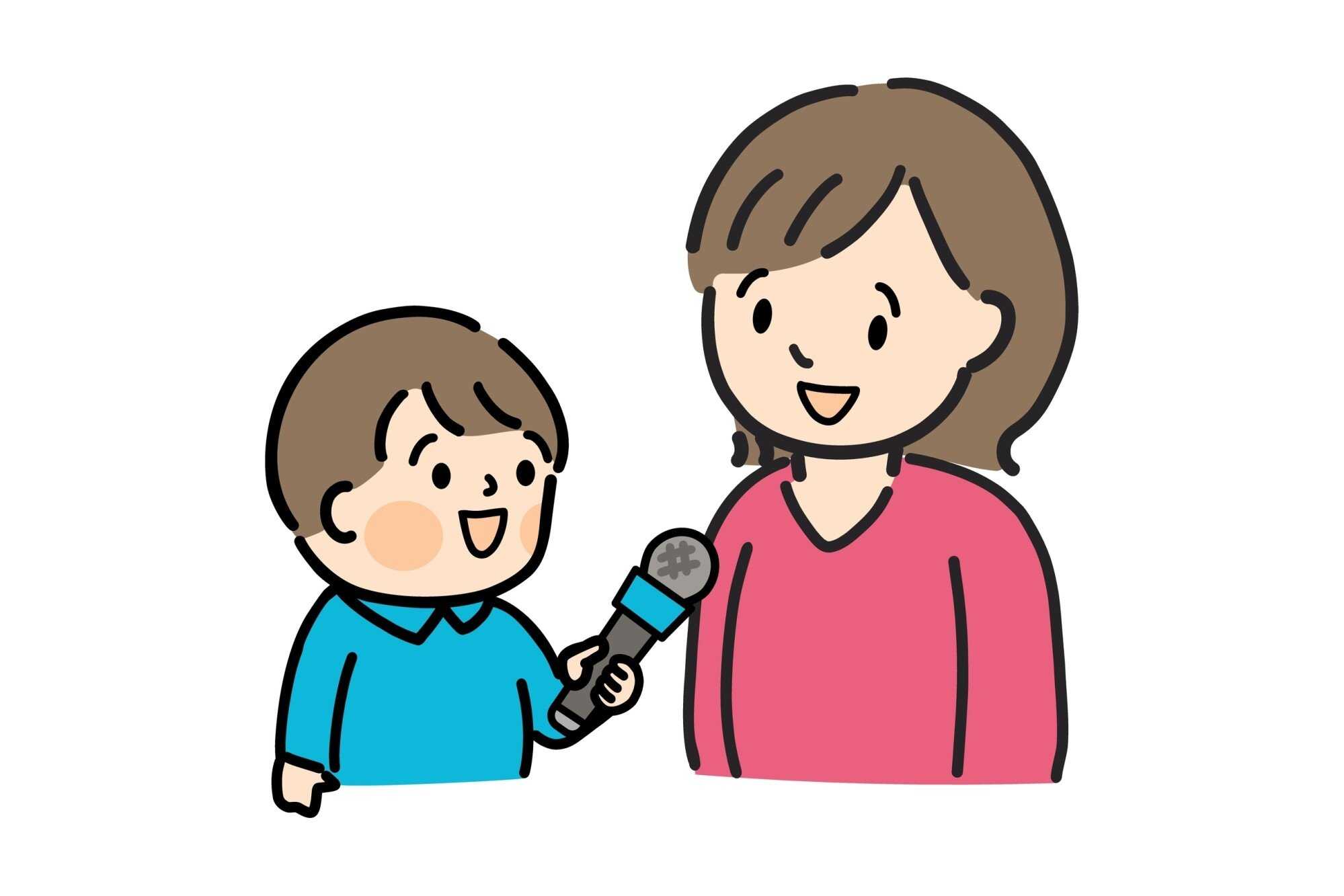
Find an older family member whom you may interview about AI.
-
Ask them at least five questions about human vs. AI-generated work. For example, what does a person put into producing something that AI can’t? What requirements do you think define original work, and can AI fulfil them?
-
Write down any important points you think they have made. Make judgments about which responses you agree with and which you disagree with or feel uncertain about. Don’t be afraid to debate or ask follow-up questions on these parts.
-
Reach your own conclusion about AI-generated work. Consider both the positive, such as increasing productivity, as well as the negative, possible plagiarism. Be open-minded and come to a well-thought-out position.