Difficulty: Explorer (Level 1)
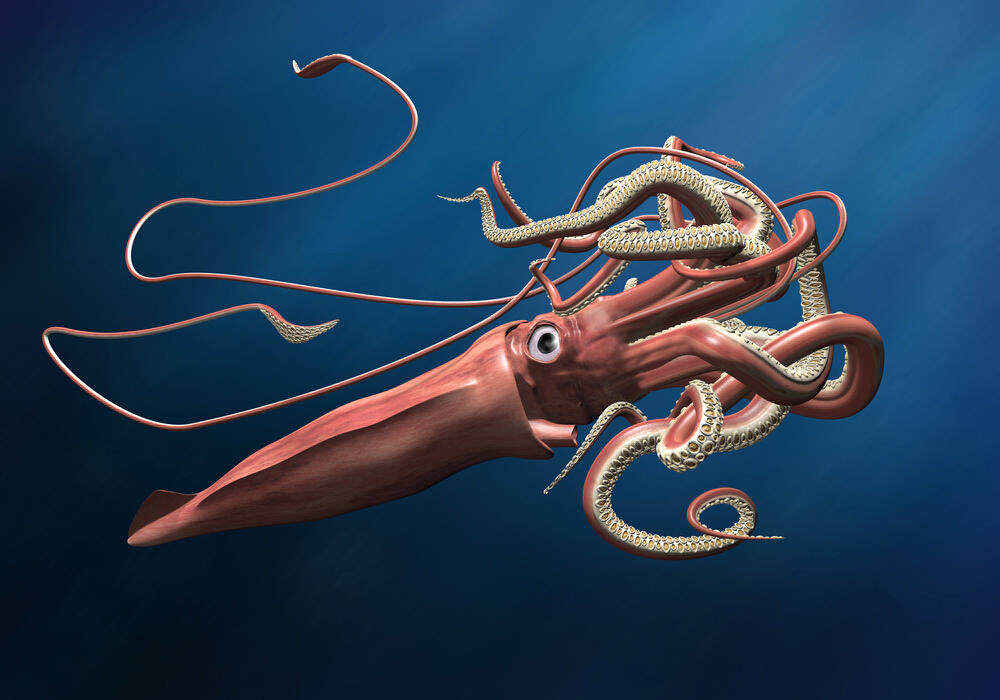
The ocean covers more than 70 per cent of our planet. We know of about 240,000 species living in the ocean. But scientists believe there are many more to discover.
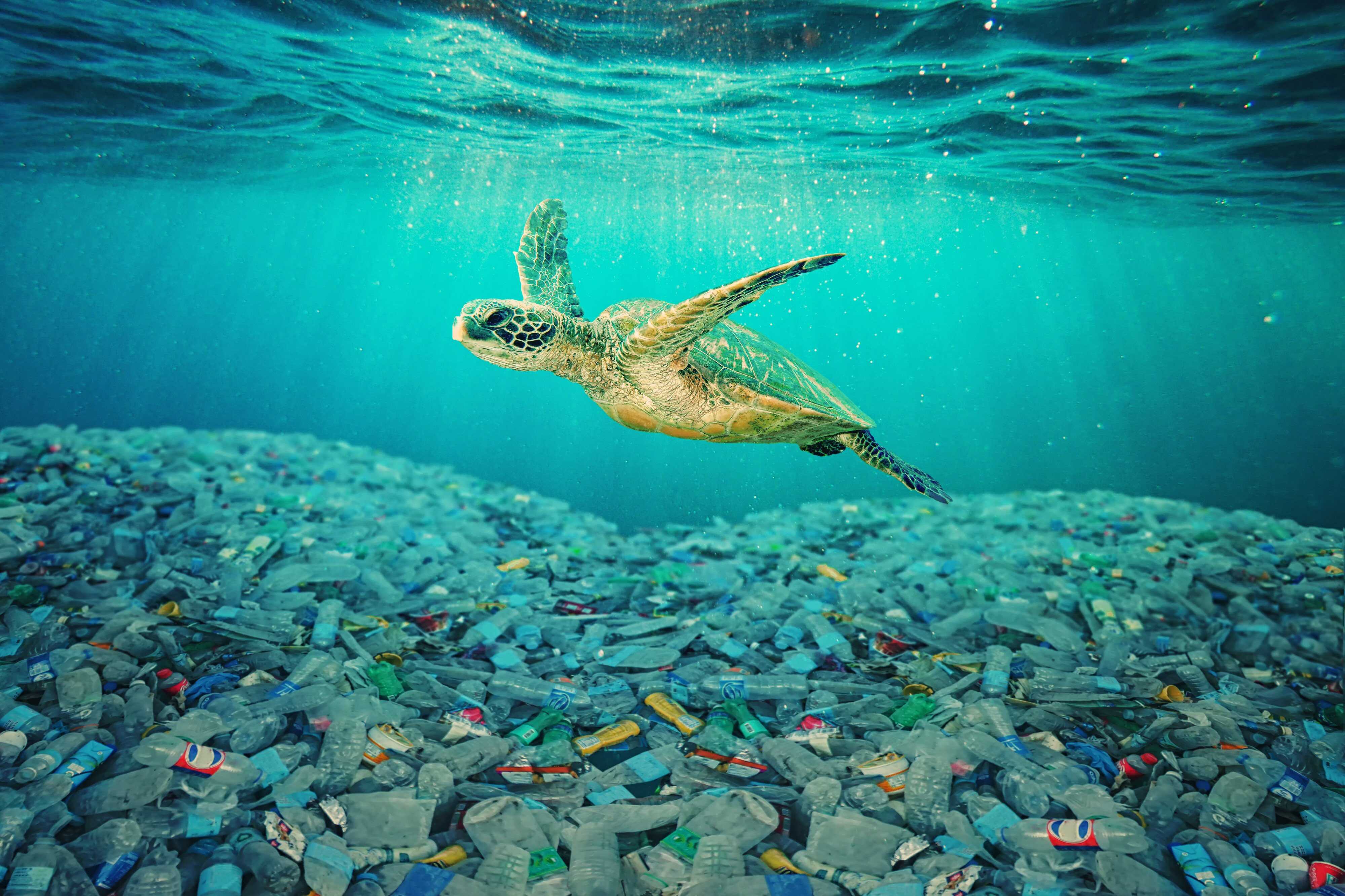
Many of these animals are in danger because of pollution.
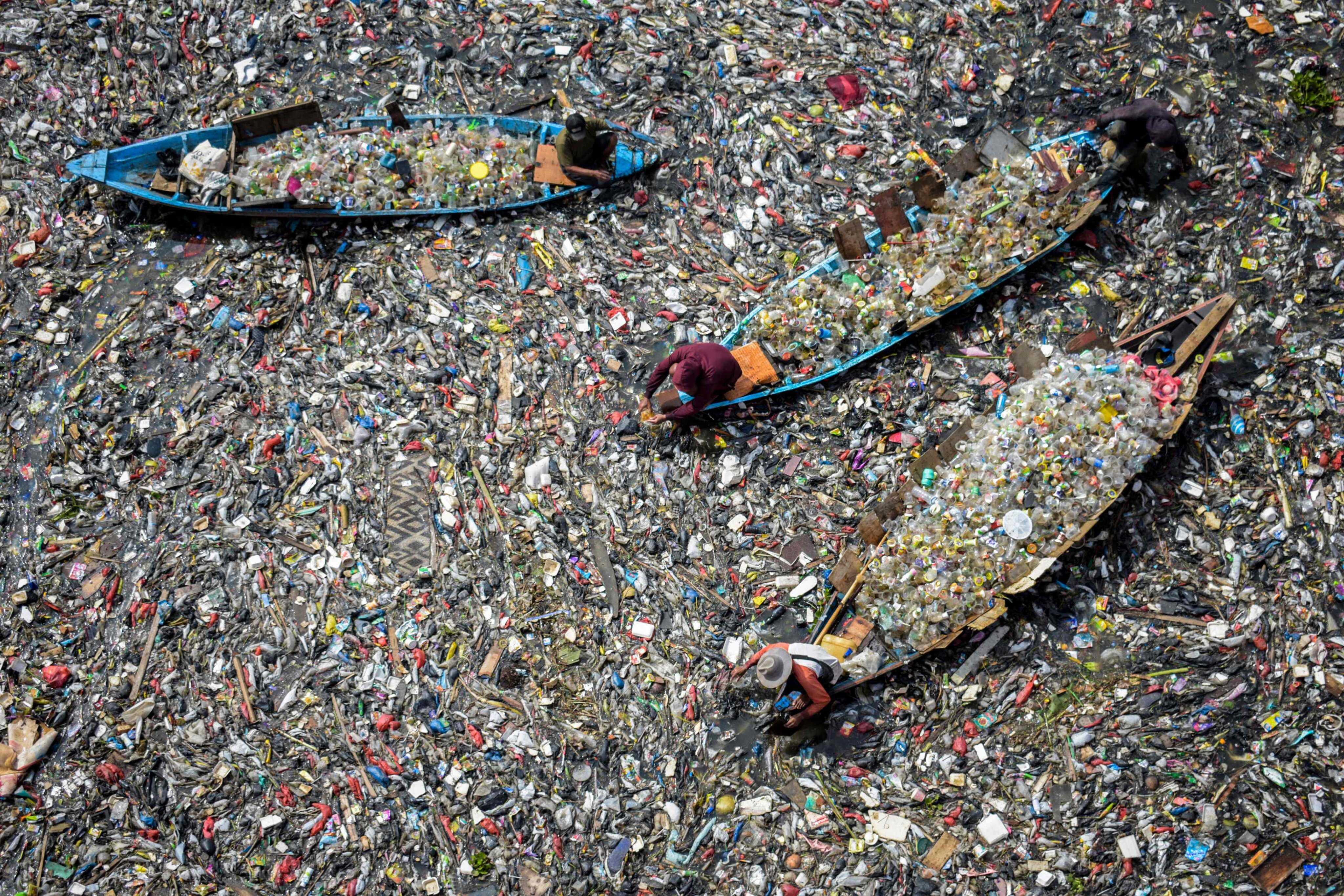
About eight million tonnes of plastic are dumped into the ocean every year. The plastic breaks into tiny pieces called microplastics.
Fish and other marine life eat these microplastics. When we eat seafood, we also eat these pieces.
Oil is used to power cars, planes and other machines. Sometimes ships have accidents while transporting oil by water. This creates an oil spill. It is dangerous for animals.
Learn more about how marine animals are affected by pollution.
Plastic in the ocean
Here are some of the most common plastic items thrown into the ocean. Explain what you can do to reduce the number of these items that you use.
-
bottles
-
food wrappers
-
cups and plates
-
single-use bags
-
straws
Plastic ocean simulator – pollution in a jar
Materials:
-
clear glass jar
-
blue food colouring
-
vegetable oil
-
bits of plastic (straw pieces or candy wrappers)
-
small sea-themed objects
Instructions:
1. Fill a clear jar halfway with water. Add a drop of blue food colouring. This will help you see the difference between the water and the oil later.
2. Add items that represent pollution: oil, plastic bits and small toys.
3. Put the lid on the jar. Shake it gently and see what happens. Where does the plastic go? What happens to the oil?
4. Write a journal entry from the perspective of a sea creature trying to survive in this polluted world.