Do you have something to share? Send us your poetry, stories, school events and other reports using this form.
“Hidden Effects Of Typhoons”
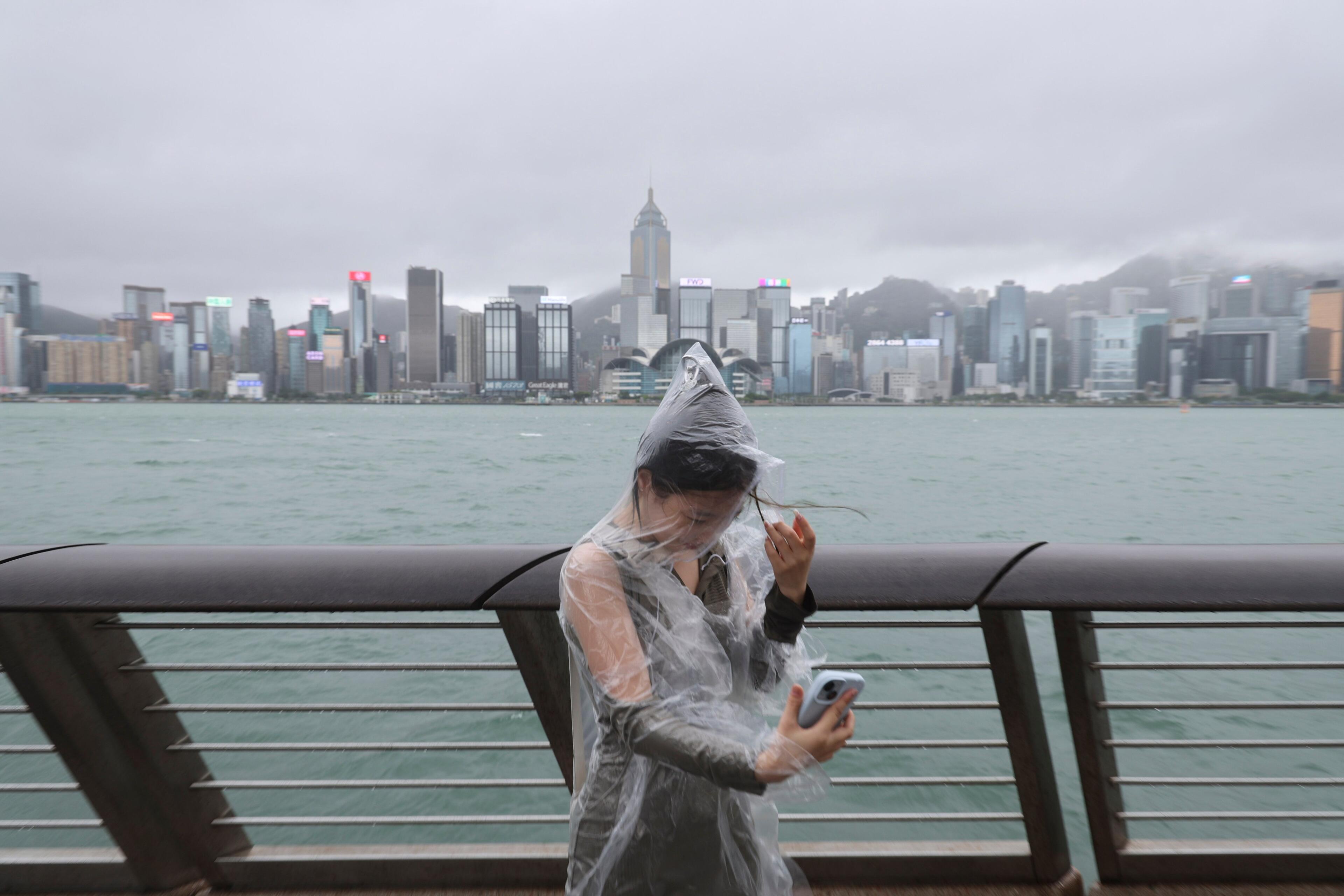
When Typhoon Yagi hit Hong Kong in September, many people savoured the unexpected holiday. But is a typhoon really a gift?
After the typhoon left, the streets were messy. More than 100 trees were uprooted, not to mention the countless trash cans that toppled over and sent litter everywhere. To most of us, it is just an unpleasant scene that will be gone in days.
But the street cleaners deal with the aftermath. Consider this: you are a 60-year-old senior with little protection in a maze of broken tree branches and litter. You must pick up trash while trying not to slip. As a cleaner, you work under time pressure to remove obstacles from roads as soon as possible.
While we relax at home, cleaners restore our community. Every typhoon is a burden on cleaners.
Typhoons are also a nightmare to another group of overlooked people: the homeless. Many of them live in open areas which are susceptible to typhoons and other natural hazards. Many of their homes are made of cardboard that can easily be destroyed in bad storms. Their clothes, sheets and other belongings can be blown away.
The government tries to take action by creating temporary shelters for the homeless. But these locations might be far, and they may have to leave behind some of their belongings.
Typhoons also have unexpected benefits for coral reefs, which are an integral part of marine life. These reefs are being damaged by a plethora of hazards such as overfishing, pollution and climate change. All of this bleaches the coral, which lose their colours and slowly perish. Although typhoons can damage weak coral, they also bring cooler water making the temperature more optimal for coral reefs to regenerate.
Typhoons come with blessings and curses. A holiday is fantastic, but we should look beyond our interests and consider those around us.