Do you have something to share? Send us your letters using this form.
Lin Yining (Primary 5), St Joseph’s Anglo-Chinese Primary School
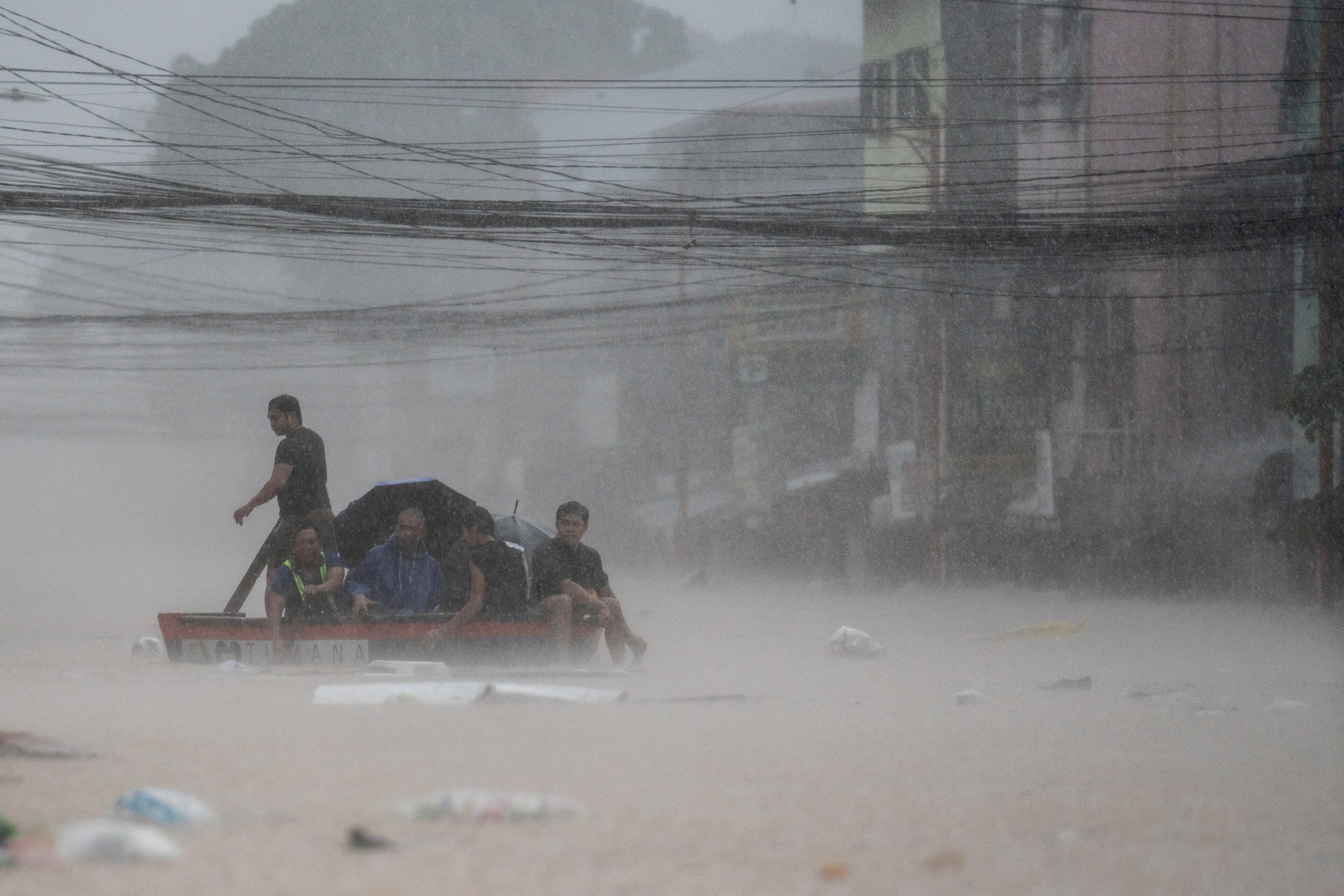
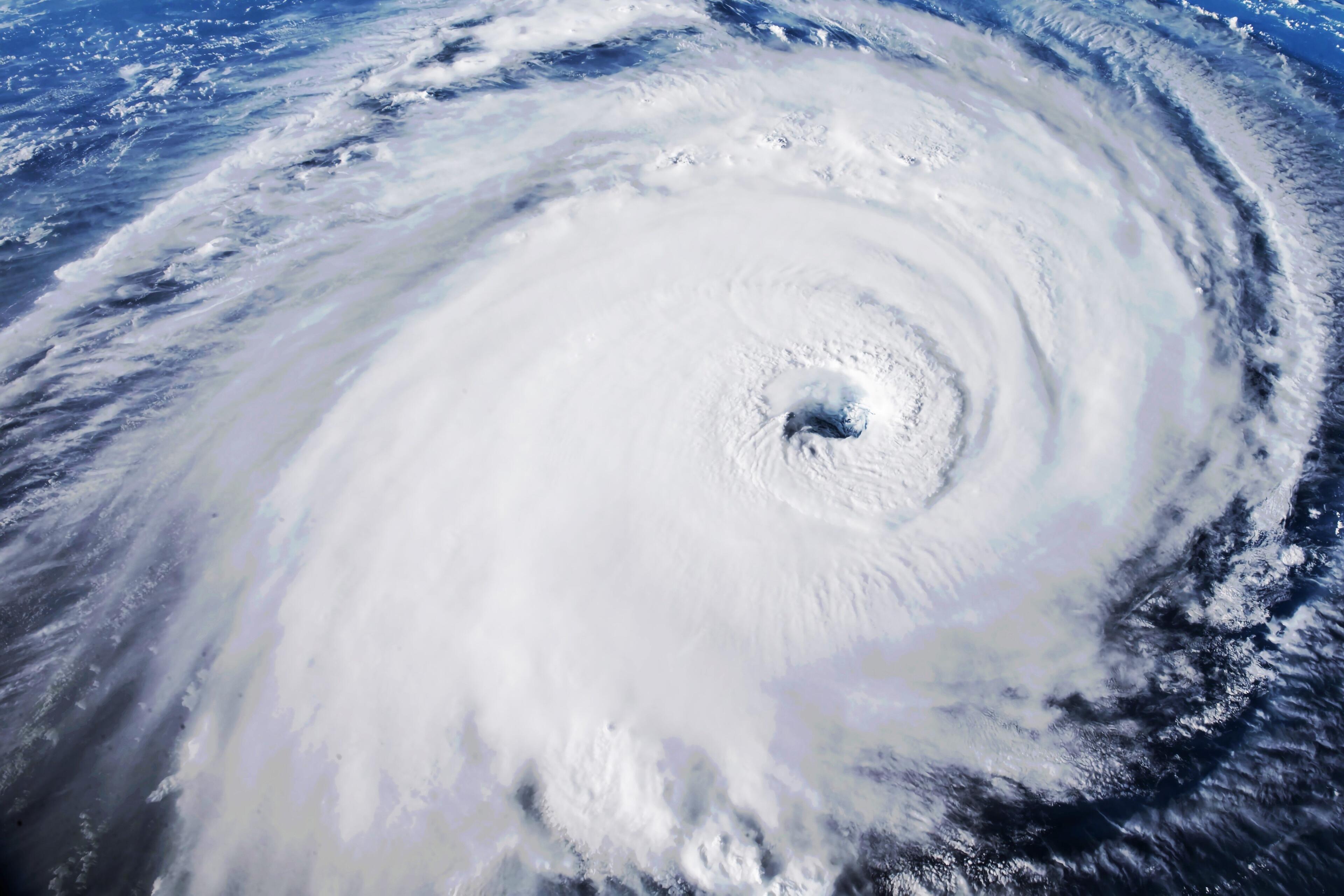
Have you ever experienced winds so powerful that they pull the trees out of their roots and wreak havoc on cities? These powerful tropical cyclones are hurricanes. They occur in the Atlantic Ocean, Caribbean Sea, Gulf of Mexico and eastern Pacific Ocean.
A hurricane begins when rain and weak thunderstorms circle around an area of low air pressure. This causes hot, humid air from the ocean to rise and form clouds and storms. As this process continues, the storm gets more powerful.
Since hurricanes are so dangerous, people have to protect themselves. For example, they might close all the windows and remove objects from high places.

Anna Chan Tze-yee (aged 11), Nord Anglia International School
When we adopted my dog, Mavis, she was shy and would get scared easily. But after a few months with us, she has changed a lot.
She gets excited when going for walks and now has friends around the neighbourhood. When I get back from school, she jumps on me, licks my face happily and wags her tail wildly.
Once, when Mavis had to wear a mask, it took her two seconds to take it off with her paw. My dog can use her paws as freely as we use our hands!
I hide a treat in one hand and present both hands in closed fists. Mavis then sniffs my hands and puts her paw on the correct one. I am so proud of her!
Emi Cheung Sin-ting (aged 8), St Paul’s Co-educational College Primary School
The Titanic was completed on March 31, 1912, after three years in Belfast, Ireland. It was the most luxurious ship at the time, and many people believed it was “unsinkable”.
The Titanic set off with over 2,200 people. The inside of the Titanic was unbelievable. It had electric lights, and first-class passengers had a fancy dining hall and a swimming pool.
On April 14, 1912, the Titanic hit an iceberg. Some people escaped the sinking ship by getting on lifeboats; 705 people survived, while more than 1,500 people died.
This is a tale of progress and terrible loss. This mighty ship is a symbol of the great things people can achieve and the huge mistakes they can make.