Content provided by British Council
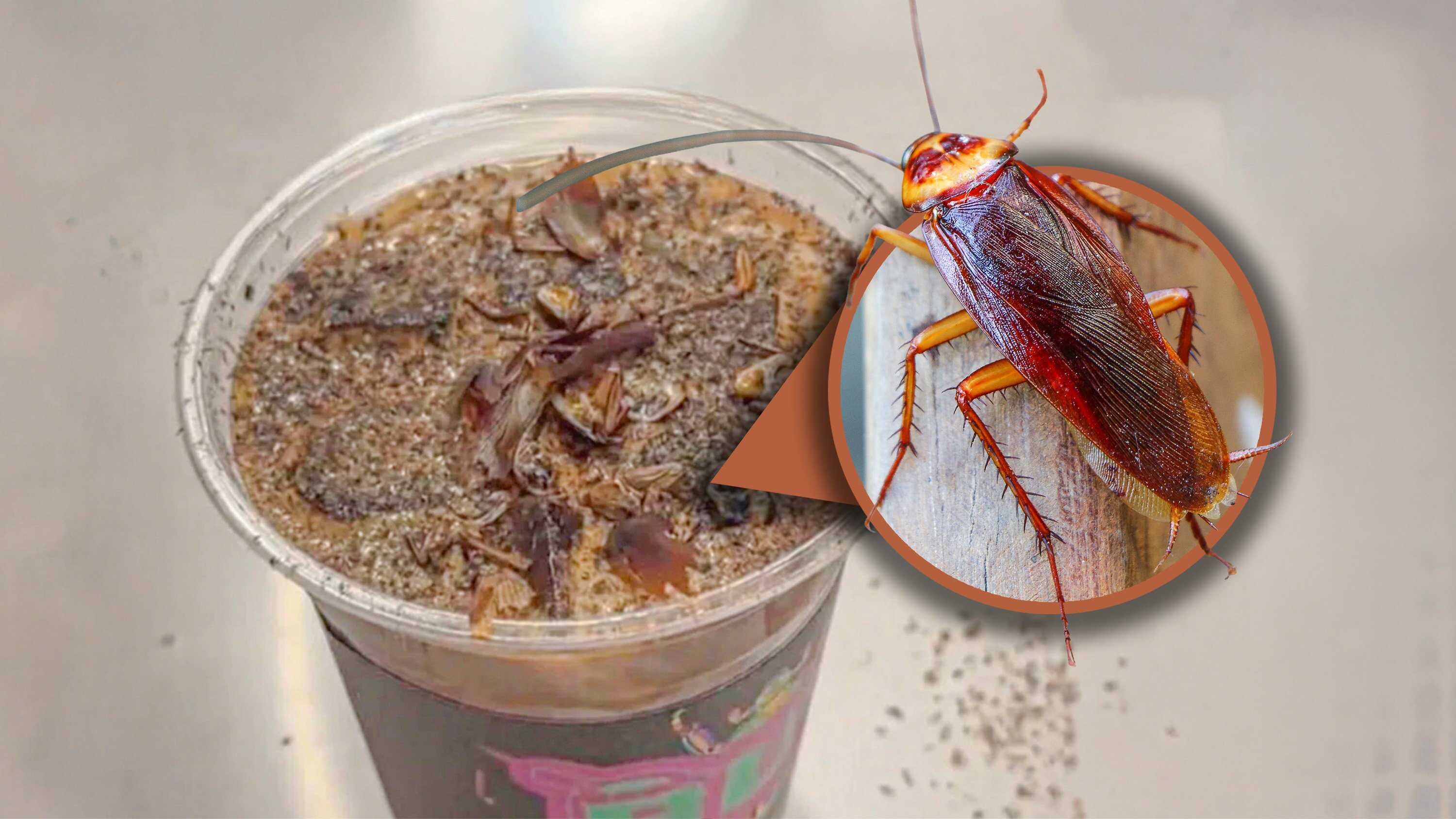
[1] A museum in Beijing has launched a coffee brew sprinkled with cockroach powder. The drink also has dried yellow mealworms. Drinkers said it had a “burnt and slightly sour” flavour, the news outlet The Cover reported.
[2] The roach coffee is on sale at an insect museum in the capital city of China. One cup costs 45 yuan (HK$49.50). The museum’s name was not given in the report. “We launched this type of coffee at the end of June, and it trended on the internet recently,” an employee of the museum told the media. “As an insect-themed museum, it seemed like a good idea to have drinks that match.” Their new series also includes a beverage made with a pitcher plant’s digestive juice and a limited-edition drink made with ants.
[3] The ant brew was only sold during the Halloween period, the unnamed employee said. He said all the ingredients were bought from a traditional Chinese medicine (TCM) herb shop, so customers could be assured of the safety of their drinks. TCM theories claim that cockroach powder can be used to help blood circulation. Doctors believe protein-rich yellow mealworms can help boost people’s immune systems.
[4] The museum employee said that the ant drink tasted sour and the pitcher plant brew tasted like ordinary coffee. “The roach coffee is mainly consumed by curious young people. Parents with children do not like it as they dislike cockroaches,” he said. The shop sold more than 10 cups of the roach brew a day, said the worker.
[5] Beijing-based blogger Chen Xi tried the crushed insect coffee at the request of his fans. He closed his eyes and drank it quickly. “Well, it is not as disgusting as I thought,” he said. Many internet users were unsure about the creative drink. “I dare not drink it even if you pay me,” one person said.
[6] Creative coffee flavours are not uncommon in China. Earlier this year, a cafe in Yunnan province, southwestern China, raised eyebrows by mixing deep-fried worms with coffee. In eastern Jiangxi province, another coffee shop puts fried chilli and hot pepper powder in their lattes.
Source: South China Morning Post, November 19