Content provided by British Council
[1] If one were to travel to what is now Hubei province, 4,500 years ago, they might have been fortunate enough to discover a vibrant civilisation characterised by palaces, advanced engineering, and luxuries such as jade. In the generations that followed, this culture gradually declined, with its people dispersing across the region.
[2] The reasons behind the collapse of such a civilisation were not well understood until now. A group of scientists now believe that the Shijiahe civilisation, which flourished along the middle Yangtze River from 2500 to 2000 BC, was ultimately undone by climate change. They pointed specifically to a dramatic increase in flooding that rendered the region uninhabitable for any society.
[3] Professor Gideon Henderson from Oxford University noted in a statement that the insights into Shijiahe culture, provided by lead author Dr Jin Liao from the China University of Geosciences in Wuhan, allowed the team to illustrate how climate change affected Shijiahe societies. He said the collaboration “enabled us to demonstrate, for one of the first times, that high rain [could] cause problems for past societies, as well as drought conditions”.
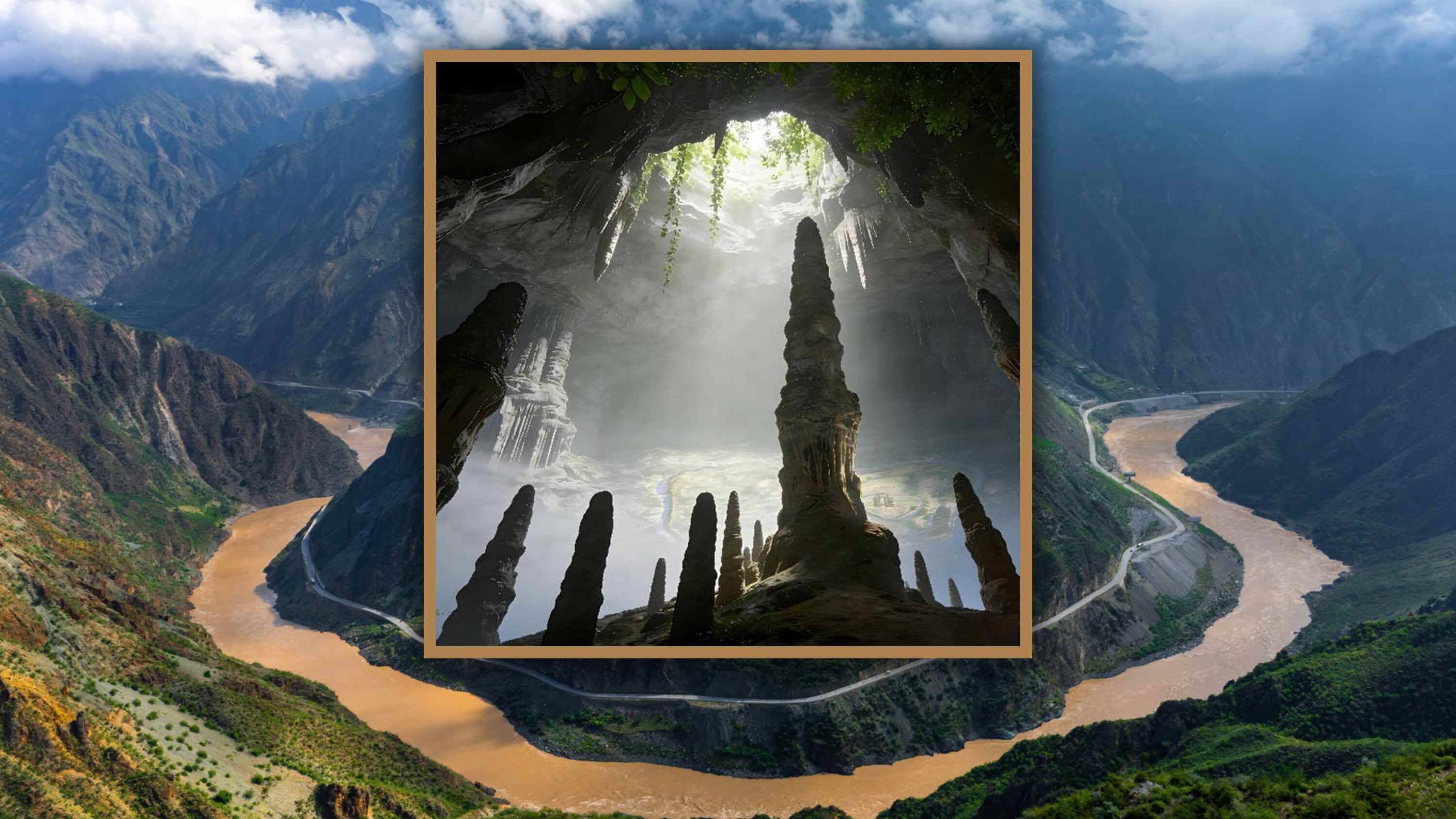
[4] The Oxford researchers collected chemical data from layers of a stalagmite in a cave to create a “rainfall yearbook”. They gathered 925 samples from a thousand-year period that coincided with the existence of the Shijiahe civilisation. Their findings revealed that the region experienced an extreme environmental and cultural shift around 3,950 years ago. This coincided with the year of the heaviest rainfall recorded in their climate yearbook.
[5] The two major “flooding periods” lasted for 140 years and 80 years, respectively. The researchers detailed how expanding lakes engulfed farmland, ultimately making sustained settlement impossible. It appears that the Shijiahe people had adapted their millet cultivation to thrive during dry seasons but struggled to grow the grain during excessively rainy periods.
[6] Without modern water management technologies, the population was forced to migrate. This led to the abandonment of all Shijiahe urban centres. As the Shijiahe faded, the region was eventually absorbed by the Shang dynasty (1600–1050 BC). It was the first Chinese dynasty confirmed by archaeology, which rose during a significant dry period. Dr Liao said these statistical findings highlight the limitations of ancient societies’ abilities to withstand dramatic climate changes.
Source: South China Morning Post, March 25