Every week, Talking Points gives you a worksheet to practise your reading comprehension with exercises about the story we’ve written
Picture studying abroad. You might think of the excitement of being in a new environment. Or maybe you want to make friends from different cultures and eat unfamiliar foods. But studying abroad can come with many challenges, and it is important to be ready for the ups and downs.
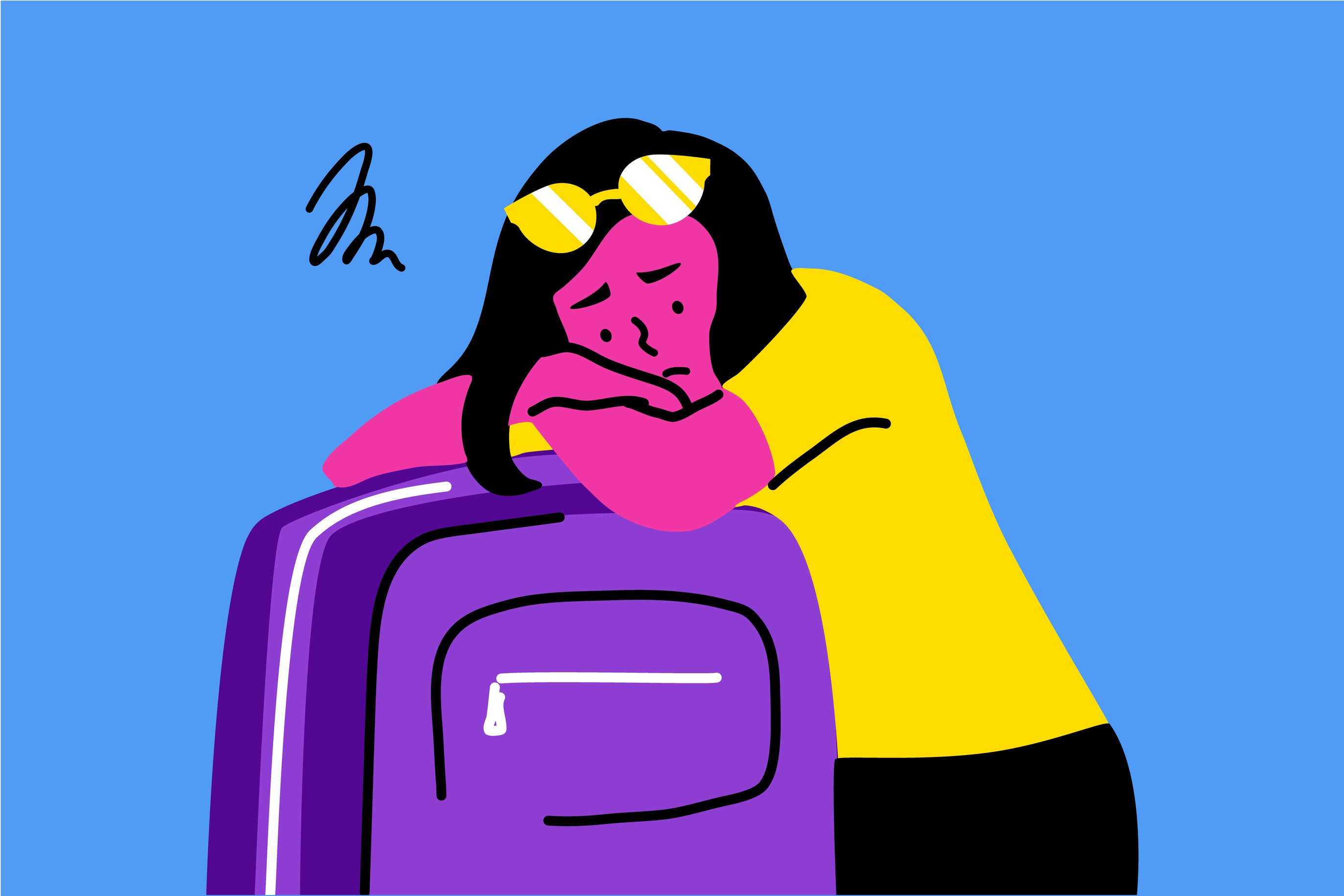
It is not easy to be away from your parents and live in a foreign place. Depending on where you go, you may not speak the same language as most other people. You might feel shocked by how different the culture is. You might feel homesick.
All of this could cause you to feel stressed and lonely. To learn more, we spoke to a therapist and a psychiatry professor. They explained how to deal with common challenges of studying abroad.
The challenges
Thousands of Hong Kong students study abroad each year. Popular destinations include the United States, the United Kingdom, Australia and Canada.
Lolita Schmalenberg is a therapist in Hong Kong. She works with teens and young adults. She explained that some problems a person studying abroad would face would be similar to any challenges when leaving home for university.
She said young people could encounter “anxiety as they experience new life challenges”. For example, students might wonder, “Will I be able to handle the workload? Will I meet new friends?”
The therapist said that loneliness and anxiety were common among university students. But students studying abroad face a more unique problem: cultural differences. Schmalenberg said these students might wonder, “How will I fit in?”

Mental health
Dr Lee Sing is a professor at the Chinese University of Hong Kong. He is a psychiatry specialist with years of experience in youth mental health.
Lee said studying abroad could worsen a young person’s mental health conditions.
“There are also many stressors that accompany that period of time in life,” Lee said. “Parents must make sure their kids get proper assessment and early treatment before they pursue an overseas education.”
Lee added that for most children, he would not recommend studying abroad until the later years of secondary school.

Making the decision
Schmalenberg asked students to consider why they want to attend a certain school. It could be because of student societies or clubs, events and other opportunities. The therapist also suggested asking yourself, “What area of the world makes you excited?”
Most importantly, Schmalenberg said students should ask themselves: “Does it feel like you’re ready to move away from the city that you grew up in and try something new?”
If you want to study abroad but want to stay closer to home, she suggested applying to places in your “neighbourhood”. These places would have a similar culture to yours and need less travel time to go home. For Hong Kong students, that could include mainland China, Taiwan and Southeast Asian countries such as Singapore and Malaysia.
Dealing with anxiety
For students who choose to study abroad, Schmalenberg shared some tips:
-
You can find new friends by joining on-campus clubs, sports and activities.
-
For those anxious about classes and coursework, Schmalenberg advised speaking to professors and teaching assistants.
-
Students who feel especially anxious and lonely should visit their school’s health clinic and ask about mental health support services.
The therapist also emphasised the importance of staying connected to friends and family back home.
“Don’t hide your low mood, anxious or overwhelmed feelings from the people who love you,” she said.