[1] Nearly 60 female lawmakers in Japan, including Prime Minister Sanae Takaichi, have asked for more restrooms in the parliament building. They want the number of restrooms to match the increase in the number of women in their group.
[2] More women got involved in politics in the last election, and Takaichi became Japan’s first female prime minister in October. However, most Japanese politicians are men. There is only one bathroom with two stalls for the 73 women in the lower house near the main meeting room of Japan’s parliament, called the National Diet Building, in Tokyo.
[3] “Before [meetings] start, so many women lawmakers have to form long queues in front of the restroom,” said Yasuko Komiyama from the opposition Constitutional Democratic Party. She said that in December, she gave a petition signed by 58 women to Yasukazu Hamada. Hamada is the chair of the lower house committee on rules and administration.
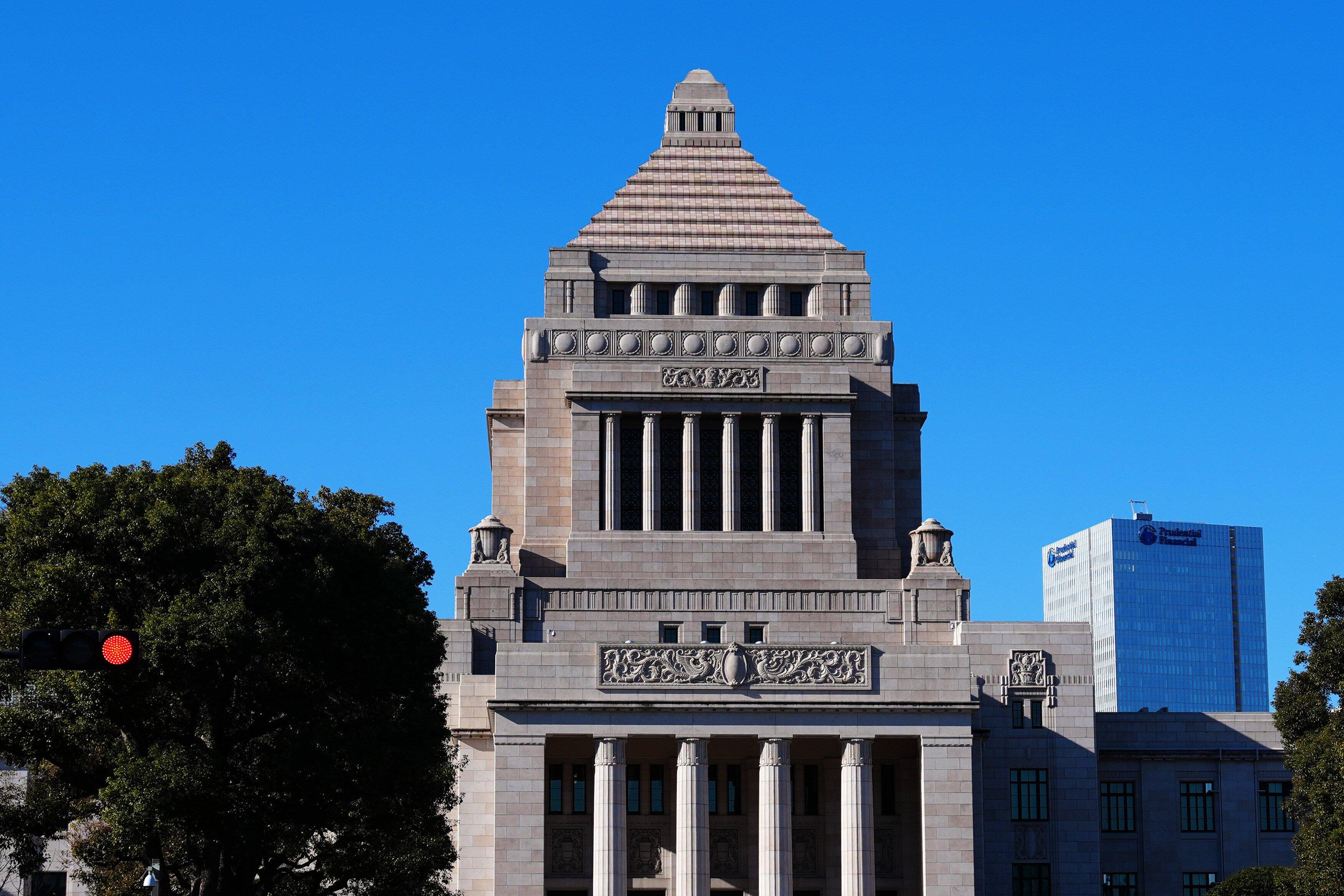
[4] The Diet building was completed in 1936. This was almost ten years before women were allowed to vote in December 1945, after Japan lost World War II. According to the Yomiuri Shimbun newspaper, the lower house has 12 men’s bathrooms with 67 stalls. There are nine women’s bathrooms with a total of 22 cubicles.
[5] Japan has strict ideas about gender roles. The country was ranked 118 out of 148 in the Global Gender Gap Report last year. Women are not well represented in jobs or the media. When it comes to elections, female candidates often hear sexist comments, like being told they should stay home and take care of their children.
[6] Currently, 72 of 465 lower house lawmakers are women, up from 45 in the previous parliament, as are 74 of the 248 upper house members. The government wants at least 30 per cent of the seats in the legislature to be held by women.
[7] Takaichi is an admirer of former British Prime Minister Margaret Thatcher. Before becoming prime minister, she said she wanted more women in her cabinet, like in Sweden and Norway. In the end, she appointed only two other women to her cabinet of 19. Takaichi, who is 64, wants to help people understand women’s health issues. She has talked openly about her own experiences with menopause.
Agence France-Presse, December 31