Growing up in Hong Kong, Laiba Bukhari knew she wanted to be a teacher. But over the past two years, the 23-year-old lost her job twice because both schools she worked for closed.
Bukhari earned her bachelor’s degree in education from The Education University of Hong Kong this year. She worked at New Generation English Kindergarten & Nursery in Tuen Mun from September 2023 until the school closed in April 2024.
Next, she worked at Sung Kei Kindergarten in Kwai Chung from September 2024 until the school closed in July.
Though Bukhari is young, she has others relying on her income: “I’m the only person who can work [in] my family, so I had to find a job right away,” she said, adding that losing a job so early in her career made it hard to find her next opportunity.
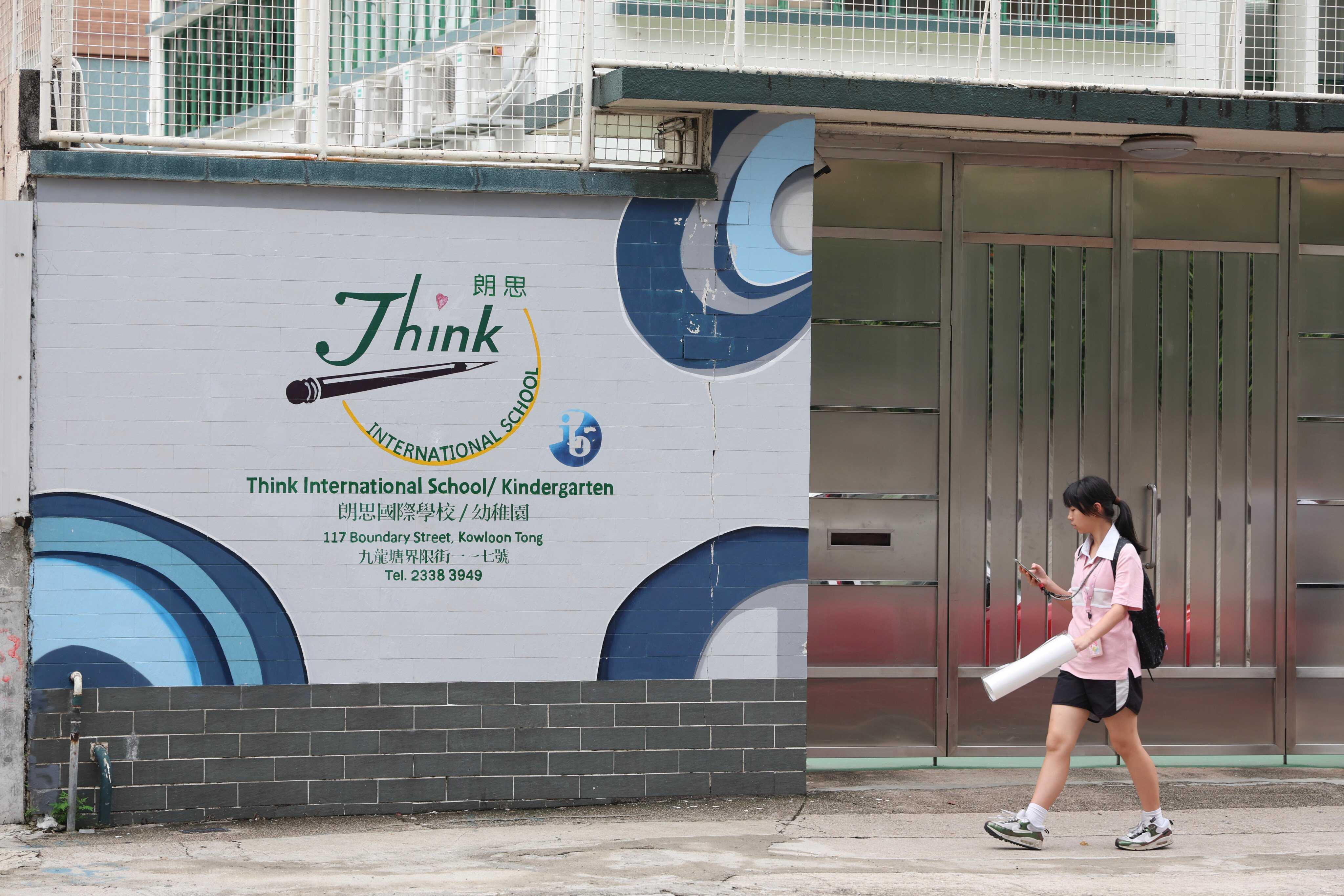
Government figures show that kindergartens and primary schools have experienced a steady decline in student numbers in recent years.
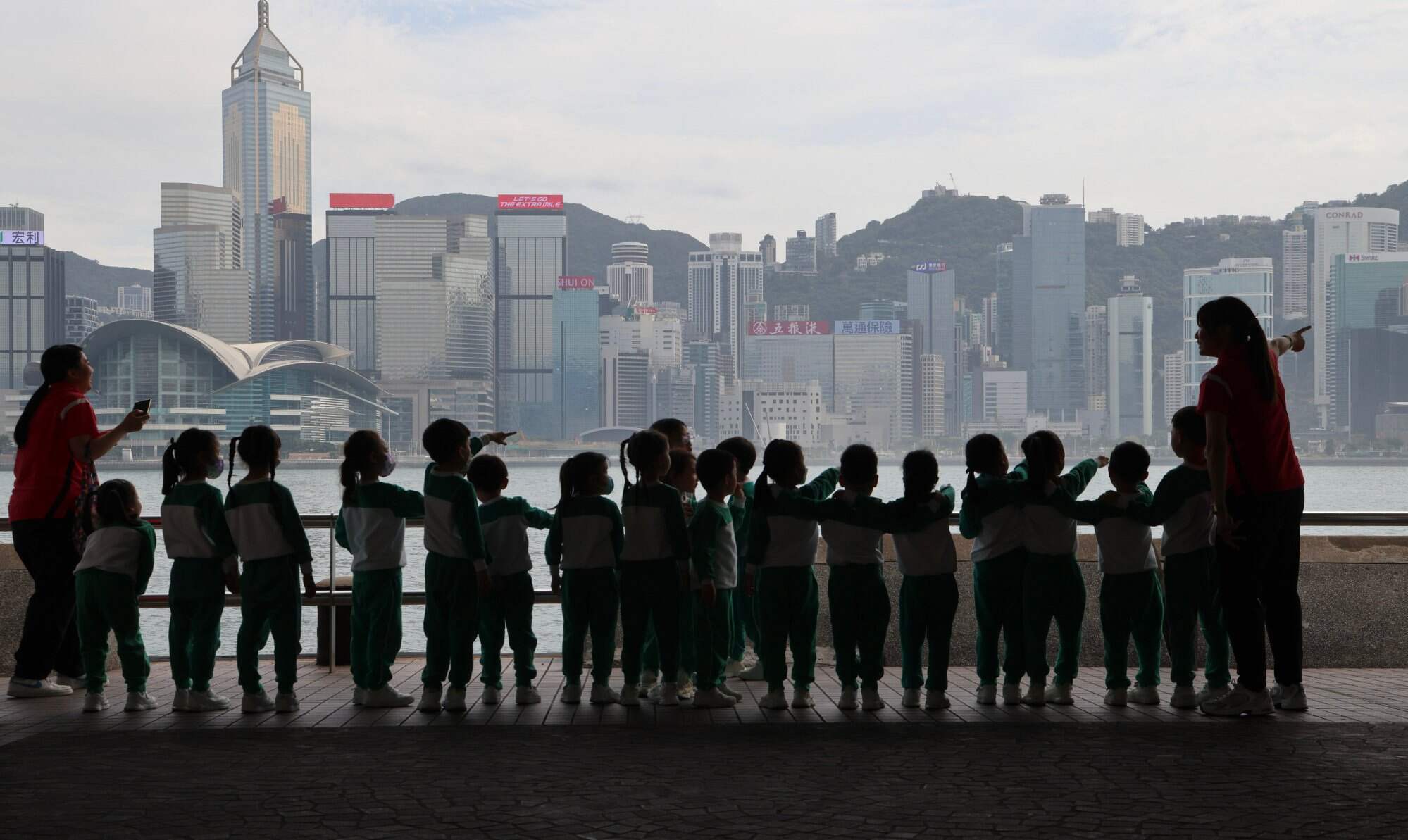
In 2019, there were 1,049 preschools in Hong Kong. That number dropped to 980 in 2024 and is expected to continue its downward trend.
Meanwhile, figures from the Census and Statistics Department detailed that the number of live births in Hong Kong fell from 95,451 in 2011 to 36,953 in 2021.
Chu Kwok-keung is a lawmaker for the city’s education sector and the vice-chairman of the Hong Kong Federation of Education Workers. He stated that the reason for school closures was not only low birth rates but also because many families have emigrated from Hong Kong.
Since kindergartens are privately owned, they may also face unsustainable costs, he said.
Sense of loss
One of Bukhari’s former colleagues, Alessandra Rosa Dos Santos, had been a Native English Teacher (NET) at New Generation for two years when the school shut down. She explained that there were some “subtle” warning signs ahead of the closure.
“There [was a] ... noticeable decrease in student enrolment and discussions among staff about the school’s financial challenges,” said Dos Santos, who moved to Hong Kong from Brazil in 2003.
Dos Santos, 43, said she was “not entirely surprised” by the ongoing school closures. “Still, seeing how widespread the issue has become is unsettling and disheartening.”
Dos Santos is still looking for another job. She said the closure came with a “strong sense of loss”.
“The emotional impact of the closure lingered for weeks. Coping with this change required a lot of resilience. I leaned on friends and family for support during this uncertain period,” she said.

Need for change
Chu urged the government to find ways to “boost births [and] to foster a family-friendly environment”.
He also worried that the “uncertain outlook” would “discourage” young people from pursuing early childhood education as a profession: “[This would mean] a shortage of kindergarten teachers that could affect teaching quality in the long run,” he said.
Meanwhile, Bukhari expressed concerns about how school closures could impact students.
“It really affects the development of a kid to be taken out [of school] and suddenly be changing teachers every single year. I think it’s very hard for them to develop that sort of long-term relationship [or] friendship,” she said.
She pointed to the larger issue of low birth rates and said the city’s government needed to make it easier for people to have children.
“Hong Kong is a very expensive city to live in,” she said. “The rent is really high, but the salaries are quite low. There’s a reason why people are not having kids.”