Hong Kong student Katia Alcaraz knows just the spot to hang out with friends who share her love of reading: a public library in Sai Kung.
The 16-year-old student from Hong Kong Academy likes exploring new books and ideas there.
“Public libraries give me the chance to explore books I’ve never heard of before,” she said. “I truly believe there’s nothing better. They give me a quiet space to focus and access to a variety of materials.”
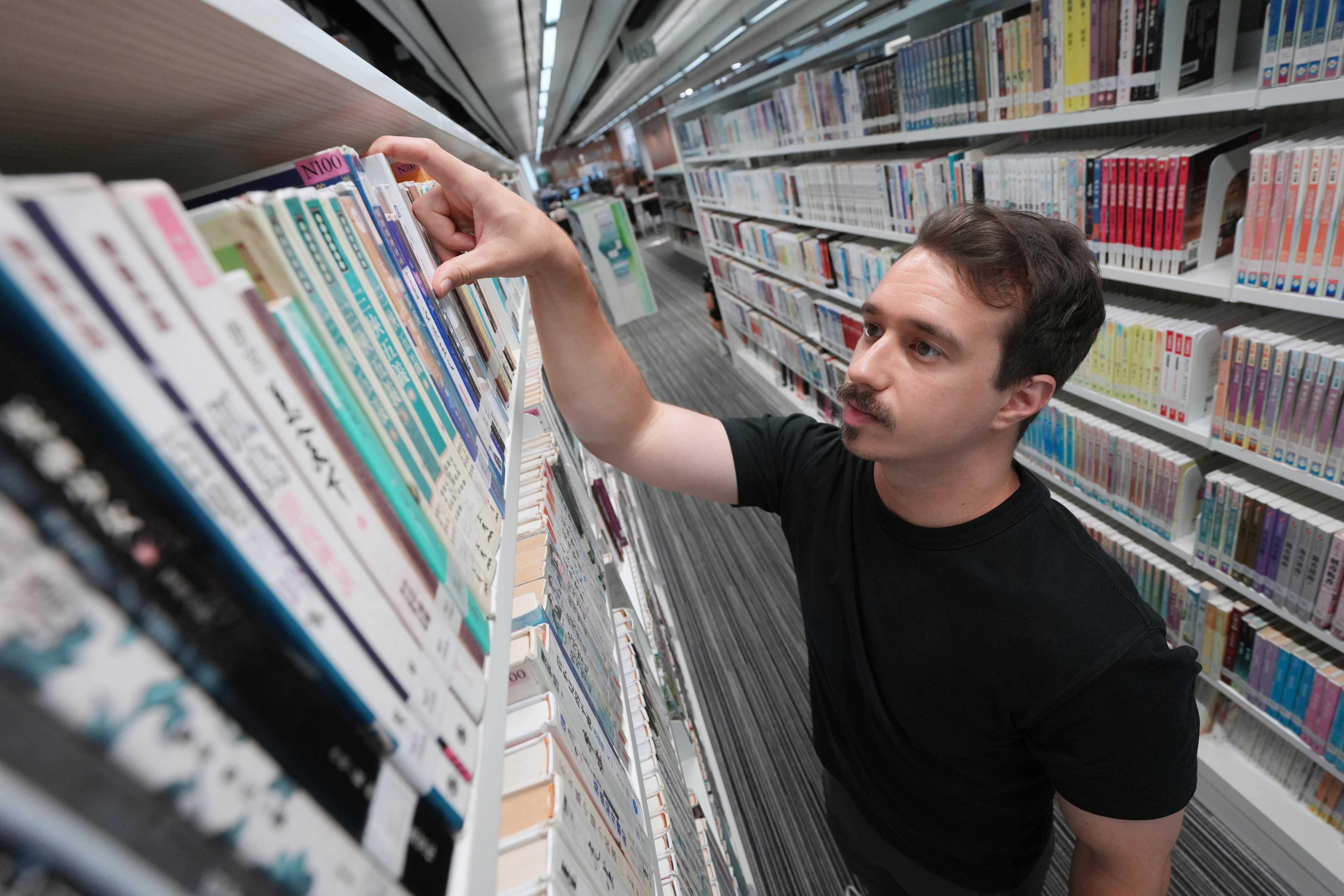
Author and content creator Steven Stratman is also a big fan of libraries. He has made it his mission to visit and document every public library in Hong Kong.
Stratman moved to Hong Kong from America nine years ago. He said he appreciated how each of the city’s libraries had “its own flavour”.
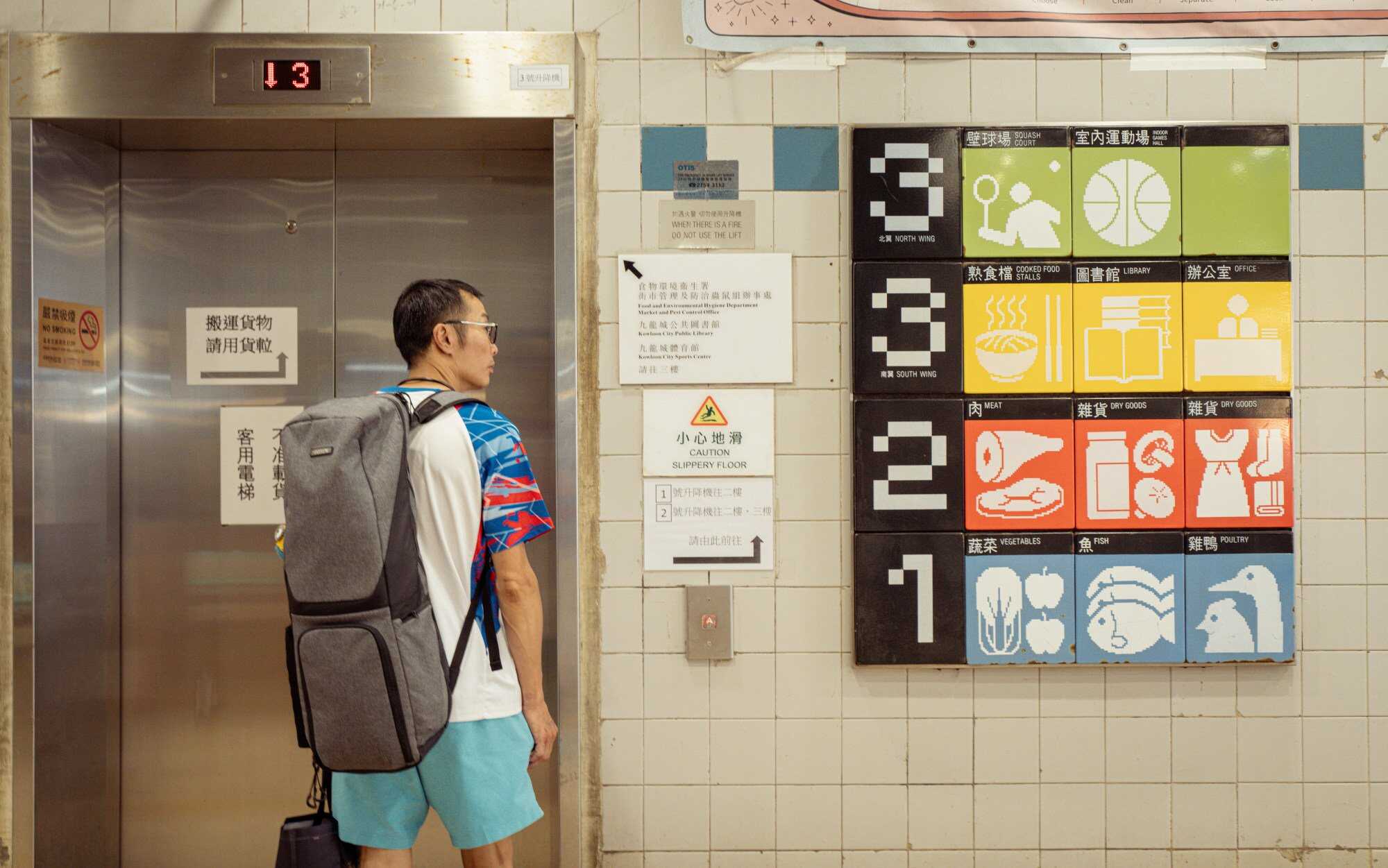
“You get everything from sleek steel-and-glass buildings to libraries tucked above wet markets, which makes exploring them so much fun,” he said.
Stratman is fascinated by the way some older libraries are part of municipal buildings or wet markets.
“Where else in the world do you weave through wet market tables to get to a library entrance, like on Electric Road? That’s special,” he said.
Why aren’t people visiting libraries?
But for many Hongkongers, public libraries are mostly seen as boring places for students to study.
During the pandemic, many people stopped visiting libraries. Now, they are struggling to bring visitors back.
According to the Leisure and Cultural Services Department, visits dropped from 34.7 million in 2019 to just 21.5 million in 2023. Last year, the visitor numbers improved a little to 23.8 million.
But the use of e-books increased from 960,000 in 2019 to a record 3.4 million in 2020. Even after the pandemic, people are still using e-books. Last year, the city had 2.3 million e-book uses.
Ku Kam-ming is the president of the Hong Kong Library Association. According to Ku, physical visits are no longer the best way to see how people use public libraries today.
The popularity of e-books shows that people are now reading in a different way.
“Declining visits signal a shift, but not the end of libraries,” he said. “They underscore the importance of adapting services ... to sustain a reading culture in both physical and digital realms.”
What’s special about these spaces?
Stratman’s videos online discuss the design of each library. He hopes to inspire viewers to rediscover these reading spaces.
Stratman said he was surprised by some of the Hongkongers who watched his content.
“Some people tell me they’ve lived in a district for 20 years and never realised there was a library tucked inside a municipal building,” he said.
“People reached out to say they’ve never looked at their neighbourhood library that way before – that it took someone from the outside to help them see how unique these spaces are.”
For teenagers, he hopes his content can inspire them to “ditch their electronics and go to the library”.
“You’ll remember sitting in that chair, reading that book ... You probably won’t remember where you were when you read an article on your phone,” he said.
But according to Stratman, many libraries look very boring. He suggested making them more fun for young people.
“These kids are under so much stress ... and they spend hours in these rooms with bad lighting,” he said.
“It wouldn’t take much, just a little colour, to make the spaces more welcoming. That could go a long way.”