Do you love a challenge? Don’t miss the chance to win great prizes by taking part in our next writing contest! Click here and fill out the online form to apply. The entry question is: If you could live in any fictional world, which one would you choose? The deadline is 11.59pm on Monday, February 23. We will notify the new contestants chosen on Friday, February 27.
Read the responses to this week’s Write to Win prompt and choose the answer you like most using this form.
We have prepared some exciting prizes for our top three contestants:
-
Winner: Kindle, City’super voucher and a YP certificate
-
First runner-up: Instax camera and a YP certificate
-
Second runner-up: City’super voucher and a YP certificate
Seagull
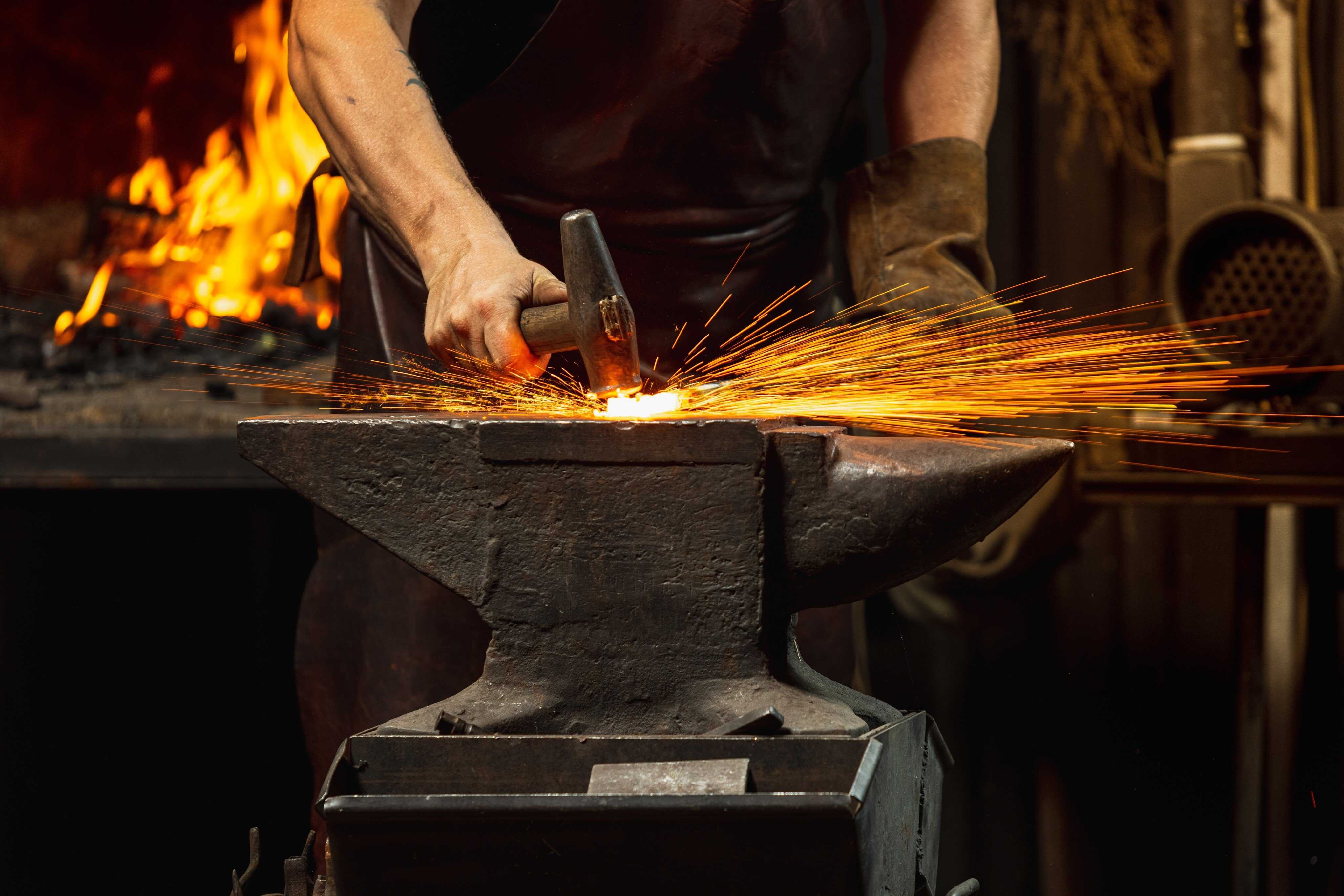
One obsolete skill that society should bring back is blacksmithing.
Before industrialisation, local blacksmiths were vital, as they fixed and created tools that people relied on. Items were repaired and customised rather than discarded, creating a sense of sustainability and resourcefulness.
Today, our mindsets have shifted, and we waste a lot of resources even when something is only partially broken. Often, we don’t even consider repairing it.
Blacksmithing is great for when you need something of a certain size or shape but cannot find it online. It is where the skill of shaping things by hand becomes essential. This skill encourages creativity and problem solving while also reducing reliance on mass production.
Blacksmithing could inspire a repair culture in which people value durability and quality over convenience. It can change our perspective, making us see broken items not as waste but as opportunities for renewal and for turning trash into useful, high-quality items.
This mindset and shift would reduce unnecessary waste and reconnect our minds with craftsmanship and creativity. Moreover, blacksmithing can help us understand what people faced in the past.
Reviving blacksmithing could turn ideas into practical action. It is also a cultural reminder that resourcefulness and quality are just as important as convenience and efficiency. Imagine what we could do with this skill.
Kiwi
My mother would always make dinner for our family, no matter how exhausted she was or how late it was. However, as a student chasing deadlines, I only wanted quick food; delivery was my best option. I never understood her: why bother with frittering away effort when technology brings convenience?
The answer was only revealed two weeks ago, when I ordered delivery again, late at night. I found the kitchen lights on and a pot of warm porridge on the hob. Beside it was a note saying “Your dad has been in bad health for a long time, and I have been cooking since we began living under the same roof. This food healed his body and raised you; it holds our family together.”
It was at this moment that I realised I had never considered my mother’s point of view, and I felt I had lost the ability to feel humility, undermining the care my mother was nurturing. That night, I took my thoughts one step further: does a lack of empathy cause conflict?
Indeed, it does. The loss of such aptitude stems from fear. Previously, people were forced to sit and listen to one another more, for example, in families at the dinner table. In contrast, now, technology allows us to order delivery, eat alone and avoid difficult conversations easily.
We are so afraid of being challenged and poked that we build a wall around our narratives. Psychologists call this “narrative identity,” referring to the ever-evolving life stories we create to make sense of our lives. We are the central characters in these stories, and any conflict seems to challenge our point of view.
This can make us blind to emotions and experiences outside our own, allowing us to see conflicts but miss the deeper context.
Bringing back the idea of narrative humility – recognising the limitations of our stories and ways of thinking – is not an act of nostalgia; it is essential for our future. Rather than immediately criticising others, we should begin by asking, “Where does your story start?” This does not require us to agree with every story, but to acknowledge each narrative’s existence and internal logic. It is similar to how we recognise the value of Shakespeare, even when his work feels unrelated to our lives.
Next time, before ordering yourself a cold meal of avoidance, why not enjoy a warm porridge of understanding?
Owl
One of the most important skills that should be brought back is the ability to read a map.
This skill might seem underwhelming when compared to all the convenience technology has given us. Indeed, GPS applications and other useful online mapping tools can be accessed with just a few taps on our phones.
Still, we cannot ensure every corner of the world is covered by phone signals. There may be a time when the satellite navigation system malfunctions, and that is when map-reading skills come in handy.
Picture yourself hiking, but suddenly, your phone dies. You try to return via the same path you’ve just hiked, but you get stuck. If you could read a map, you could use it to navigate a smooth path to the exit and save yourself from being dangerously lost in the wilderness.
Some people may argue that this skill will become increasingly useless as technology advances, but I believe it will remain helpful for the near future. More people are pursuing sustainable development projects in underdeveloped areas, where nature is preserved and protected from urban development.
Owing to these factors, the need for map-reading skills may no longer be as crucial as it was in the past, but it still retains some importance for future generations.