Every week, Talking Points gives you a worksheet to practise your reading comprehension with exercises about the story we’ve written.
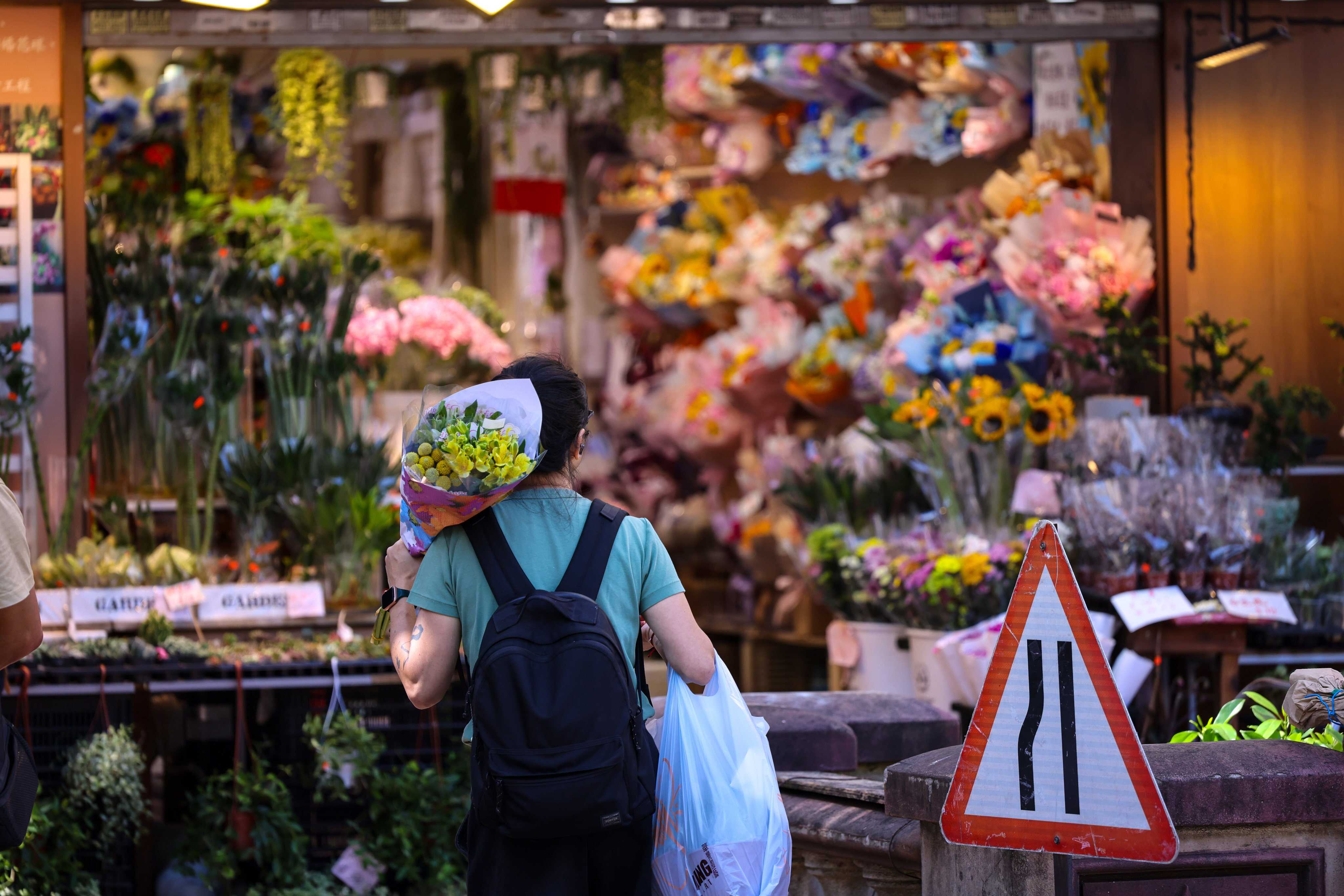
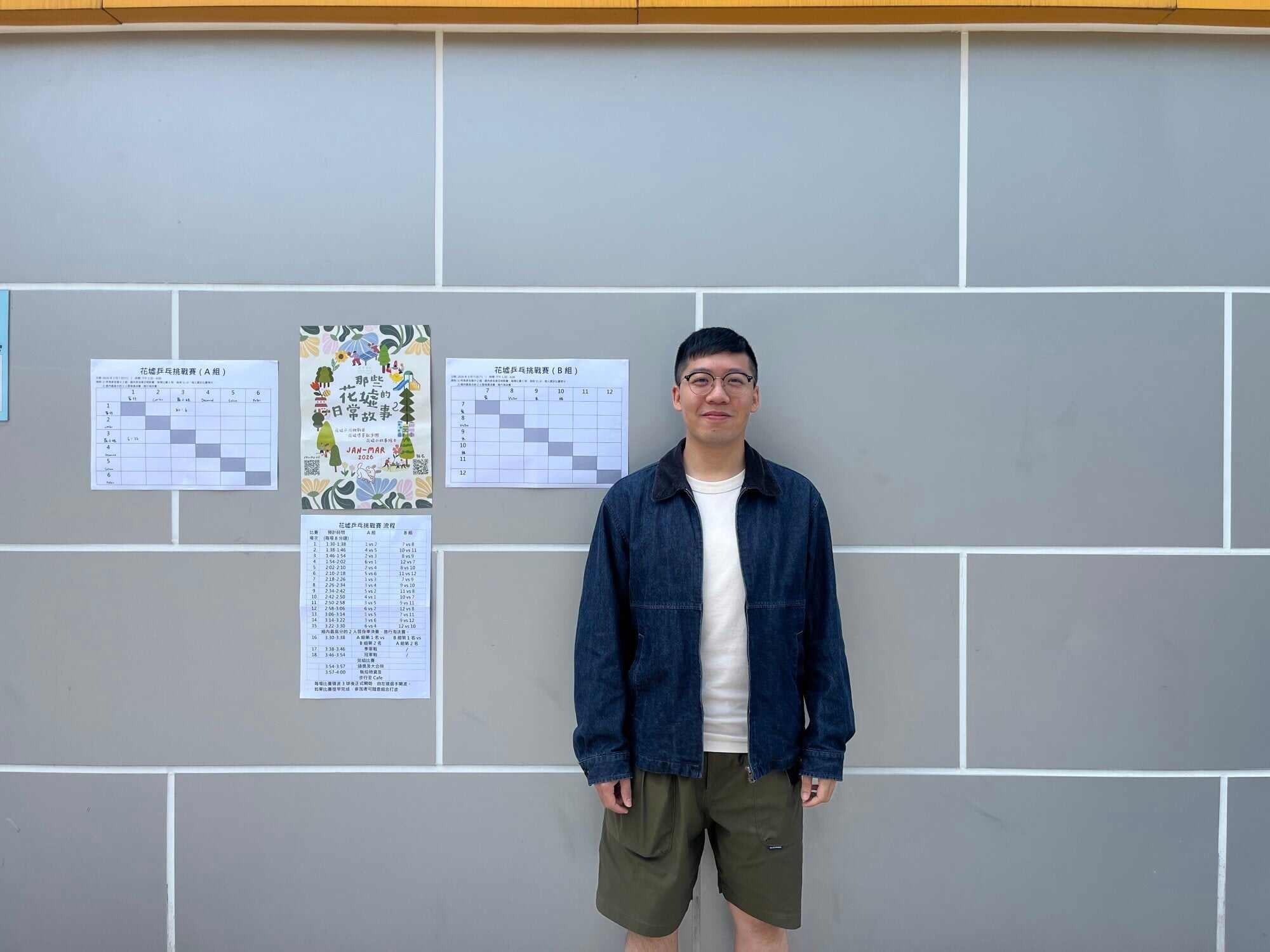
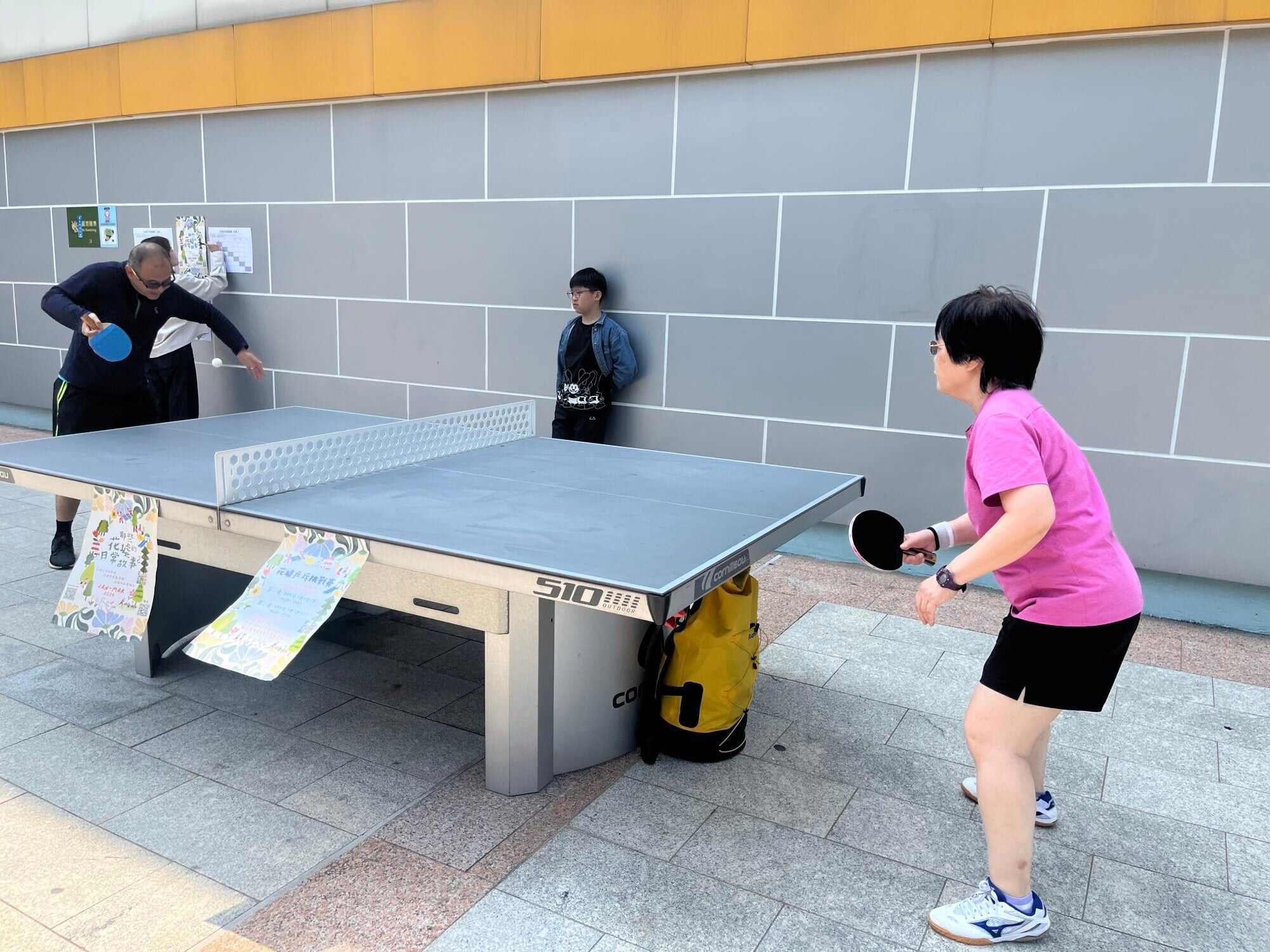
On a Saturday afternoon, a group played table tennis at a park near Hong Kong’s famous flower market in Prince Edward.
This month, there were two team tournaments. Prizes came from a nearby flower shop.
The events are part of a community effort to strengthen local ties before the government redevelops the area. They were organised by Urban Diary, a storytelling NGO focused on sustainability. Their community-led project is called Rosemary in the City.
The group has also hosted walking tours of the area. Next month, they plan to launch an illustrated book featuring interviews with flower market shops.
Carbo Leung, who is 34 years old, is one of the organisers. The park’s concrete tables hold decades of his memories. He grew up playing table tennis with his father here and has watched the tables change over time.
“It’s tied to my childhood,” Leung said. “Back then, the tables were stone. They’ve been upgraded since, but they’re still in the same three spots.”
Next to the table tennis area is a space where the elderly often rest on benches or stretch under the sun. Leung shared what made this area so special.
“It is quite rare to find a place in the middle of the city with so much greenery – somewhere so comfortable, peaceful and pleasant,” he said.
What does the government plan to do?
In 2024, the government announced it would upgrade 31 buildings aged between 64 and 76 years. This plan affects about 275 households and 33 ground-floor shops around Sai Yee Street and Flower Market Street.
The project is scheduled to finish in 2036. It aims to turn the area into a green hub and expand the flower market with new facilities and more open space.
Some vendors are worried that the market will lose its character after the government redevelops it. Some residents are concerned about losing their bonds with the local community.
Since Leung’s building falls in the redevelopment zone, his family will have to move. He said they felt “helpless” about their situation, though they understood this was part of the process. They got an offer from the government to buy their home but have yet to decide what to do.
As redevelopment plans move forward, Leung hopes to remind people that public spaces are important for community life.
“We need to return to the original intent of redevelopment,” Leung said.
“If the goal is truly to improve the lives of the people living there, then you should be protecting the locals – whether they are business owners, residents or just people who use the community spaces.”
The impact of redevelopment
One of those joining the table tennis game was 24-year-old Wood*. She was concerned that redeveloping this old neighbourhood might take away the shops and residents who make up this community.
“The reason neighbours say it changes the community structure is … everything starts costing [more] money,” she said.
“Once it’s high-end, the neighbourhood vibe is gone, and the things that belonged to the locals are gone.”
Another participant, Fat*, 27, travelled from Yuen Long for the event.
Fat said he welcomed redevelopment projects because they could bring change to older districts.
“It can’t last forever. Old buildings come with a lot of ‘old building problems’,” he said.
“Eventually, they all have to be torn down because our technology isn’t designed to build things that last forever, and the economy doesn’t produce things that never break.”