




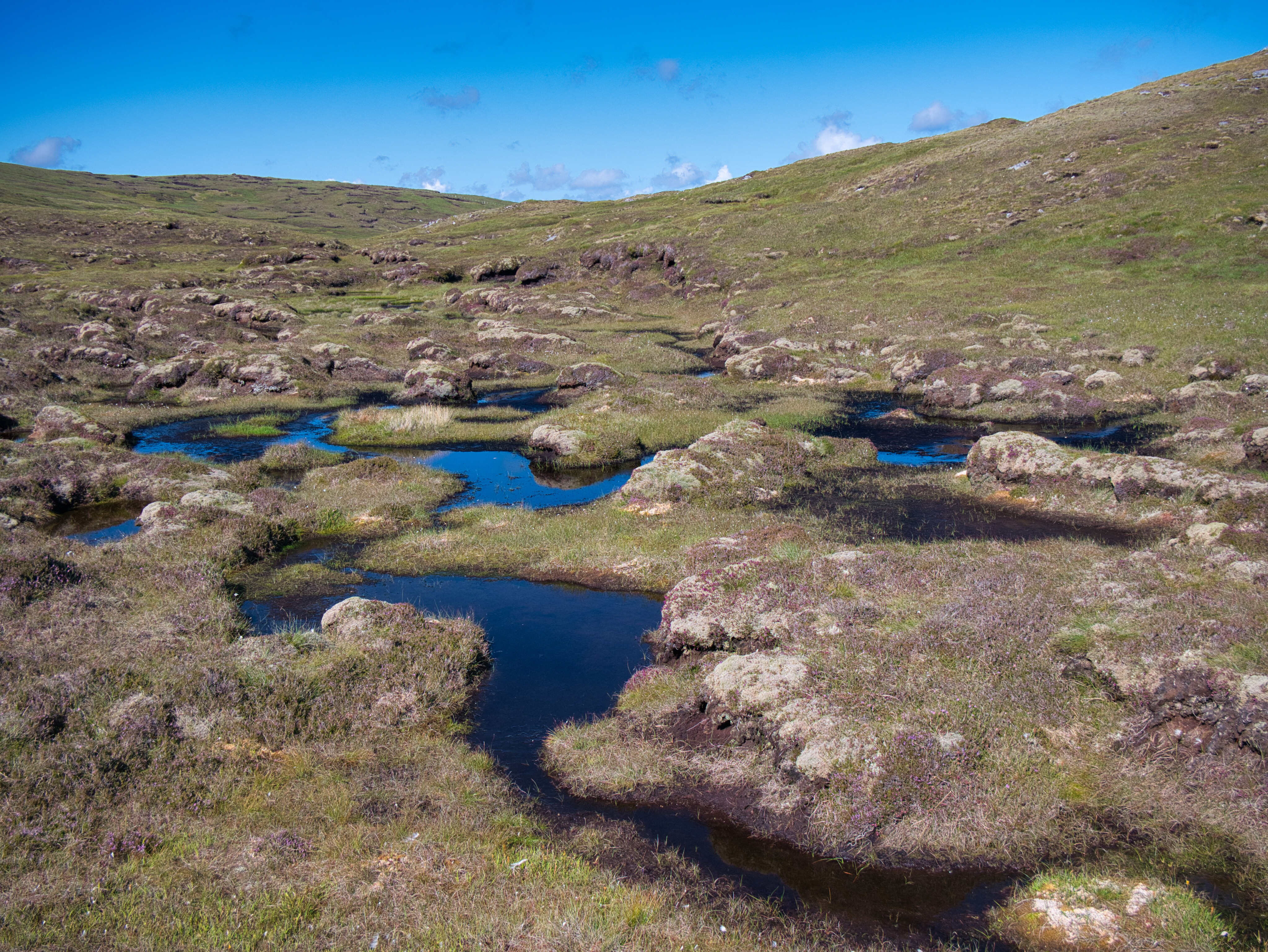
Peatlands cover more than half of Scotland’s Shetland Islands. These bogs act as giant carbon sinks, storing more than twice as much planet-heating carbon dioxide as all the world’s forests combined, locked in by their colourful patchwork of sphagnum mosses and heathers.
A peatland is an area of land where peat – partially decomposed plant material – has accumulated, creating wet, soggy soils (see graphic).
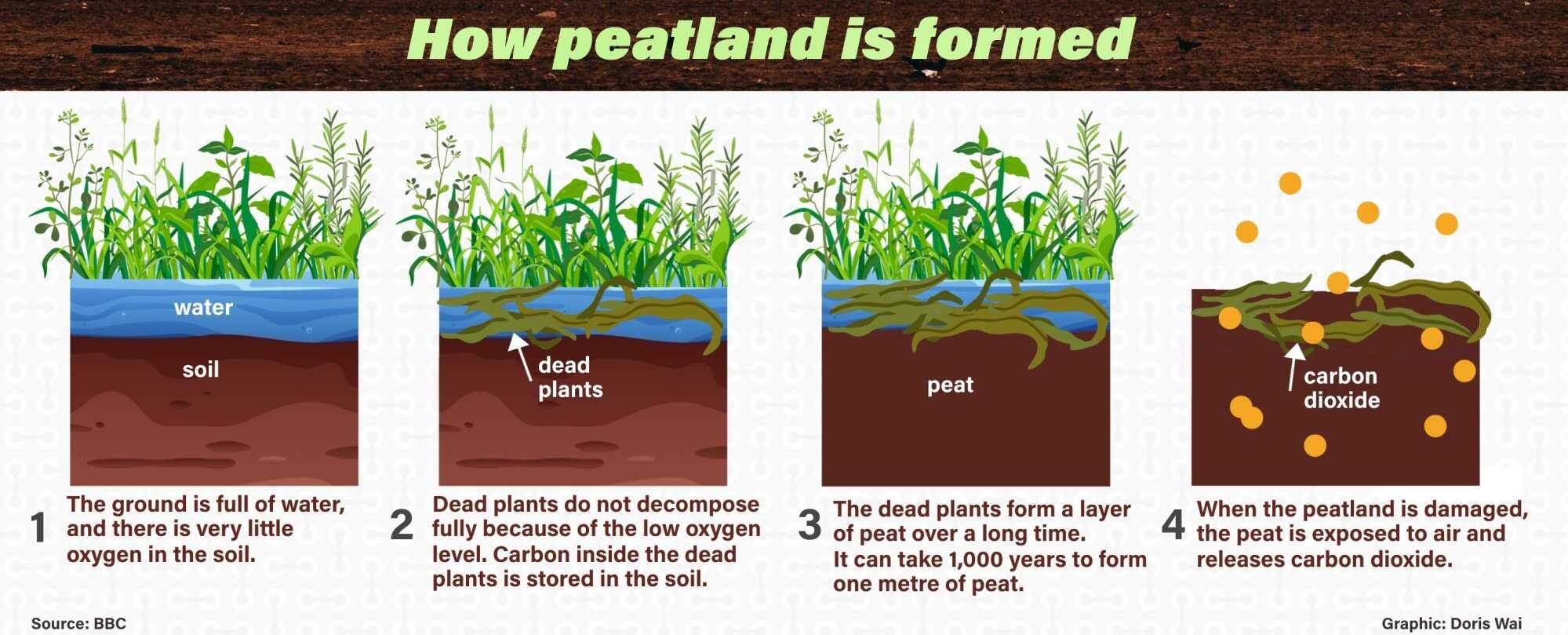
Often known as peat bogs, swamps or marshes, these waterlogged ecosystems of decaying plant materials store at least 550 gigatonnes of carbon, despite making up just 3 per cent of total global land. That is around 15 times the world’s expected total emissions from fossil fuels in 2023, at 36.8 gigatonnes.
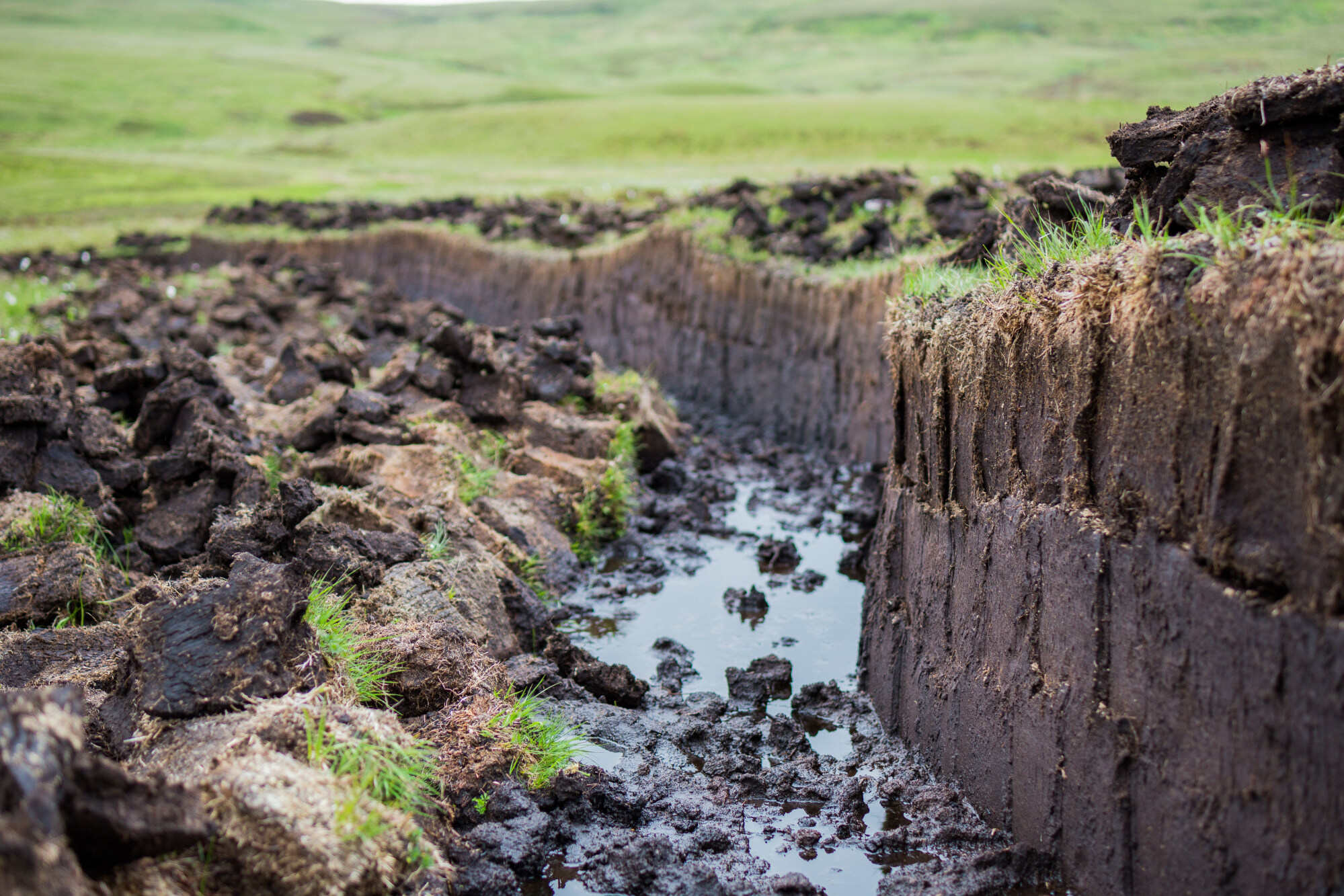
Years of drainage for farming and peat harvesting have stripped large swathes of Shetland’s bogs bare – many scarred as if gashed by a giant knife. “All this bare peat is emitting huge amounts of CO2,” said Sue White, Peatland ACTION project officer at the Shetland Amenity Trust.
Should local schools consider going paperless?
When peat is damaged or extracted for energy use, it releases sequestered carbon – and peatlands are responsible for almost 5 per cent of carbon dioxide emissions from human activity, according to the International Union for Conservation of Nature (IUCN).
Besides climate protection, peatlands are also critical for preserving biodiversity, ensuring safe drinking water, and reducing flood risks – something which became all too apparent to White 11 years ago.
After heavy rainfall, swathes of peat slid down the hill above her home, blocking a stream and sending water with chunks of peat “the size of armchairs” flooding into her house.
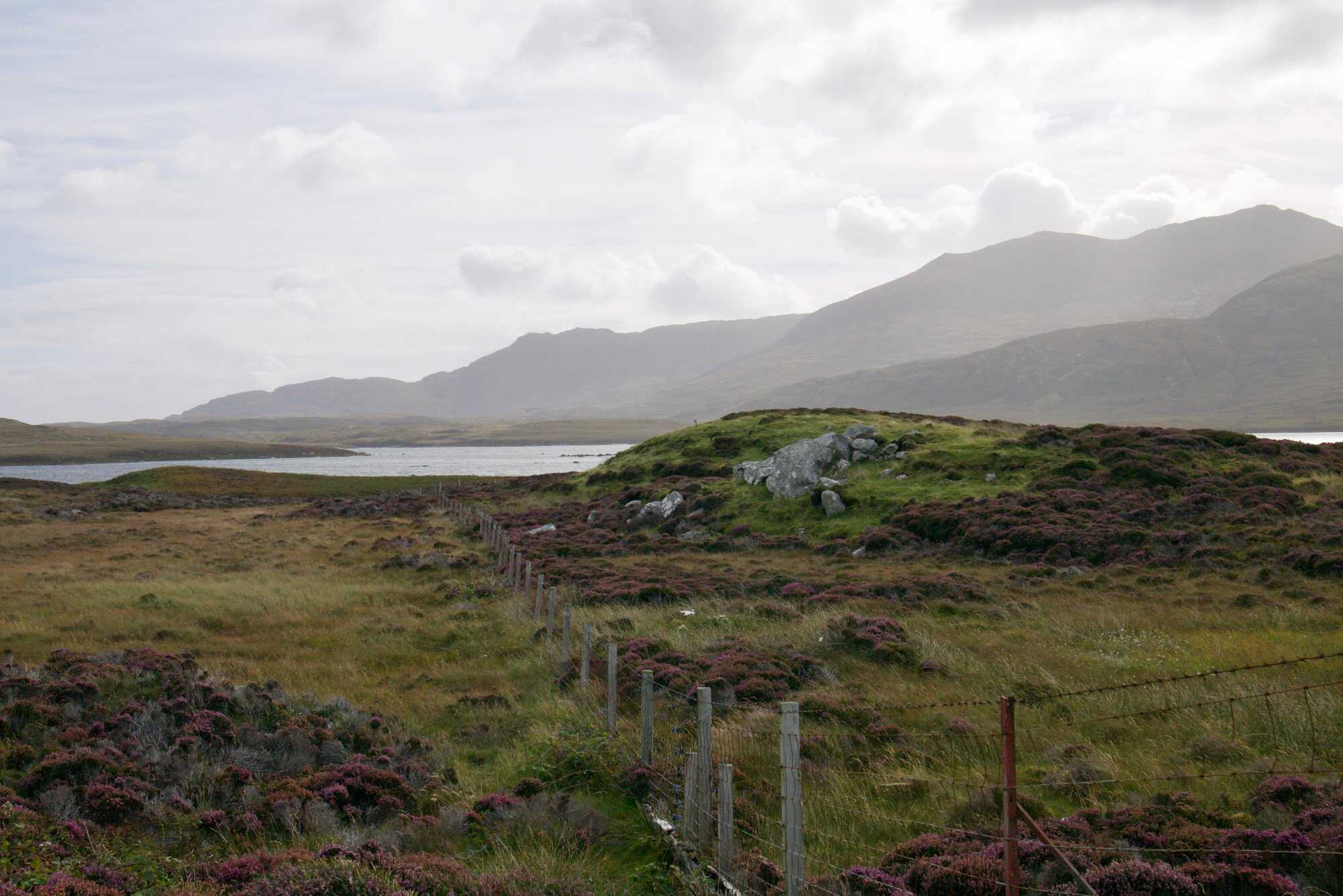
She lost nearly everything on the ground floor and even her car was washed away. “For days you could see the peat moving down the hillside,” she said. “It was just like gravy.”
More than 20 per cent of Scotland is peatland but about 80 per cent of it is damaged. The Scottish government is investing £250 million (HK$2.47 billion) to restore 250,000 hectares of degraded peat through its Peatland ACTION programme this decade.
Dianna Kopansky, who coordinates the Global Peatlands Initiative (GPI) at the UN Environment Programme, said countries including Scotland, Indonesia and Germany have recognised peatlands’ role in decarbonising their economies.
Heat projected to kill nearly five times more people by 2050
The GPI was created after devastating fires in Indonesia in 2015 burnt 2.6 million hectares of forest and peatlands. It has since supported restoration projects on the archipelago as well as in Peru, the Democratic Republic of Congo and Republic of Congo.
Nonetheless, very few countries include peatlands in their national climate action plans. An analysis of 147 plans in 2022 found peatlands mentioned in just 22, including Britain and Indonesia but not the European Union.
Kopansky wants leaders to recognise the importance of peatlands in reducing emissions and adapting to climate change, and to set up a task force to create global peatland restoration and protection targets for the United Nations Climate Change conference summit next year. “Peatlands need special attention if we are to have any hope at making the goals set out in the Paris Agreement,” she said.
How does peatland restoration work?
In peatland restoration, diggers “reprofile” the damaged edges of bogs to create a gentler slope that reduces erosion.
Dams are also built to hold more rainwater on the hills. This helps the land to become saturated again and provide an excellent habitat for sphagnum and other plants and wildlife.
A healthy peat is wet, made up of around 95 per cent water – with some peatlands having a lower solid content than milk. Once a dried-out bog is wet again, restorers plant mosses such as sphagnum and other vegetation to protect it. The sphagnum will eventually form more peat, and helps to slow the flow of water running off the peatlands.
