




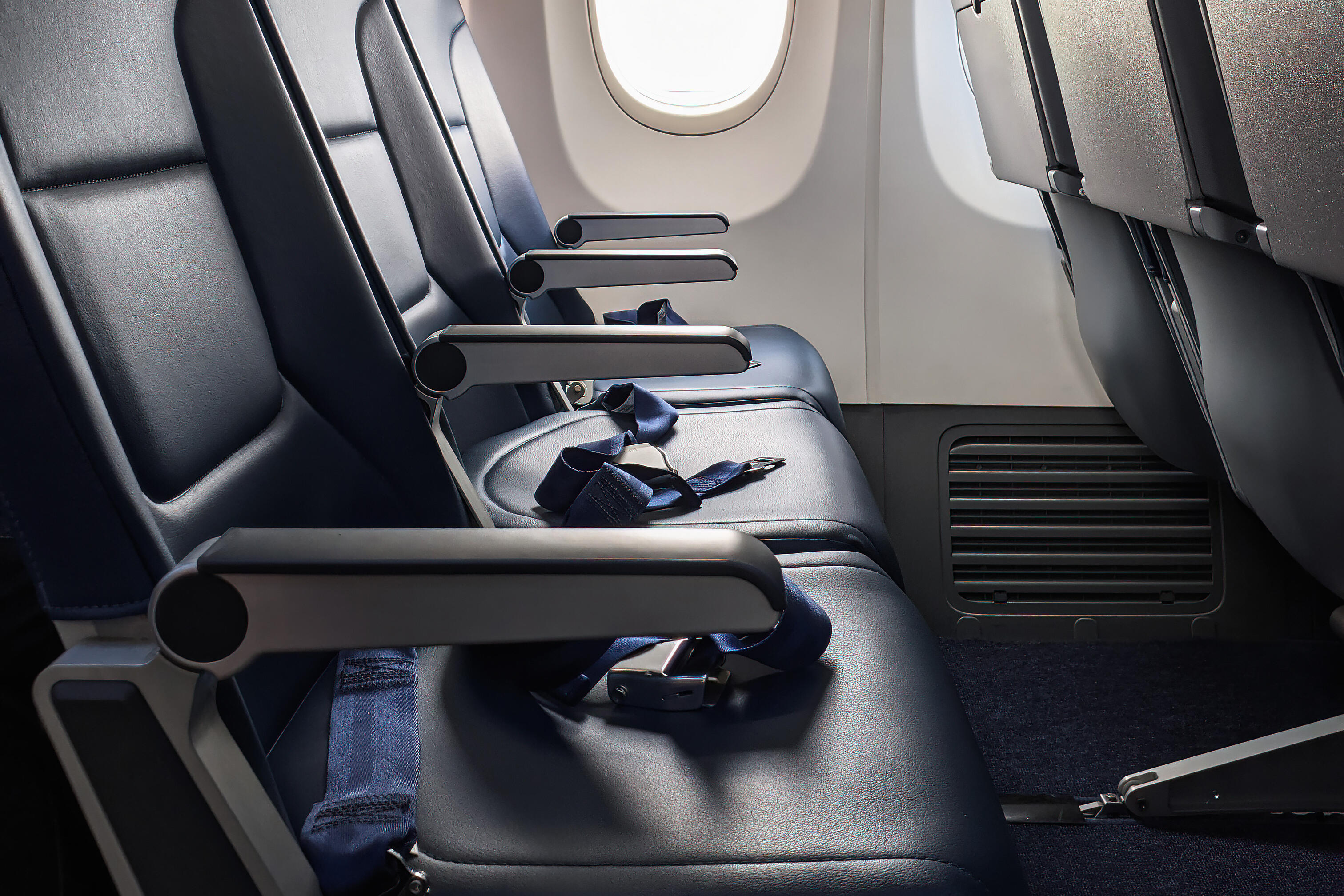
The crash of a Delta Air Lines plane in Toronto, Canada in February ended with all 76 passengers hanging upside down, strapped in their seat belts.
Even though the aircraft landed belly up and caught fire, everyone – including the four crew members – survived, though some passengers were severely injured.
Aviation experts say that the fact everyone wore their seat belts likely prevented injuries and deaths when the plane crash-landed.
The seat belts helped keep people in their seats, instead of being thrown around the cabin.
Should passengers have to prove they understand safety rules before boarding a flight?
There is a good reason why airlines repeat the instructions for unbuckling seat belts before every flight. Aeroplane seat belts are different from the ones in cars.
And in a panic situation, the first thing many passengers do is reach for a red plastic button between the seats instead of lifting up that metal buckle like they are instructed in the safety video shown before the flight.
Edwin Galea, an expert in emergency evacuation dynamics, explained: “People tend to try and press a button on the seat belt because in an emergency situation they revert to normal behaviour.”
In many of the airline accidents he has studied, passengers struggled to release their seat belts with only seconds remaining before escape would be impossible.
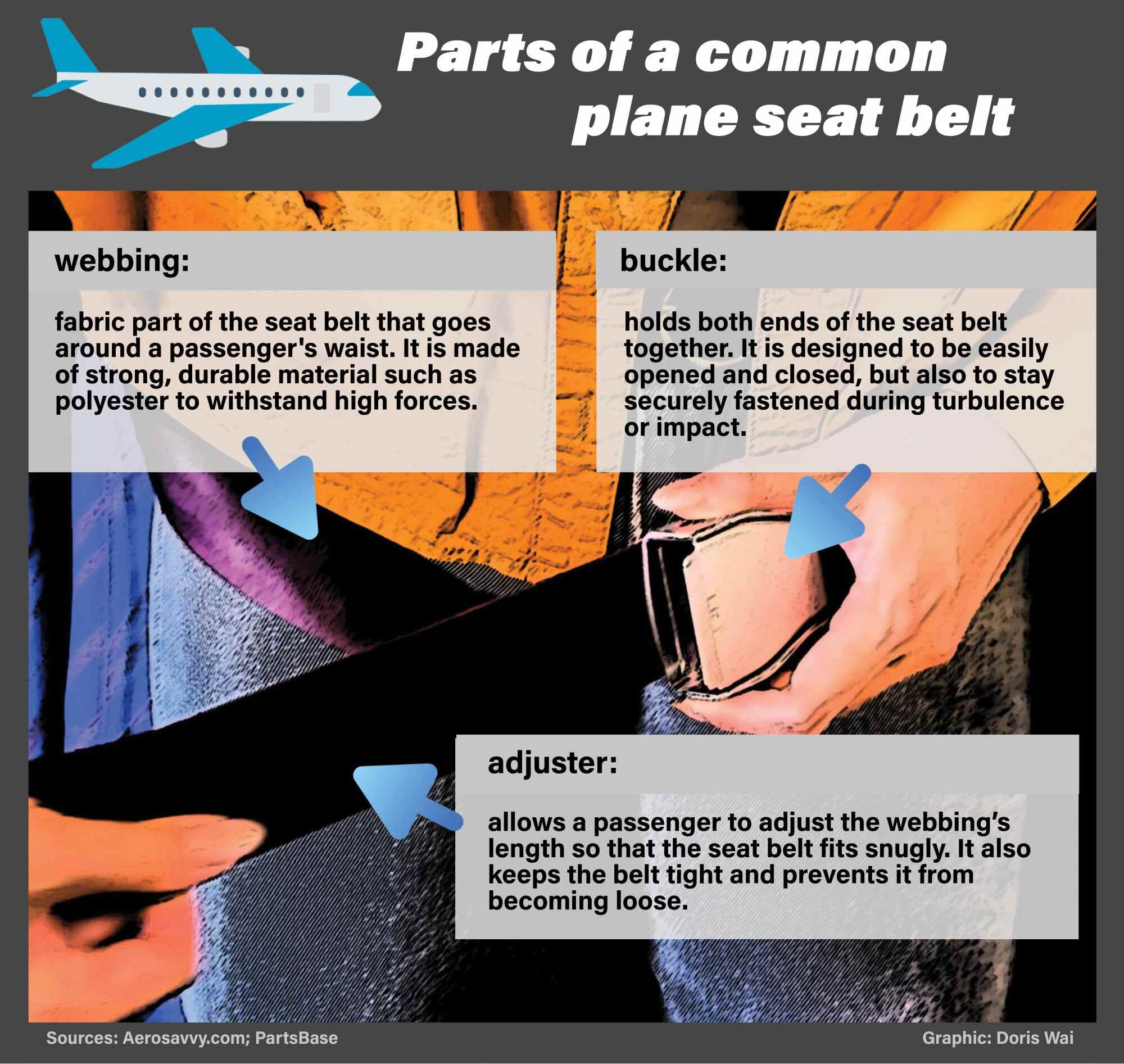
The aeroplane seat belt buckle is designed to be immediately visible, quickly located and easily released by the passenger and rescuers. Whereas car seat belt releases (those red plastic buttons) are tucked between seats and can be operated only by pushing down on them with a finger (usually a thumb or forefinger), airline seat belt releases are front and centre on the passenger’s lap. They can be operated with any part of the hand.
First responders to car crashes often cut the seat belts rather than wasting precious seconds hunting for and operating the push-button releases.
Imagine a row of four or five aeroplane seats, if the seat belt release were akin to those in a car, is your push button on the left or right of your seat? It is much easier to figure out what’s what if the release is on the passenger’s lap. So airline seat belts are designed the way they are for good reasons.
And while there’s an argument to be made that life would be simpler if all seat belts, whether in a car or an aeroplane, worked the same way, that will never happen.
So listen to the safety demo, and before taking off and landing, release and reinsert that buckle a couple of times.
Even experienced pilots perform “memory muscle” exercises like that in the cockpit – touching controls they might need in an emergency.
Wherever you sit on the plane, airline safety is no laughing matter.
What are some other safety features in aeroplanes?
Another safety feature found in most aeroplane seats is that they are designed not to catch fire. They are all made of fire-resistant materials.
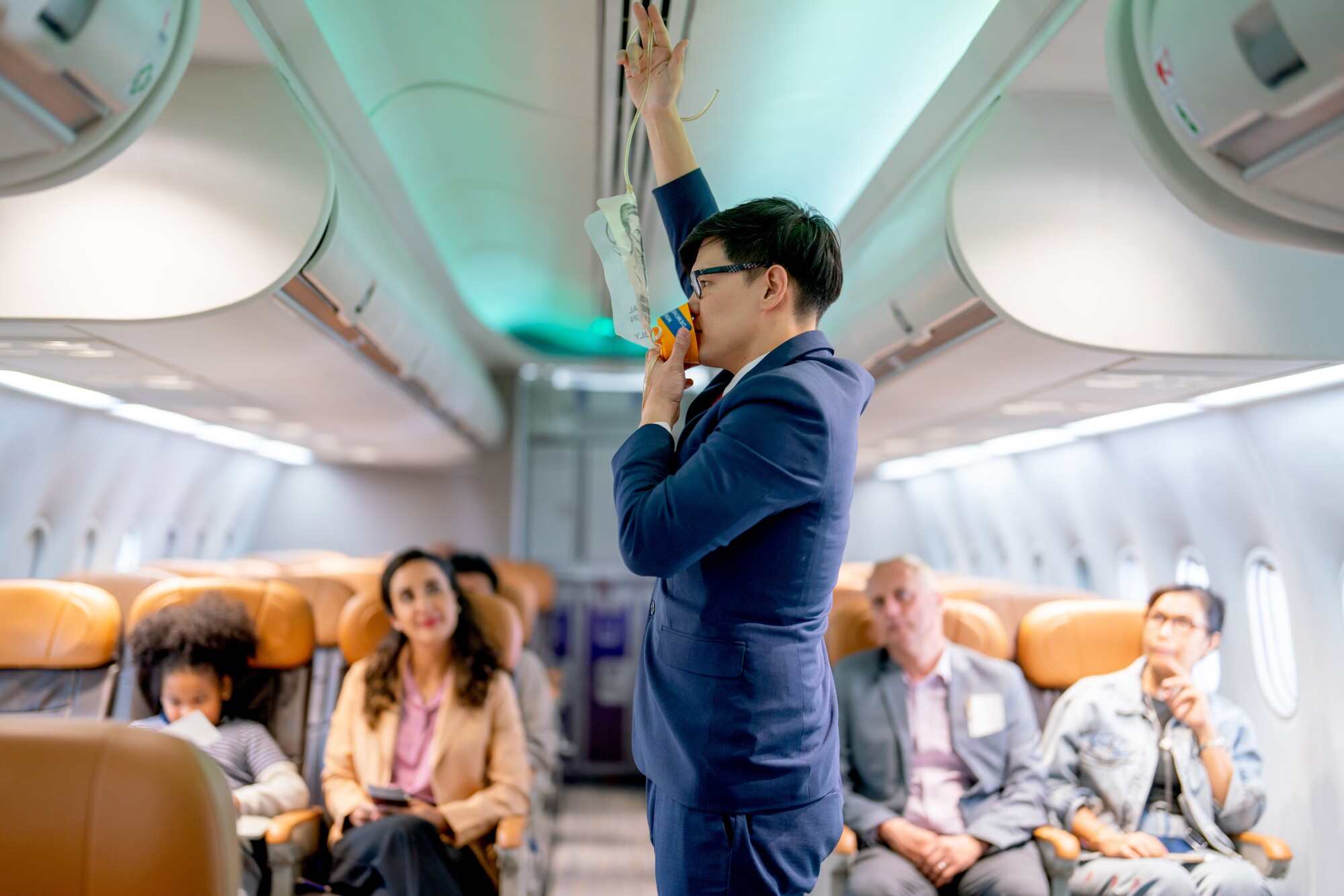
Oxygen masks are a very important safety feature on aeroplanes.
If the air pressure in the plane gets too low, these masks will drop down so passengers and crew can breathe properly.
Emergency lighting systems guide passengers to various exit points during emergency evacuations. These lights illuminate the aisles and highlight exit doors, making it easier for passengers to evacuate.
In such instances, the evacuation slides will also be released. These inflatable devices allow passengers to exit the aircraft quickly and safely.
They can be used on land and in water. Some slides are also designed to function as rafts.
