In a captivating fusion of ancient traditions and modern expression, a performance featuring a Taoist funeral ceremony emerges as a vibrant spectacle, blending cultural rituals with the fluidity of contemporary dance.
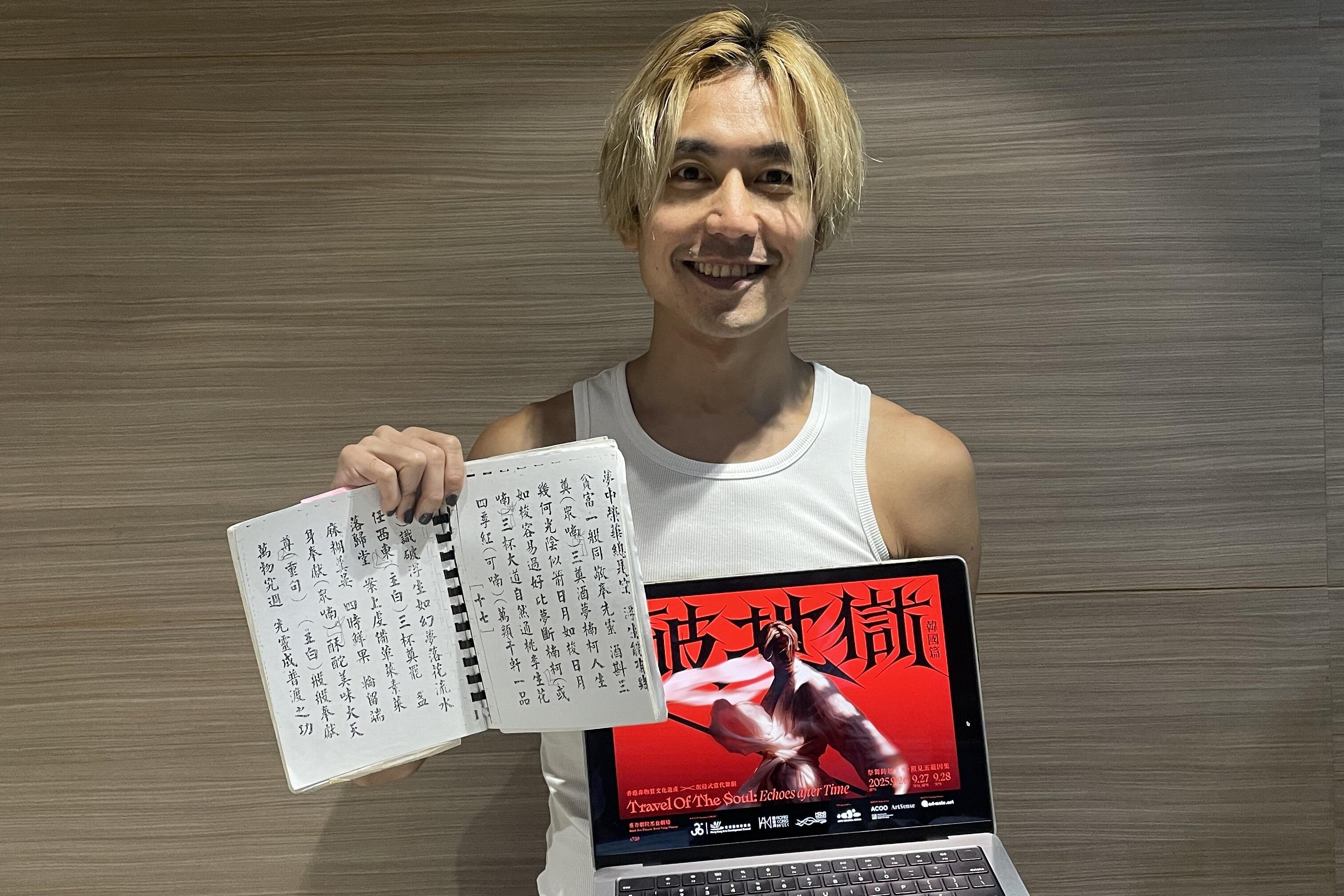
Central to this experience is “hell door breaking,” a dynamic ritual brought to life by the innovative dancer and choreographer Terry Tsang Luk-san.
Through a unique combination of chanting, spinning, and exhilarating movements around the fire, this ceremony invites participants to engage in a profound exploration of life, death and rebirth.
Five years ago, Tsang began researching the local Taoist ritual of “hell door breaking,” performed when someone passes away. This ritual is believed to help guide the soul to reincarnation more swiftly.
For Tsang, who was born in Guangzhou and raised in Hong Kong, it is a reflection of “where I come from”.
“When I think of the bond with my family, the memories that come to mind are those of traditional sounds and the music of rituals ... I want to explore what that memory and scents are all about,” said Tsang, who is in his early thirties.
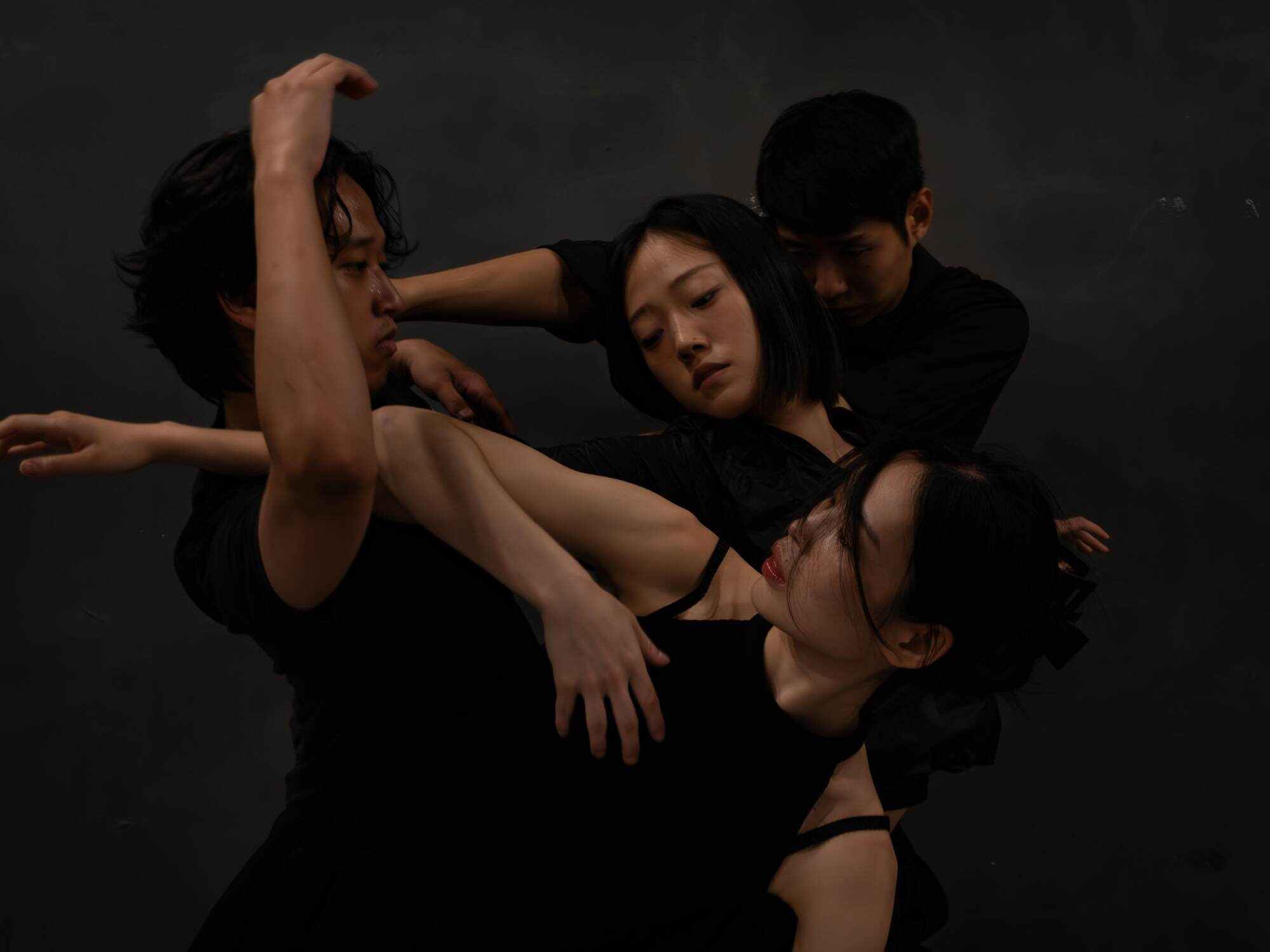
Over the past few years, Tsang has been revising and reimagining “hell door breaking” in his choreography. Next month, he will present the fourth version of “Travel of the Soul: Echoes after Time” at the Hong Kong Arts Development Council’s 30th Anniversary Gala Festival.
This time, the piece will be reinterpreted by four Korean dancers who will blend traditional and contemporary styles.
The same show will also be performed in October at the Arko Arts Theatre in Seoul.
Tsang strongly believes in blending local traditions into contemporary dance.
“The history of modern dance originates from abroad, so blending [in local elements] allows people to understand local culture,” he said. “I am very eager to explore whether we can find a new realm through our Hong Kong traditions, a dance that belongs to us in Hong Kong.”
Dance moves and dreams
Tsang’s journey with dance began in secondary school. One of his earliest memories of dance occurred during mandatory physical expression classes, where he learned to use his body to convey concepts such as rocks or water.
Crafting a 10-minute performance with his classmates was no easy feat, but it was here that Tsang first explored the use of body, voice, expressions and instruments for artistic expression.
Though he did not realise it at the time, this was his first exposure to the style of performance known as modern dance.
Driven by a desire to excel, he practised every day whenever he had free time.
“I remember that in secondary school, we couldn’t always book the dance studio every day, so we often practised dancing on the school playground,” he recalled.
Eventually, Tsang began taking hip-hop classes and attended the Hong Kong Academy for Performing Arts as a university student, officially embarking on his journey as a professional dancer.
After years of honing his craft, Tsang was crowned the Young Artist Winner for Dance at the 18th Hong Kong Arts Development Awards last year.
This accolade opened the door to opportunities for Tsang, who is now a freelance dancer.
“If it weren’t for the Hong Kong Arts Development Council’s support, many artists, including myself, would no longer be able to pursue their careers,” he said.
Aside from the council’s support, Tsang also credits his dance teachers with shaping his journey, especially Bonni Chan, the co-artistic director of Theatre du Pif. Tsang met her three years ago when he joined her lab, and he admires her approach to art and teaching.
“Her entire being, her cultivation and her perspective on artistic work have continually influenced me, not just in terms of the acting techniques or drama skills she shared,” he said.
Artistry in every step
For Tsang, imagination is key to his approach to dance; his creativity shapes his body movements and connection with space.
For example, if he were to convey water, he would adjust his body quality to imagine dancing in a river.
“I love to use my imagination to change the quality of my movements. I also believe that having an imagination can change the world,” Tsang said.
Looking ahead, Tsang hopes to execute an all-female hell door breaking performance, challenging traditional gender roles, as women are often deemed unlucky or unfit to perform the ritual.
Tsang’s final message to students is to be true to themselves: to open their five senses and listen to their hearts.
He hopes that through exposure to the performing arts, students will learn what it truly means to live and feel.
“The current significance of art lies in its ability to bring joy to people or provide therapeutic benefits. It serves as a positive influence and offers the audience more space for reflection,” Tsang added.