




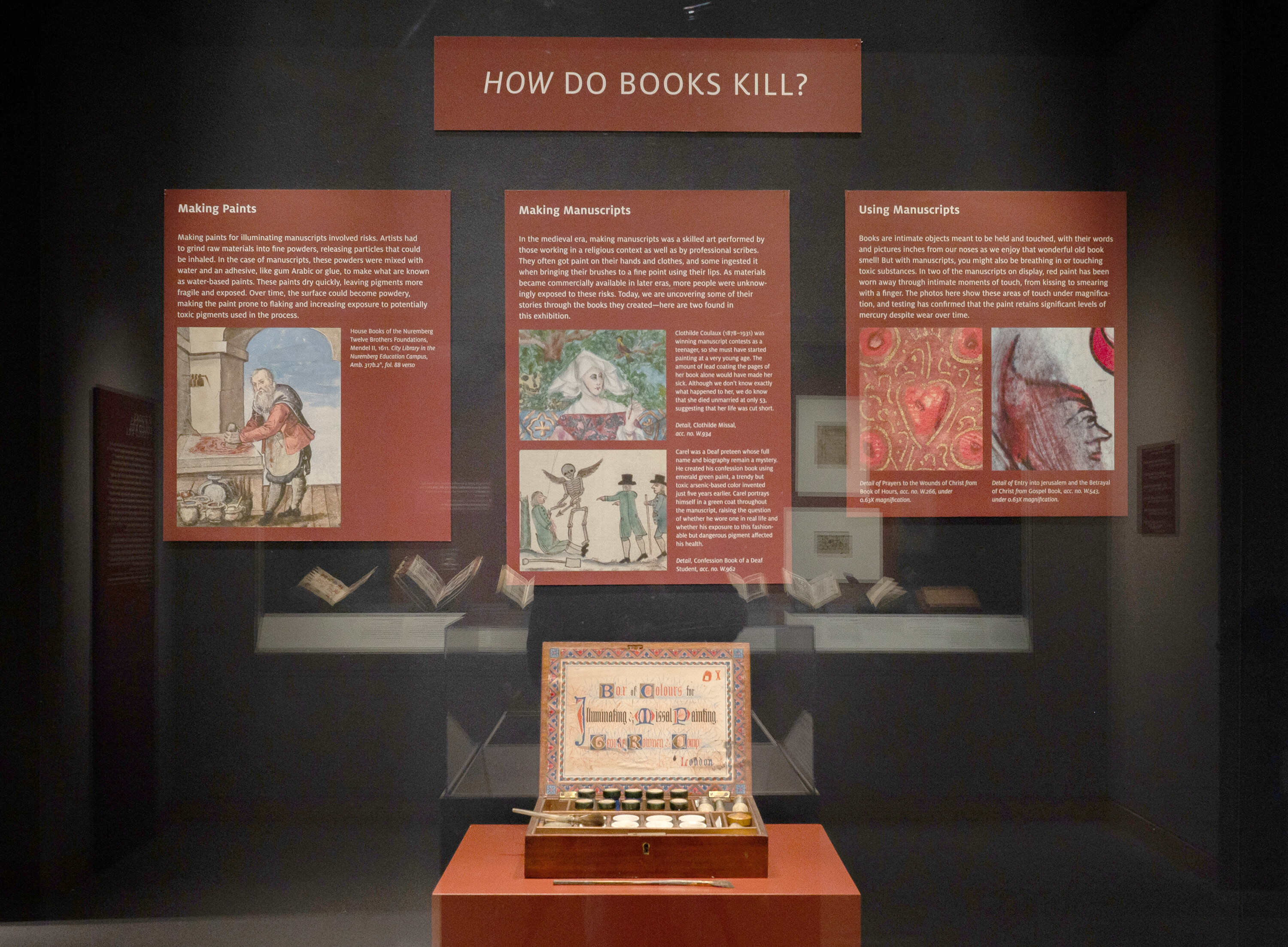
Could knowledge be … dangerous? An exhibition at the Walters Art Museum in the city of Baltimore, Maryland, United States, is exploring books that could be deadly. For millennia, the toxic pigments mercury, arsenic, lead and a bright-yellow mineral known as “orpiment” were used to illustrate and bind books around the world.
These metals and minerals produced jewel-like, dazzling colours – a brilliant green that could outshine emeralds, a reddish-orange reminiscent of sunsets and a yellow so bright it could pass for gold. The lead was the basis for a colour known as “lead white”, an opaque, silky pigment that retained its bright hue for literal centuries.
Some of these tints were so enchanting that death could be seen as almost worth the risk. They remained in circulation for hundreds of years after their dangers were documented.
5 books about Hong Kong to help you understand our home city’s past and present
For instance, the colour “Paris green” – introduced in 1814 and a favourite of artists such as Claude Monet, Vincent van Gogh and Mary Cassatt – contained arsenic.
“It was completely different from all the other green pigments, and people went crazy for it,” said Annette Ortiz Miranda, a conservation scientist for the museum who co-curated the exhibit with Walters staffers Lynley Anne Herbert and Abigail Quandt.
“It was used in everything: clothes, wallpaper, bookbinding, pigment and make-up. By the mid-1800s, they knew it was making people ill. But it wasn’t fully banned until the 1960s.”
Although poisonous minerals have been found in works dating back thousands of years to ancient Egypt, Ortiz Miranda noted that harmful chemicals are not only found in artworks created in the past. Some paintings made today could also be accompanied by a warning label depicting a skull and crossbones.
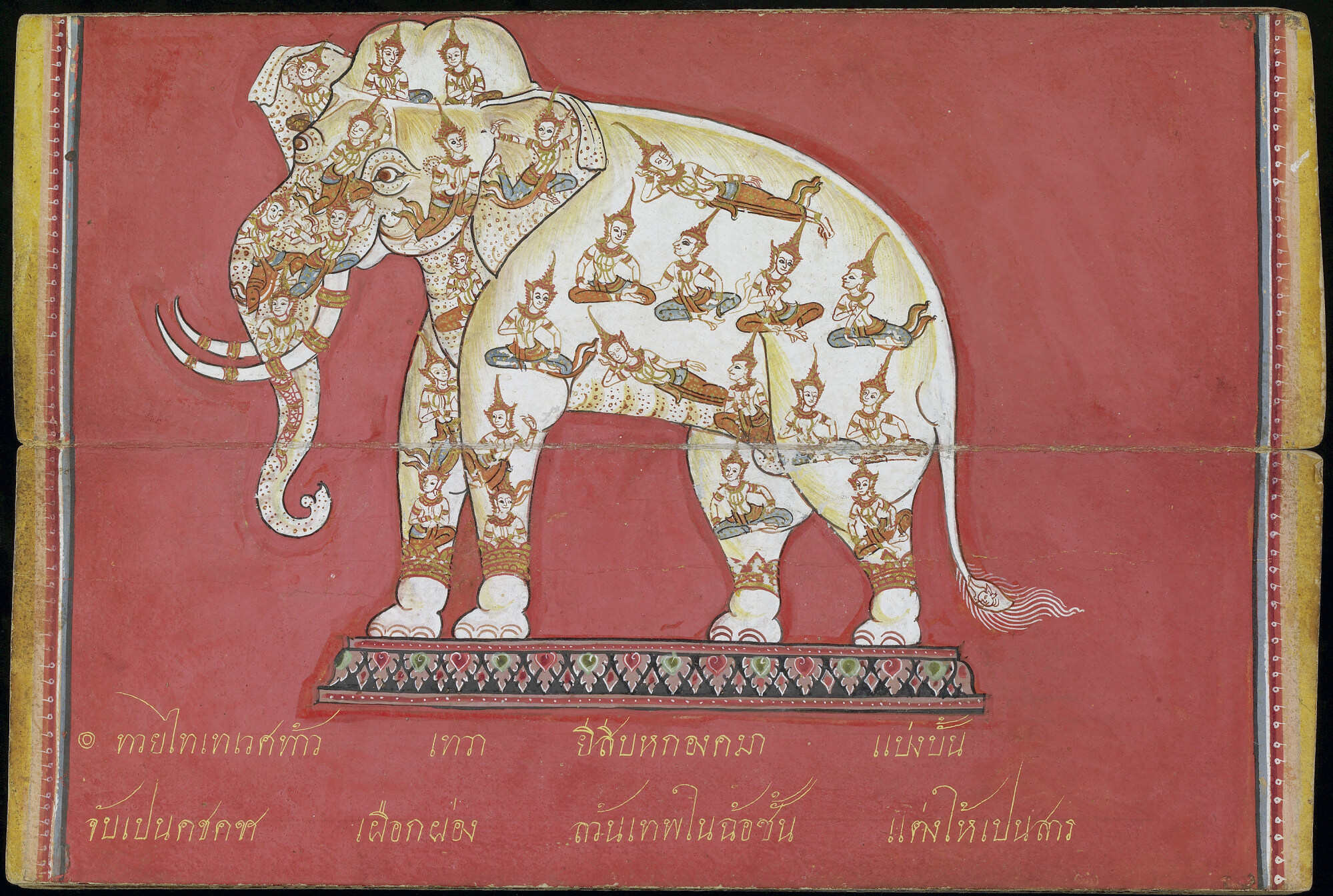
For instance, the spray paint used for graffiti contains volatile organic compounds and heavy metals that can cause respiratory problems and neurological damage if inhaled or absorbed through the skin.
“That is why you see graffiti artists wearing masks with filters,” Ortiz Miranda said. “They are protecting themselves. They still use toxic chemicals but in a more responsible way.”
The exhibit consists of two dozen objects from the Walters collection, ranging from the 11th through the 20th centuries, including books, manuscripts, parchment leaves and minerals. There is a section on the methods ancient people used to protect their precious volumes from the critters that munched on them, including real-life “bookworms” or book lice.
Some remedies worked fairly well, such as leaves from the citronella plant, which are still used today to repel mosquitoes. Others were perhaps less effective, including an inscription intended to summon the protective plant’s “spirit” but that contained no actual repellent.
Thirsty – cafe, bookshop, event space – is a refreshing spot in Hong Kong
“It is notable that this manuscript has no traces of insect damage,” reads the wall text accompanying a 16th-century illustrated Islamic book by the Persian poet Sa’di. “Perhaps those bookworms really could read!”
The inspiration for the exhibit came when the Walters acquired a small missal created more than a century earlier by Clothilde Coulaux, a young Frenchwoman living in German-occupied Alsace. The 174-page book of illustrations is tiny – not quite 5 inches tall and 3.5 inches wide (12.7cm by 8.9cm). But it was surprisingly heavy.
“The parchment used in the 20th century was of a much lower quality than parchment from the medieval era,” Ortiz Miranda said. “We examined the book and found that every page was coated on both sides with lead white to give it a nice smooth surface that made it easier for her to illustrate.”
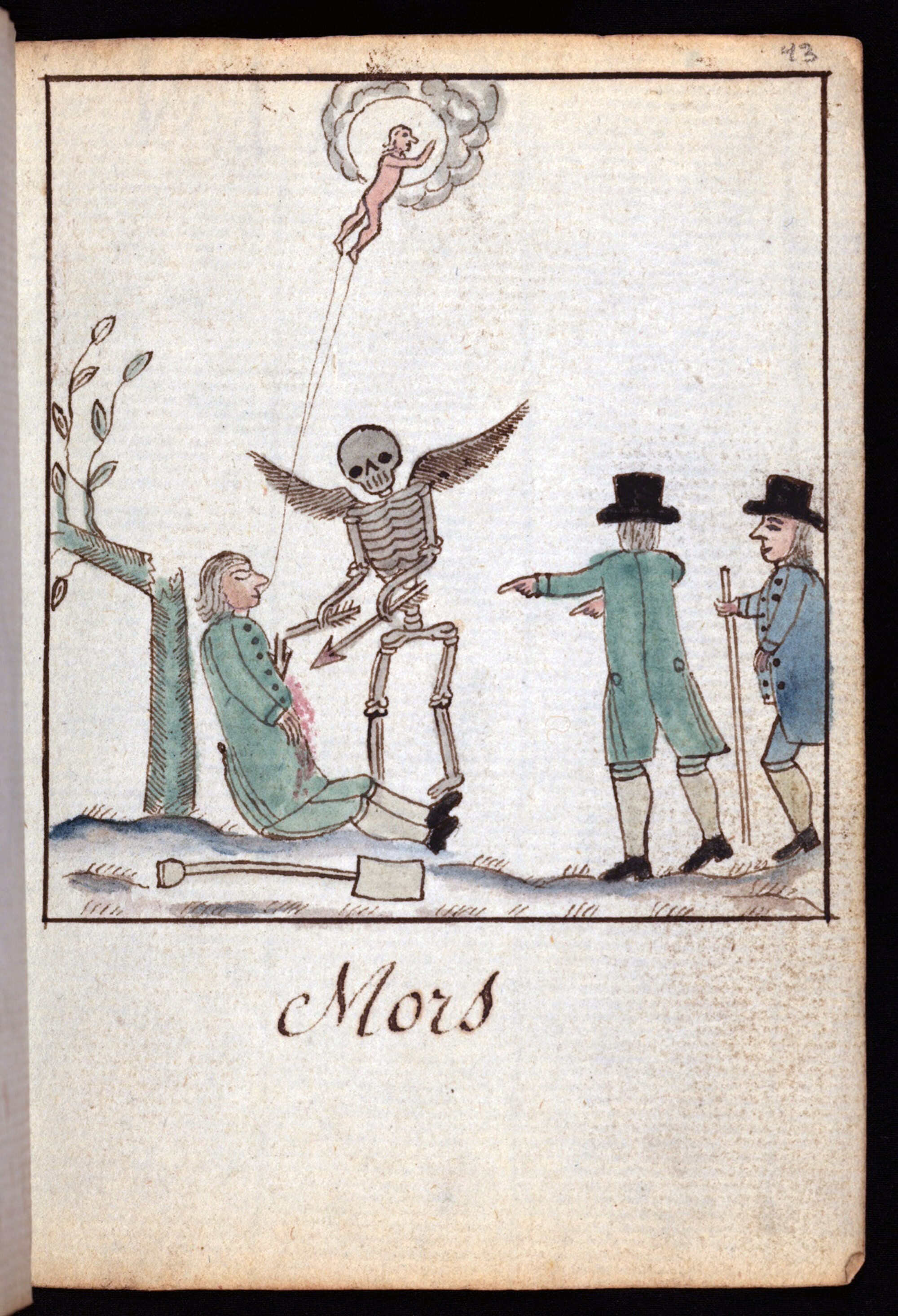
Then, the Walters acquired a 1788 prayer book from either Germany or the United States. It included evidence of poisonous chemicals – in this case, lead arsenate, which was used as a pesticide to preserve the book but could have harmed the humans who owned it.
Most deadly chemicals are stealth killers, accumulating in the body invisibly and gradually.
For example, a 15th-century Gospel book from Turkey is opened to a page showing an illustration of Jesus Christ beset by his enemies – Roman centurions and the disciples who betrayed him.
As was customary at the time, indignant readers expressed their anger at Christ’s assailants by using their fingernails to scratch off the heads and faces in the illustrations. As they did, they unknowingly rubbed cinnabar, an extremely toxic mineral with a high mercury content, onto their hands.
A 15th-century Flemish book showed signs that mercury-laced reddish paint meant to depict Christ’s wounds on the cross had worn away after the page was kissed repeatedly by its devout owner.
Perhaps even more at risk were the monks and nuns who created these exquisitely beautiful illuminated manuscripts. It was work that required long hours at a workbench, heads bent over wet pages, giving new meaning to the phrase “burying their heads in a book”.
