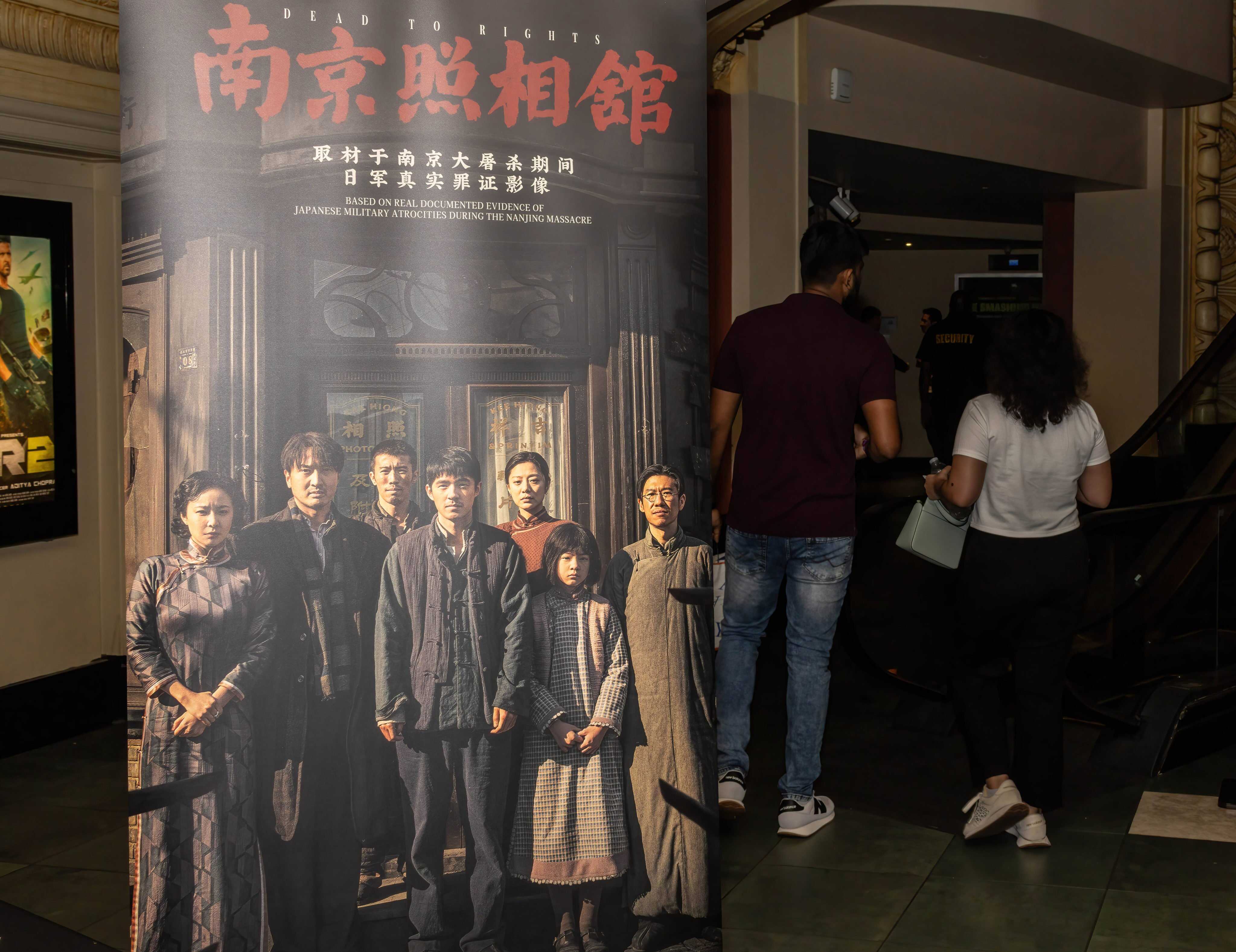
One of China’s latest hit blockbusters depicts perhaps Japan’s worst war crime: the 1937 Nanjing massacre. The film director has said it is part of an “invisible battle” to bring greater international recognition to the extent of China’s suffering in World War II.
Dead to Rights is based on the true story of a group of civilians who took refuge in a photo studio amid the chaos of war and bravely risked their lives to expose the crimes committed by the Imperial Japanese Army.
The film focuses on the photo studio’s young apprentice who found and developed evidence of the atrocities in secret, which would later be used in a war-crimes tribunal.
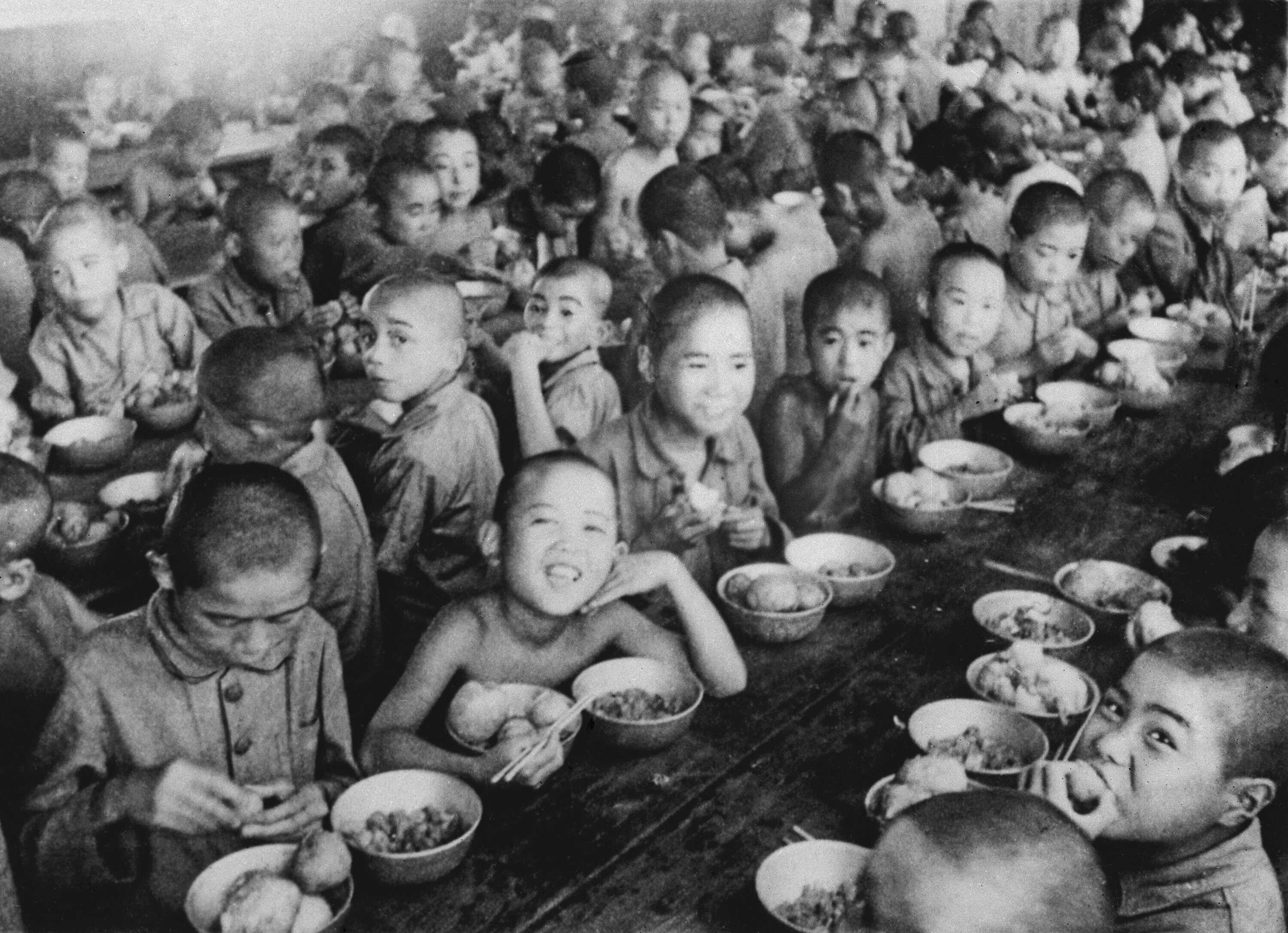
The mass assault and murder of civilians in the city formerly romanised as Nanking – the capital of China at the time – is widely recognised as one of the worst crimes committed by the Japanese during its occupation of China, which began in 1931.
There is no official death toll, but the International Military Tribunal for the Far East estimates more than 200,000 people were killed. China’s own estimates put the number at over 300,000 people.
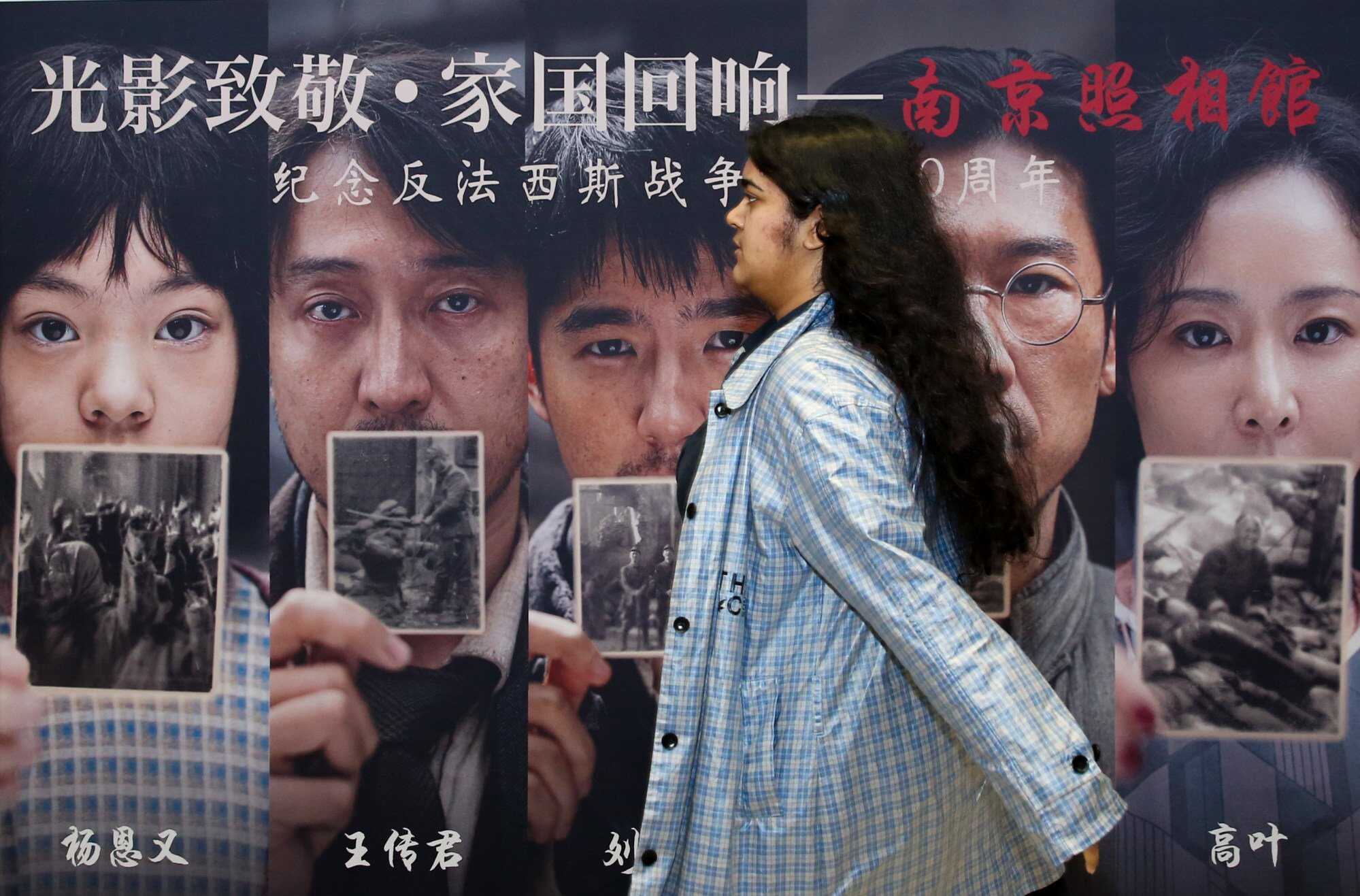
Dead to Rights has been received well at home, with many calling it a powerful tribute to national suffering and resilience during the war. Released last month, the film has become a major box office hit, grossing nearly 2.2 billion yuan (US$305 million) as of Sunday, according to Maoyan, a Chinese ticketing and data platform.
Chinese supporters say Dead to Rights should be released in Japan. The film is already set to screen in Australia, New Zealand, the United States, Canada, Malaysia and Singapore.
In a widely circulated video, the film’s director Shen Ao described the production as part of an “invisible” battle – “a war of public opinion, propaganda and culture”.
Some viewers have praised the film for avoiding a portrayal of the Japanese as clichéd villains.
“The film avoids simplistic portrayals of suffering and one-dimensional emotional outbursts, warning against creating detached, hollow narratives,” Cheng Bo, a professor at Shanghai University’s film academy, wrote in an article first published in the state-owned newspaper Wen Wei Po.
“More importantly, it does not glamorise the aggressors for the sake of ‘novelty’ or ‘depth’. Even when portraying distinct individuals among the enemy, it refuses to place them on equal footing with the Chinese people who suffered and resisted, avoiding a hypocritical balance,” he wrote.
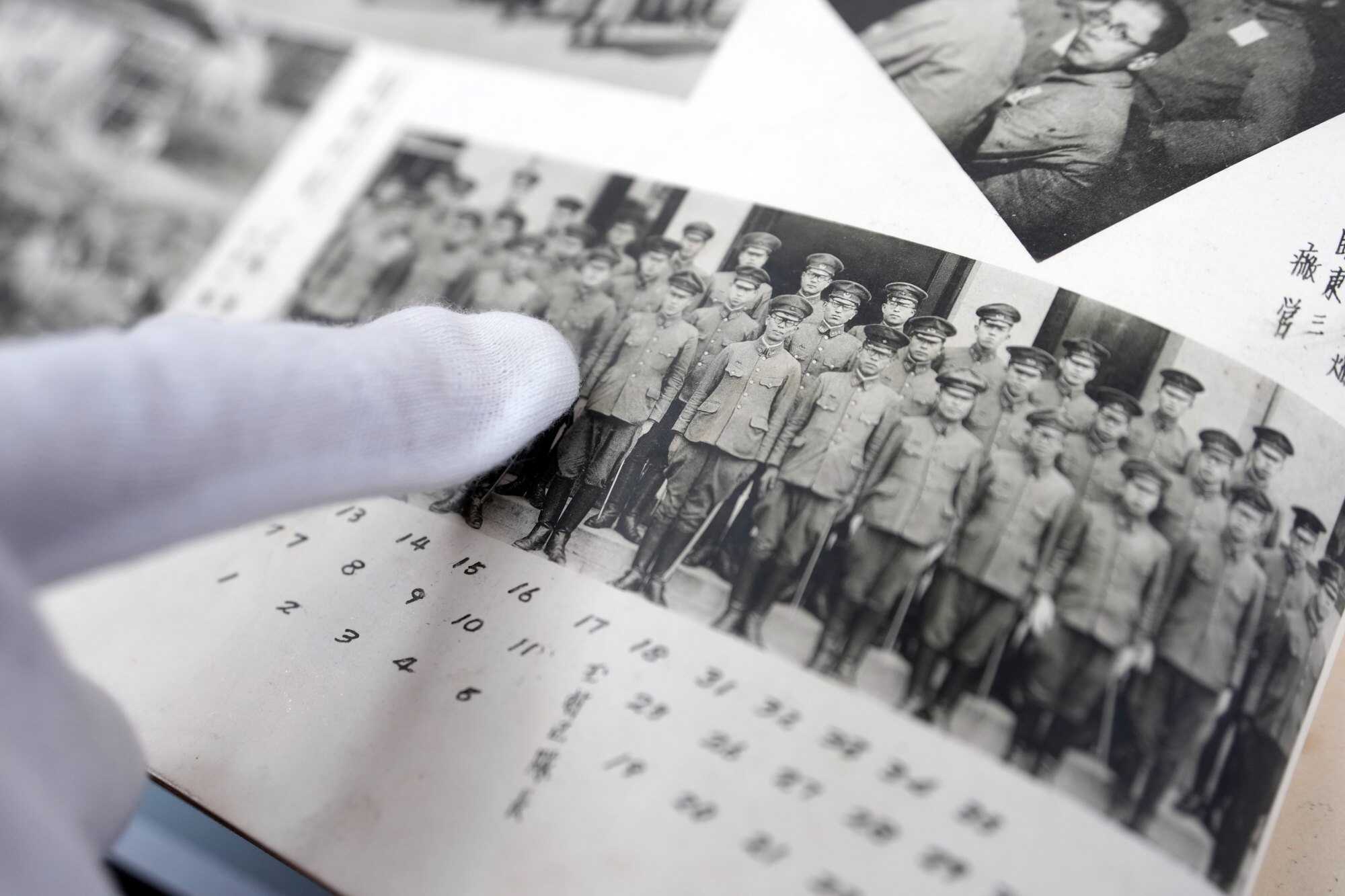
The film is part of a series depicting China’s 14-year war of resistance against Japan. One of these films, 731, is set to be released next month.
It will cover the Manchu Detachment 731, also known as the Kamo Detachment or the Ishii Unit, a secret research facility operated by the Imperial Japanese Army between 1936 and 1945 that was responsible for large-scale biological and chemical warfare research, as well as lethal human experimentation.
There is a growing sentiment in China that the country’s pivotal role in the war has been under-recognised. Many believe that the Nanjing massacre and other wartime suffering in East Asia remain less known than the Holocaust or the atomic bombings of Hiroshima and Nagasaki.
The American embassy in China posted on social media on Wednesday – ahead of the Hiroshima bombing anniversary – that “the US and Japan ended a devastating war in the Pacific region 80 years ago”, sparking a fierce backlash online.
Xie Feng, China’s ambassador to the US, said ahead of the film’s release: “The Chinese people, through unyielding will, heroic struggle, and immense sacrifice, secured victory in the war of resistance against Japanese aggression and made a historic contribution to the global victory in the war against fascism.”