Hong Kong’s current social-distancing restrictions have put a pause on some of our favourite pastimes, such as playing sports, going to the cinema or singing karaoke.
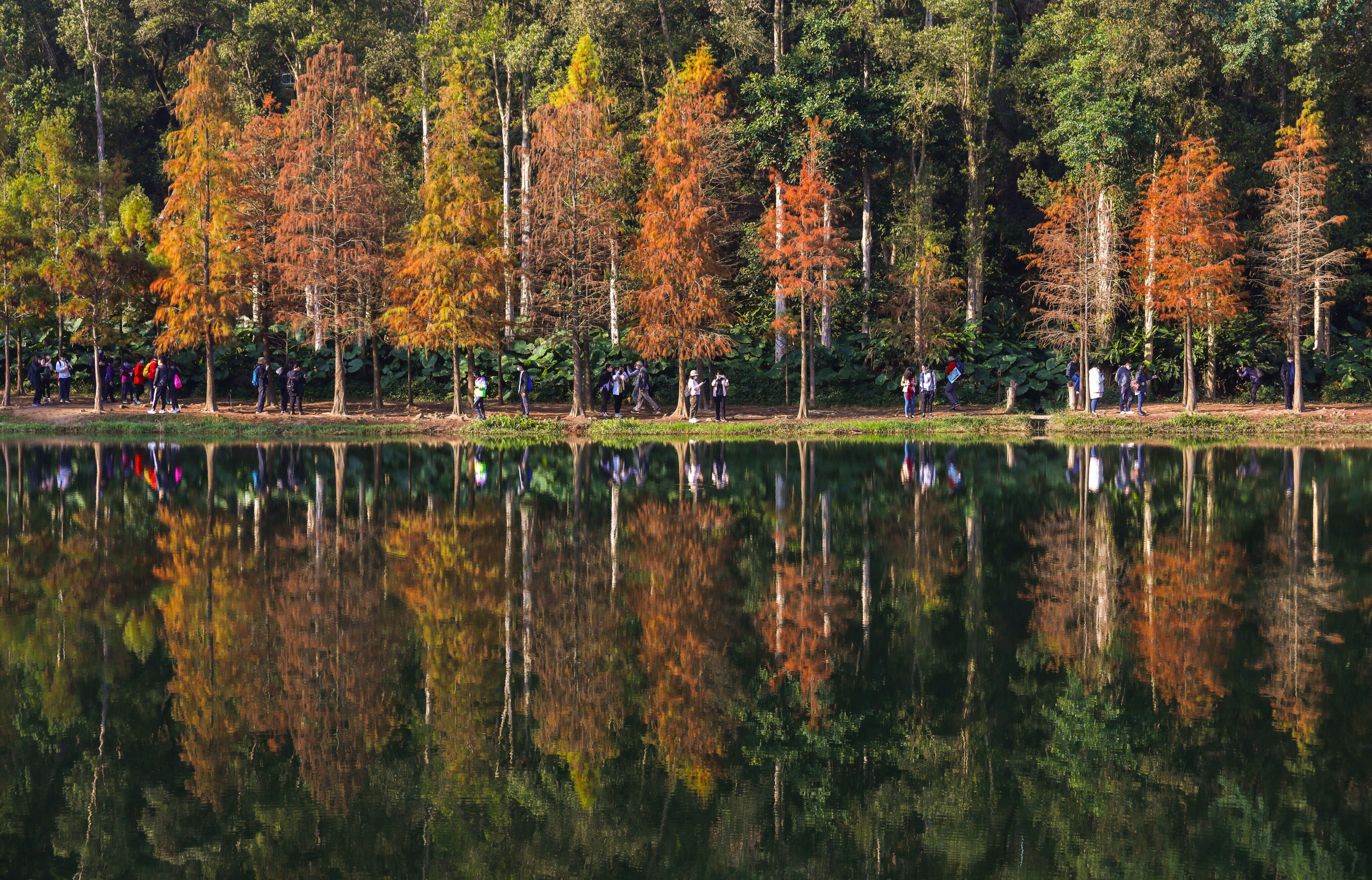
Many have turned to the city’s hills and country parks for some relaxation while also keeping themselves healthy. Hiking and camping have become quite trendy for residents of all ages.
While the natural world offers so much to explore – mountains, waterfalls, vistas and more – it is important to remember that we must treasure and protect the environment. Here are some Cantonese phrases about the outdoors.
Hong Kong’s 1st female street workout coach says the sport is for all
1. “Explode wood”: 爆林 baau3 lam4 (bao-lum)
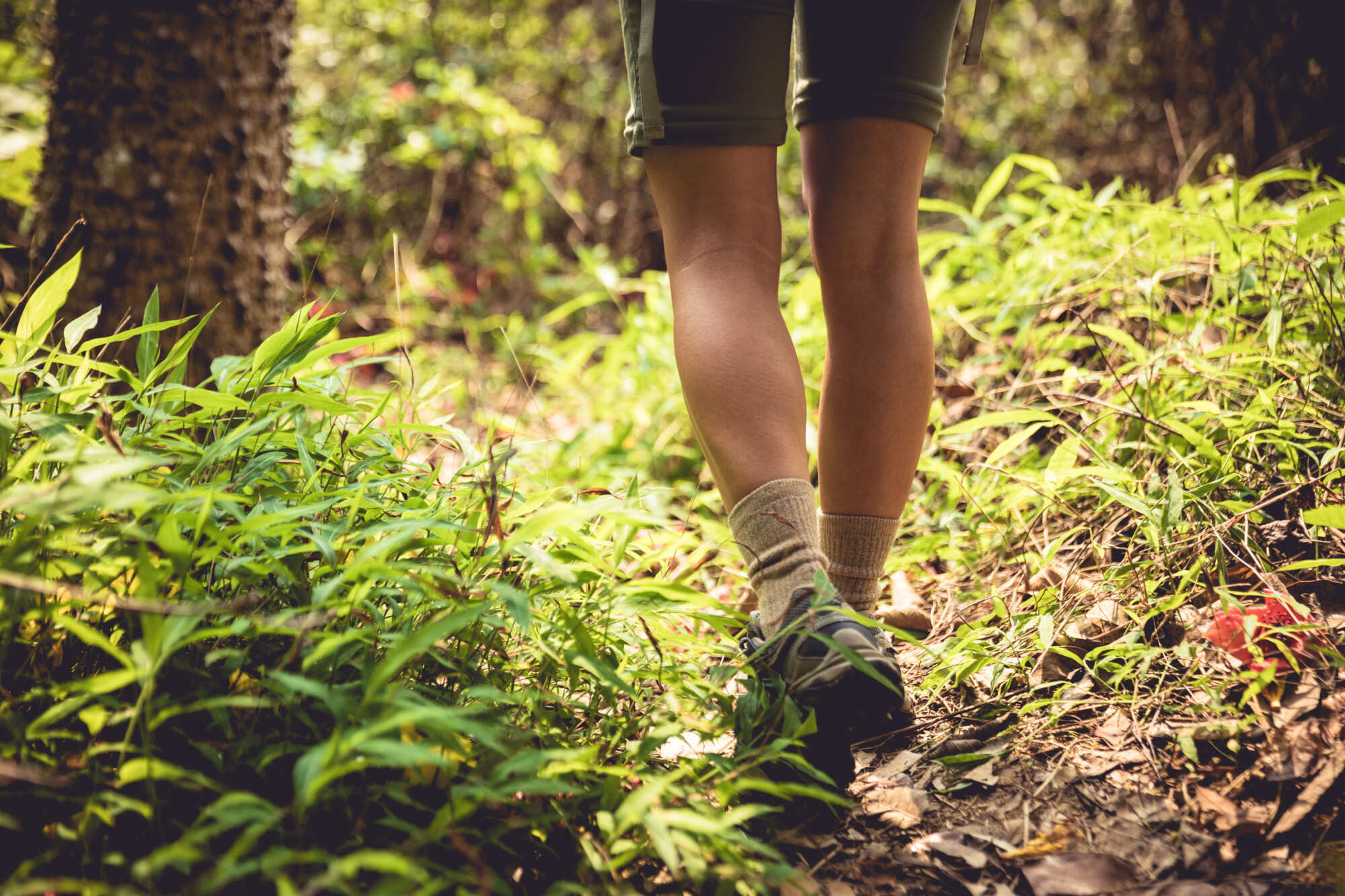
Meaning: to find your own path through a forest, instead of following an existing path or trail. This type of hiking requires you to force your way through bushes and trees, sometimes using tools to cut through the foliage. It can be dangerous, and environmental groups say it can damage the natural environment.
In English: to bushwhack; to do off-trail hiking
Example: It can be dangerous to bao-lum because you risk getting lost or injured.
2. “Mountain girl”: 山系女孩 saan1 hai6 neoi5 haai4 (sahn-hai-nui-hai)
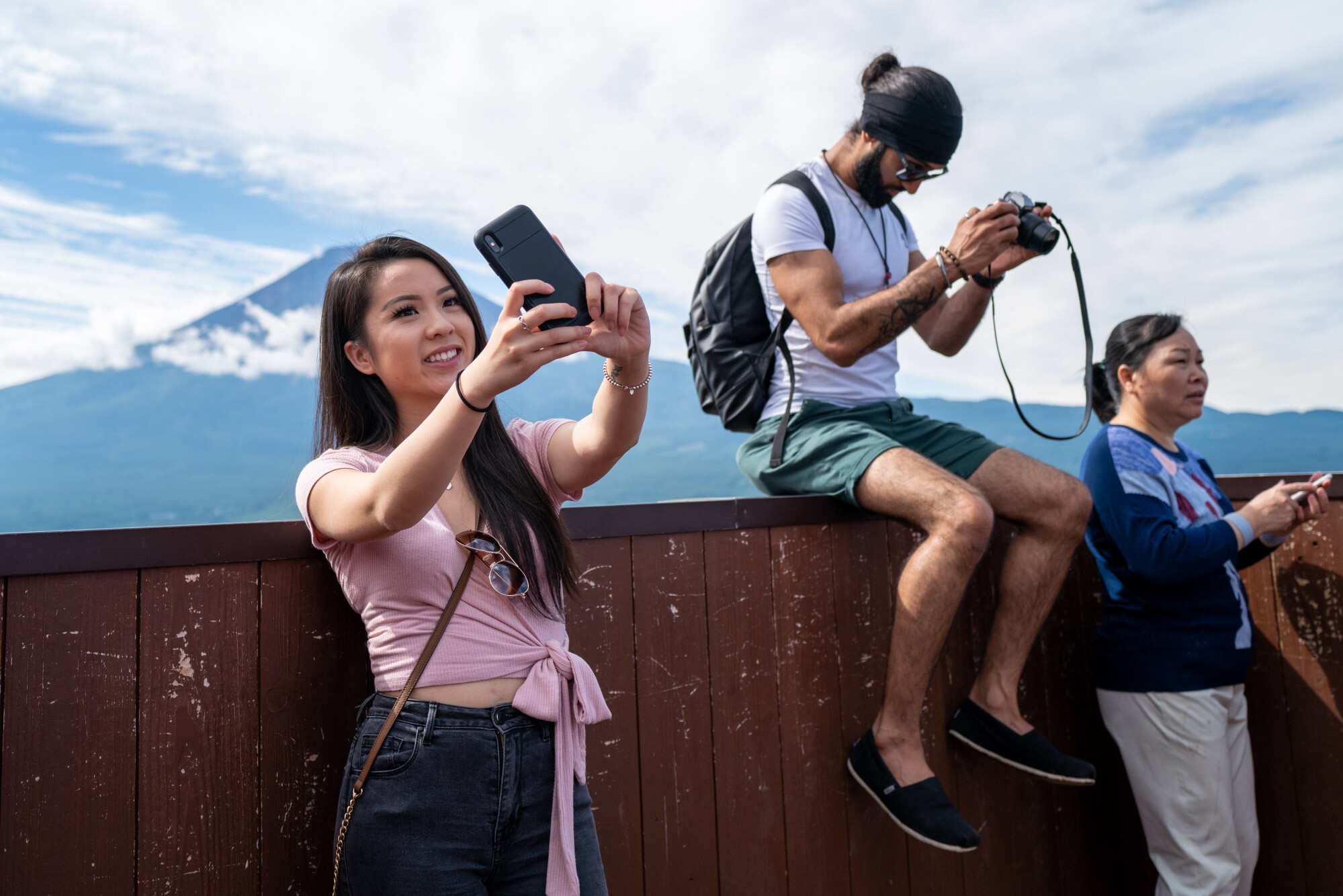
Meaning: refers to women who enjoy doing outdoor activities while looking good. This is the Cantonese version of the Japanese term, yama girl. While the slang is used to describe girls, wanting to look good while hiking is not limited to one gender.
In English: yama girl; outdoorsy and fashionable
Example: Sandy is definitely a sahn-hai-nui-hai – she came to the hike wearing trendy Nike apparel and colourful shoes.
The teens who raised HK$400k over 100km – and all for charity
3. “With sunlight play games”: 同陽光玩遊戲 tung4 joeng4 gwong1 waan2 jau4 hei3 (tong-yerng-gwong-wahn-yow-hey)
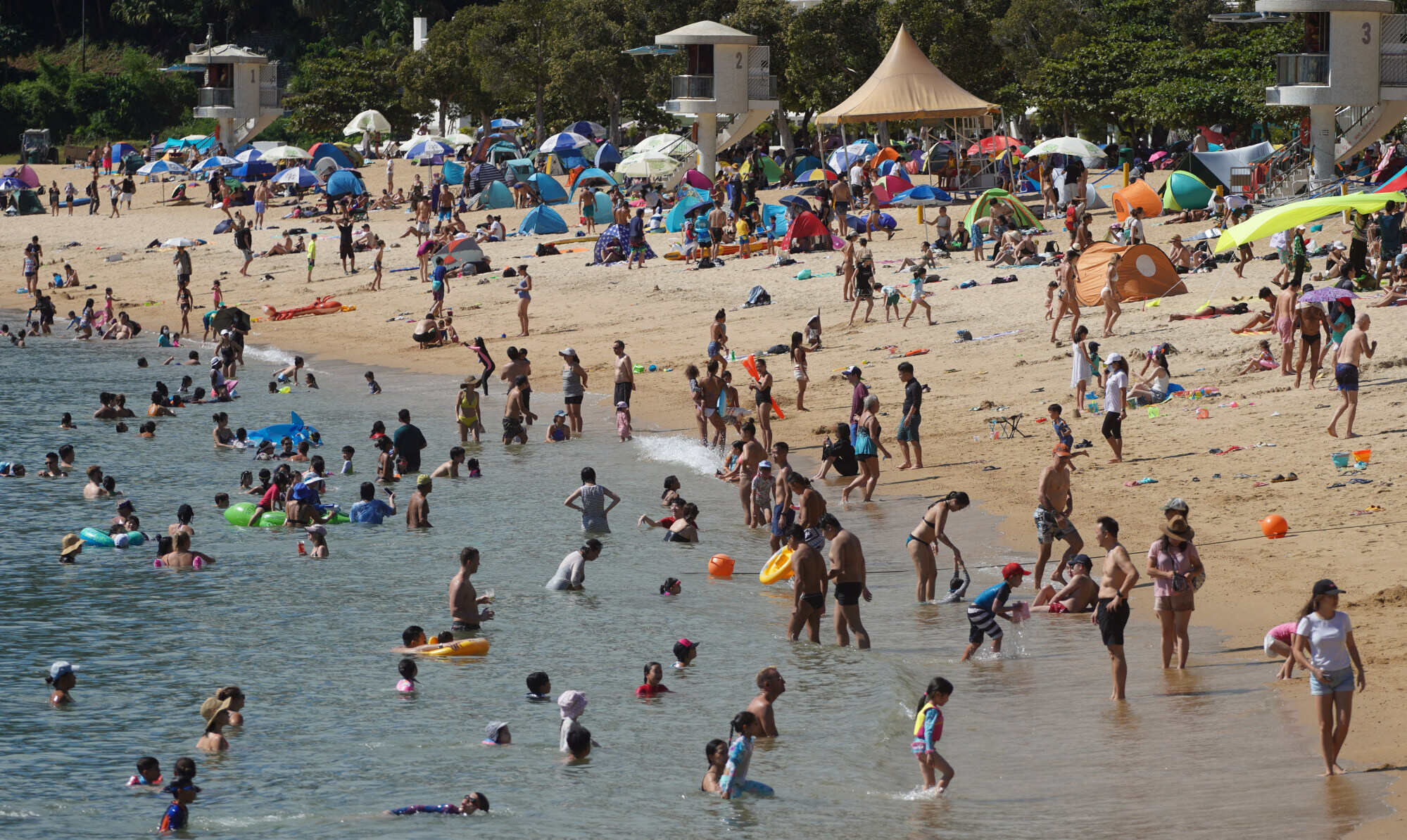
Meaning: to spend time outdoors when the sun is out. The phrase originated from a sunscreen commercial in 2001. It is widely used in Hong Kong when people talk about going to the beach, hiking or playing outside when it is sunny.
In English: to catch some sun
Example: Look outside! The sun is finally out, so we can go to the beach and tong-yerng-gwong-wahn-yow-hey.
4. “Mountain wild no trace”” 山野無痕 saan1 je5 mou4 han4 (sahn-yeah-mow-hen)
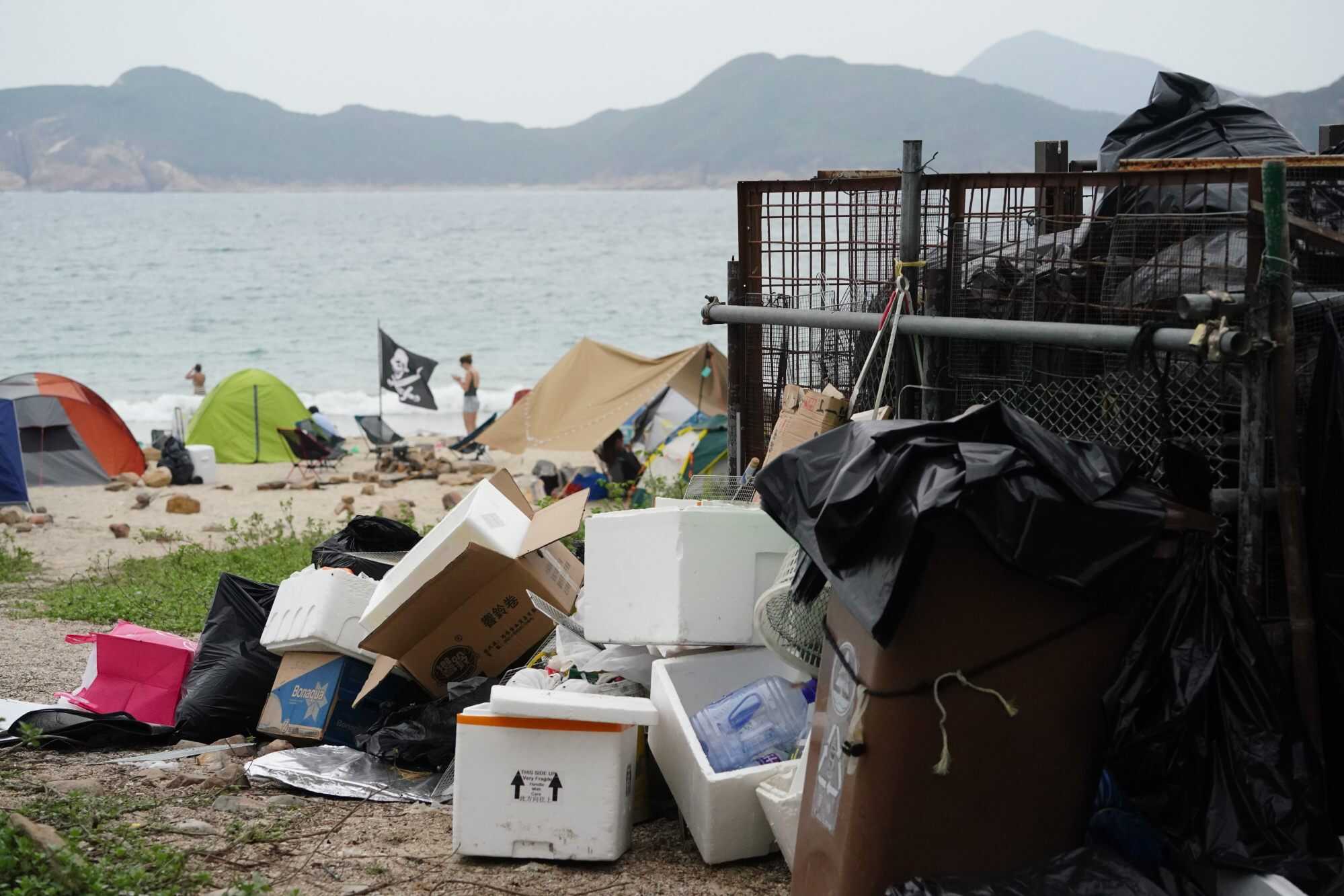
Meaning: to clean up after yourself and leave no trace of your visit when hiking or camping in nature. This is an important environmental concept about showing respect for the wilderness. It includes taking your litter home, leaving behind anything you find and only building a campfire if there is a good environment to do so.
In English: leave no trace
Example: Pick up all of the rubbish. Practising sahn-yeah-mow-hen is important if we want a clean natural environment to visit again.